Show summary Hide summary
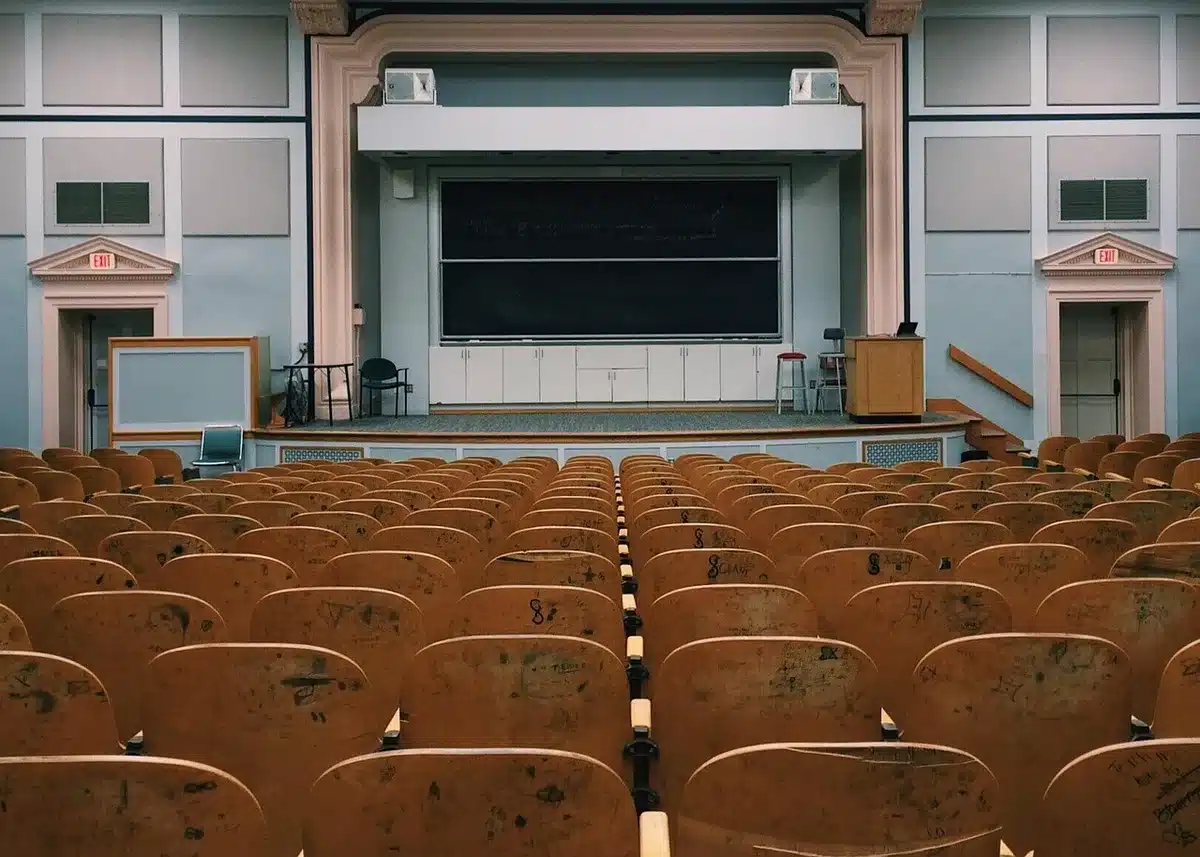
Cal Poly will convene planners, officials and industry leaders on Oct. 28 to debate the rising demand for data centers and what that growth could mean for the Central Coast. The event — the university’s second annual Real Estate Day, from noon to 5 p.m. at Chumash Auditorium — will put economic opportunities and environmental trade-offs at the center of the conversation.
Speakers and local voices
Panelists include San Luis Obispo County District 3 Supervisor Dawn Ortiz-Legg, San Luis Obispo Assistant City Manager Scott Collins, and developer Gilbert Bareng of Bareng Corporation. Cal Poly faculty and students will also participate, bringing campus research and design work into the public discussion.
OSU coach Eric Morris set for six-figure deal through 2032: awaits board sign-off
Data center development in focus: Cal Poly hosts discussion at real estate event
Bareng has emphasized the need for academic engagement with emerging technologies, arguing that students should be equipped to shape how data infrastructure is built and used. Cal Poly’s involvement reflects growing attention to how higher education can inform local planning and workforce development.
What the discussion will cover
- Economic impact: potential jobs, tax revenue and commercial development tied to new data facilities.
- Infrastructure demands: power supply, fiber connectivity and transportation needs.
- Environmental concerns: water consumption, energy use and local ecosystem effects.
- Land use and permitting: siting choices, zoning implications and community input.
- Design responses: strategies to integrate sustainability and educational uses into data center projects.
Those topics are already resonating across the region as developers explore whether the Central Coast can host larger computing facilities without straining scarce resources. Water availability and suitable land parcels are expected to be central flashpoints.
Students testing sustainable design
Thomas Fowler IV, a Cal Poly architecture professor, said his third-year studio has worked with Bareng over the past two years to imagine data centers that do more for their neighbors than merely occupy space. The studio examined approaches that could reduce environmental footprints while offering community benefits.

Design ideas the students explored include reusing process water for local agriculture, integrating on-site renewable energy, and creating transparent campus partnerships so facilities can function as learning sites rather than hidden “black boxes.”
“We’re looking for models where infrastructure supports both industry needs and local priorities,” Fowler said in an email to campus media, describing the studio’s goal of making data installations legible and useful to nearby communities.
Why this matters now
As demand for cloud services and computing capacity grows, jurisdictions must decide whether to welcome new facilities and under what conditions. The choices made locally will shape job markets, municipal budgets and natural resource use for years to come.
For residents and policymakers on the Central Coast, the immediate stakes include balancing economic development against water security and long-term sustainability. How local leaders respond could become a model for other mid-sized communities facing similar pressures.
The Real Estate Day forum offers a public moment to weigh those trade-offs, with technical experts, elected officials and students presenting perspectives that will inform policy conversations ahead.