Show summary Hide summary
A proposal unveiled this week would bring a new data center and an adjoining commercial corridor to Enid, promising infrastructure upgrades and economic activity while prompting questions about public costs and local impacts. City officials and business leaders are weighing a plan that could reshape parts of the city’s industrial landscape and accelerate broadband improvements.
What’s being pitched
The plan, presented to municipal staff and stakeholders, centers on a multi-tenant data center campus coupled with a mixed-use commercial corridor to serve employees and nearby neighborhoods. Proponents describe the project as a way to attract technology investment and modernize local fiber and power networks.
Christa Pike released from hospital after failed execution, attorneys say
Dolly Parton tribute drives Madonna Inn crowds: steakhouse unveils limited menu
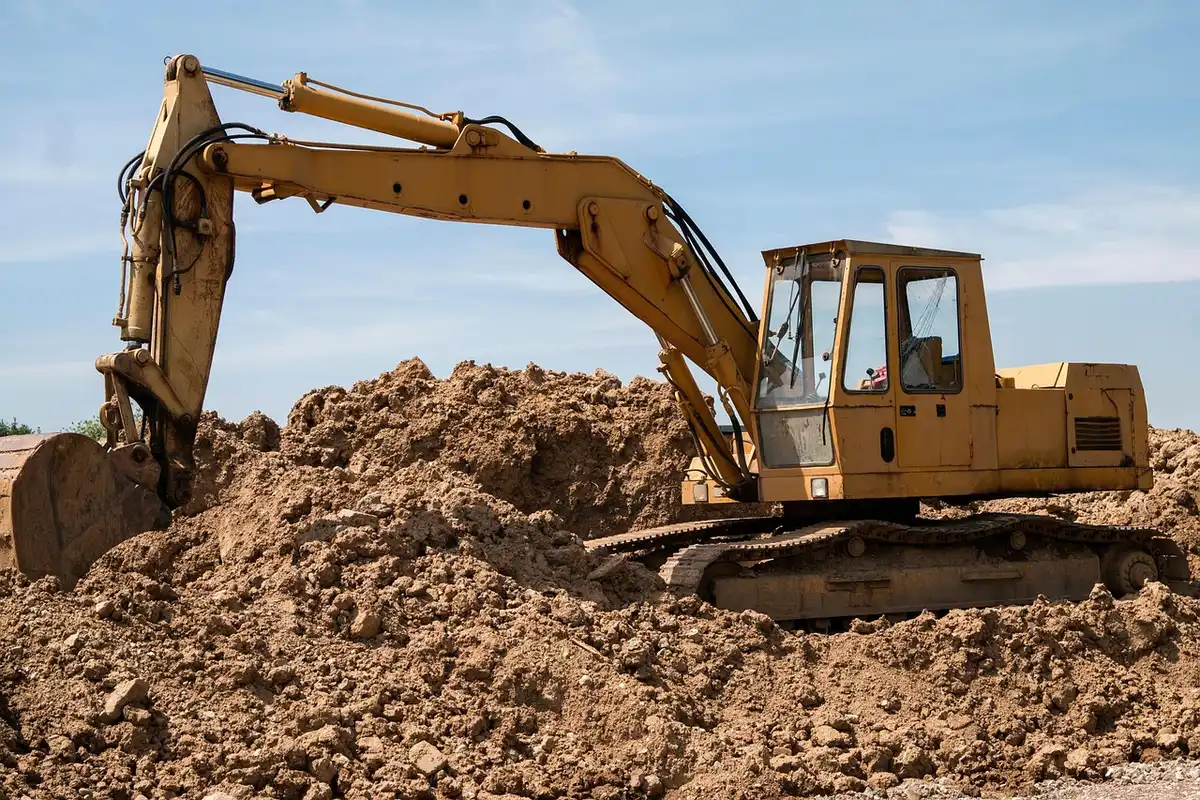
Key elements included in the presentation are:
- Construction of a secure, scalable data center complex designed for multiple clients.
- Development of a commercial corridor with office, retail and light-industrial space intended to support the campus and local businesses.
- Upgrades to electrical capacity and fiber-optic connectivity in targeted zones.
- Road and utility improvements to improve access and meet regulatory standards.
- Requests for municipal approvals and potential financial incentives to support initial infrastructure costs.
Why it matters now
Communities across the region are competing for data center investment because such projects can drive sustained demand for power, broadband and skilled labor. For Enid, backers argue the proposal would accelerate broadband availability, create construction jobs and expand the city’s tax base over the longer term.
At the same time, these projects can carry trade-offs. Data centers demand substantial energy and water resources, and their benefits — such as permanent tech positions — often arrive more slowly than construction gains. The size and location of the corridor matter for traffic patterns, zoning, and neighborhood character.
Points of debate
Local conversations so far have focused on three practical questions: how much public support the developer will seek, whether the city’s infrastructure can handle increased load, and how the site choice affects nearby residents and businesses.

Opponents in other communities have raised concerns about tax breaks and long-term environmental footprints, while supporters emphasize modernization and job opportunities. Enid’s decision-makers now face a balancing act between attracting investment and protecting community priorities.
Next steps for Enid
The proposal will move through several formal stages before any work begins. Those typically include:
- Technical reviews by planning and public works departments.
- Public hearings or community information sessions to collect resident feedback.
- Environmental and utility impact studies to assess feasibility and costs.
- City council votes on zoning changes, development agreements, or incentive packages.
Developers and city staff expect the review process to take several months. If approved, phased construction could follow, beginning with utility upgrades and site preparation.
For residents, the proposal will be notable not only for its short-term economic activity but for longer-term questions about infrastructure, land use and how Enid positions itself in a regional market for technology-related investment. City officials plan to release more detailed documents and timelines in the coming weeks.