Show summary Hide summary
This November, as the nation marks Military Family Appreciation Month, Oklahoma City is pausing to acknowledge the civilian networks that sustain service members and to consider why their wellbeing matters to the city’s future. The connections between military installations, the local economy and everyday life are immediate — and decisions made now will affect jobs, schools and civic life across the region.
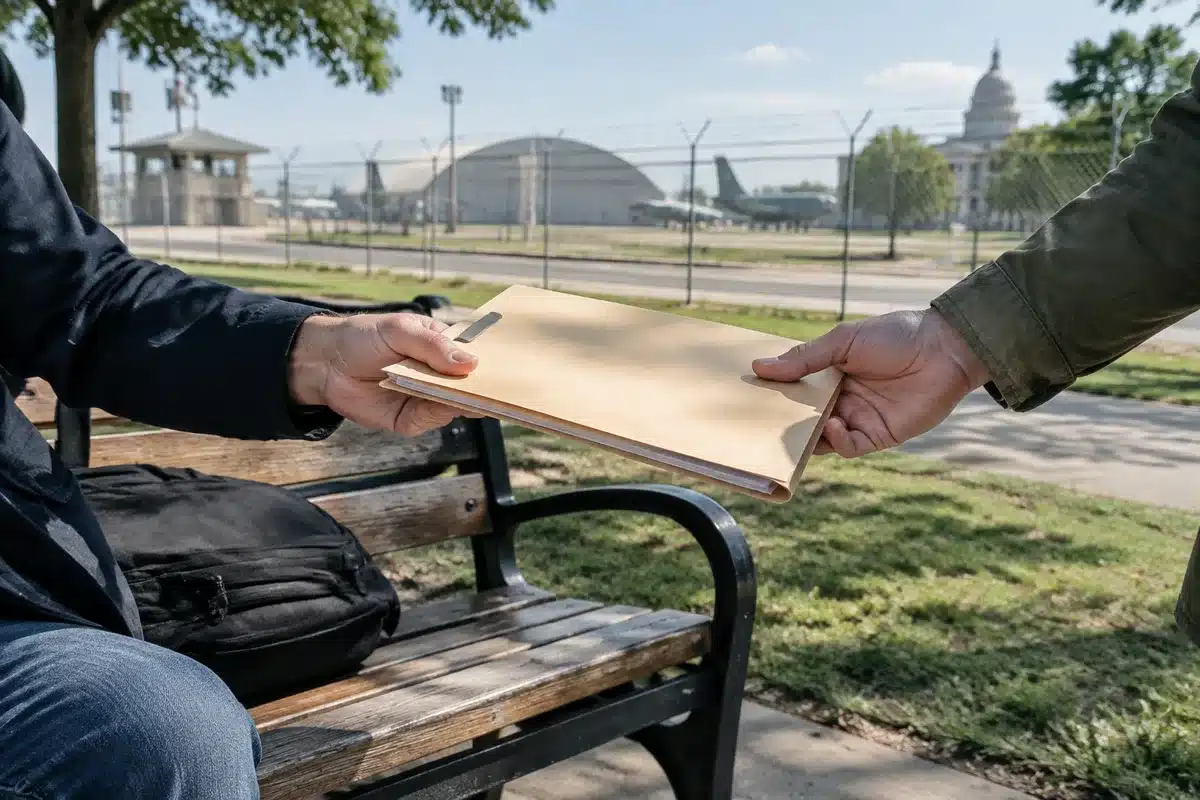
Tinker Air Force Base remains central to that reality. As one of the area’s largest employers, the installation supports a broad regional supply chain, attracts aerospace and defense projects, and anchors thousands of local paychecks. Its work reaches far beyond base gates: maintenance contracts, logistics services and tech vendors in the surrounding community all depend on Tinker’s missions.
Heritage and continuity
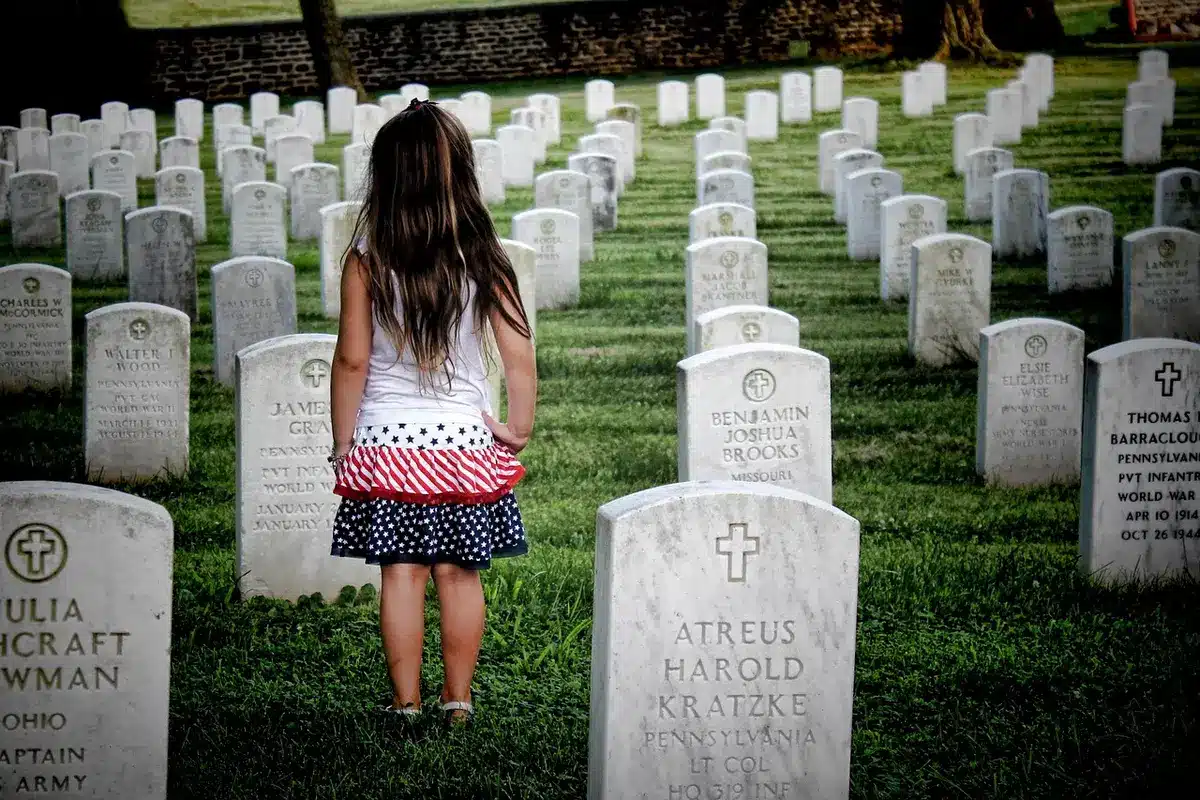
The military’s presence in Oklahoma is not new. The state’s long-standing ties to the armed forces include the Oklahoma National Guard and the historical service of the 45th Infantry Division, both of which shape civic identity and public memory. Generations of families have answered the call to serve, producing a steady flow of veterans, reservists and active-duty personnel who remain woven into the local workforce and civic institutions.
Oklahoma City military community: city unveils major plan to boost veteran services
Richard Glossip: court records outline alleged role in 1997 killing
Those ties carry tangible consequences: recruiting and retaining skilled labor, sustaining local businesses that rely on defense contracts, and maintaining the social supports that make relocations and deployments manageable for families.
What military families face
When a service member is deployed or transferred, the ripple effects fall heavily on relatives at home. Spouses often confront interrupted careers and credential hurdles after cross-state moves; children must cope with school changes and social disruption; extended family members pick up additional caregiving duties during absences.
These are not occasional inconveniences. For many families, repeated moves and periods of separation compound over time and influence long-term financial stability, education outcomes and mental health.
- Employment: flexible hiring, veteran-friendly recruitment and spousal hiring initiatives;
- Licensing and credentials: faster reciprocity for professional licenses after relocation;
- Education: smoother school transitions, counselling support, and academic continuity for military-connected students;
- Childcare and family services: affordable, reliable options that accommodate irregular schedules;
- Mental health and resilience: accessible counseling and community support for spouses, children and veterans;
- Housing and transportation: stable, affordable housing options near bases and reliable transit routes.
Local organizations, including business groups and civic leaders, point to these areas when outlining how the city can better integrate military families into its economic and social fabric. Strengthening those supports is also a practical strategy: it helps retain a skilled workforce and keeps critical defense infrastructure viable.
Economic development groups say collaboration with the base is ongoing. Public‑private partnerships, workforce training programs and targeted hiring efforts are among the tools being used to align base needs with local talent and services.
The stakes are straightforward: communities that invest in military families protect jobs, stabilize neighborhoods and preserve the readiness of installations that contribute to the regional economy.
This Military Family Appreciation Month, recognizing service households is more than ceremonial. It’s an occasion to assess which policies and programs work, where gaps remain, and how civic leaders — employers, school districts and nonprofit agencies — can coordinate to make Oklahoma City a more dependable home for those who serve.