Show summary Hide summary
Crystal Wahpepah is bringing a lifetime of family recipes and land-based knowledge to 39, the restaurant inside Oklahoma City’s First Americans Museum, where she advises on a menu meant to reconnect diners with Native foods and the people who grow them. Her work—now focused on a fall menu that highlights regional harvests and Indigenous producers—ties culinary tradition to cultural sovereignty and practical lessons about seasonality.
Rooted in place, guided by season
Wahpepah, a member of the Kickapoo Tribe of Oklahoma who learned to cook with traditional ingredients as a child in Oklahoma and California, helps shape dishes that follow what the landscape offers throughout the year. The collaboration with executive chef Ben Hutton aims to present Indigenous foods in contemporary formats while keeping the rhythms of the land central to menu planning.
Mazzei taps Lindel Fields as chief of staff: incoming team takes shape
Cal Poly faces recruiting, scholarship shakeup under Protect College Sports Act: what to expect
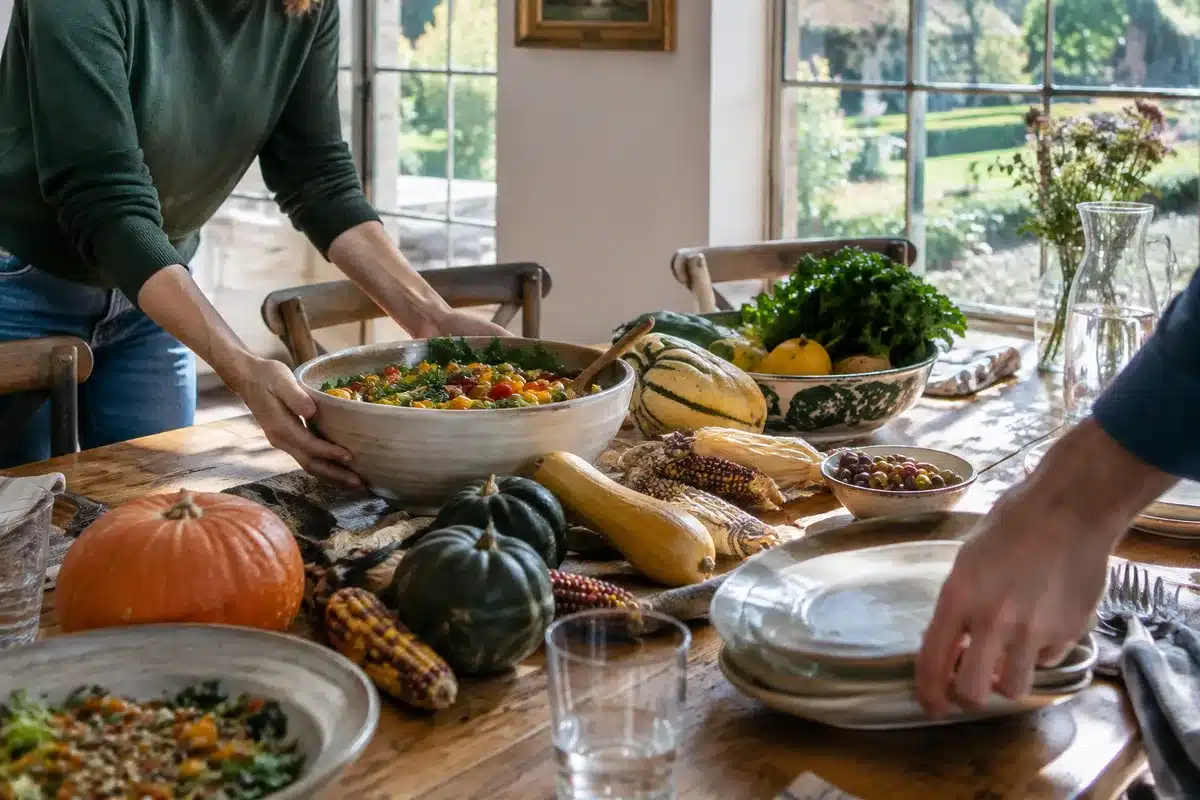
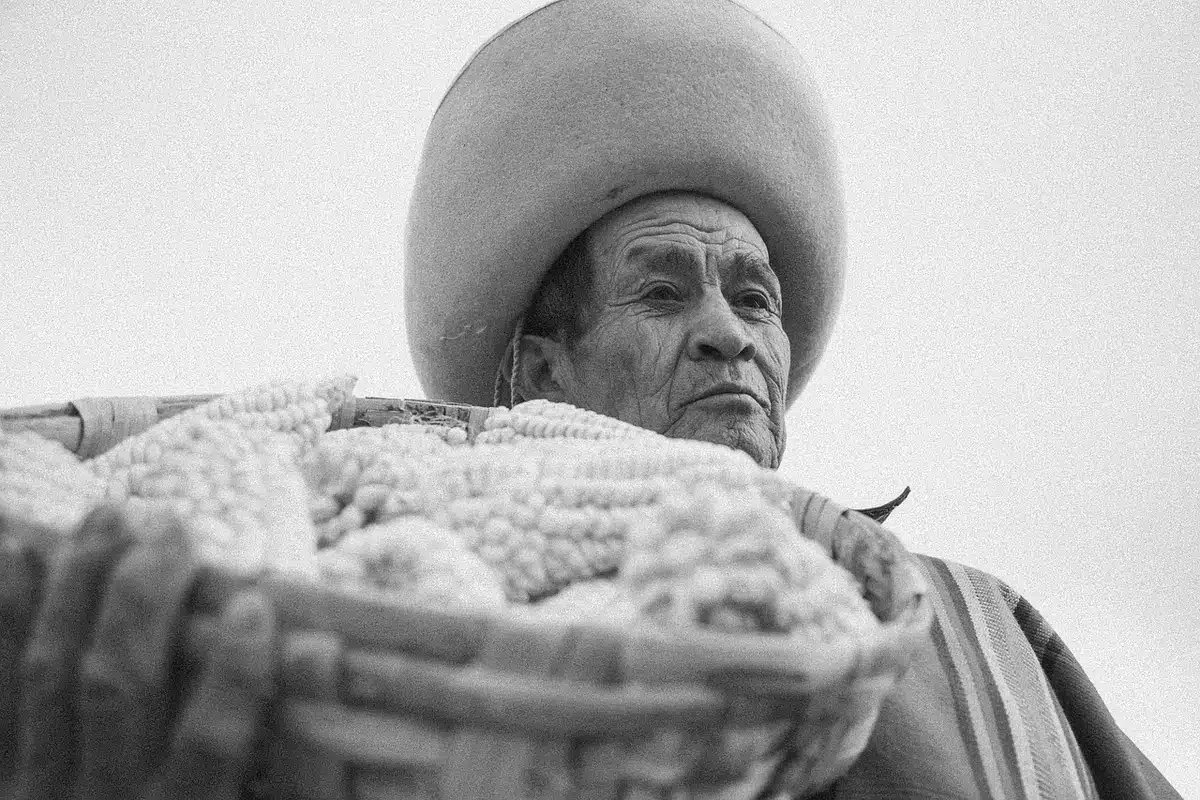
She treats ingredients as stories: squash may stand in for familial and nurturing roles, beans for resilience, and corn as a long-term staple meant to carry communities through colder months. Those three crops—often grown together in Indigenous agriculture—appear at 39 in a vegetable bowl that reframes ancestral pairings for modern diners.
Building relationships with Native producers
Beyond recipes, Wahpepah places priority on sourcing. She works directly with Indigenous farmers and ranchers to ensure the restaurant’s plates reflect regional ecology and Indigenous stewardship.
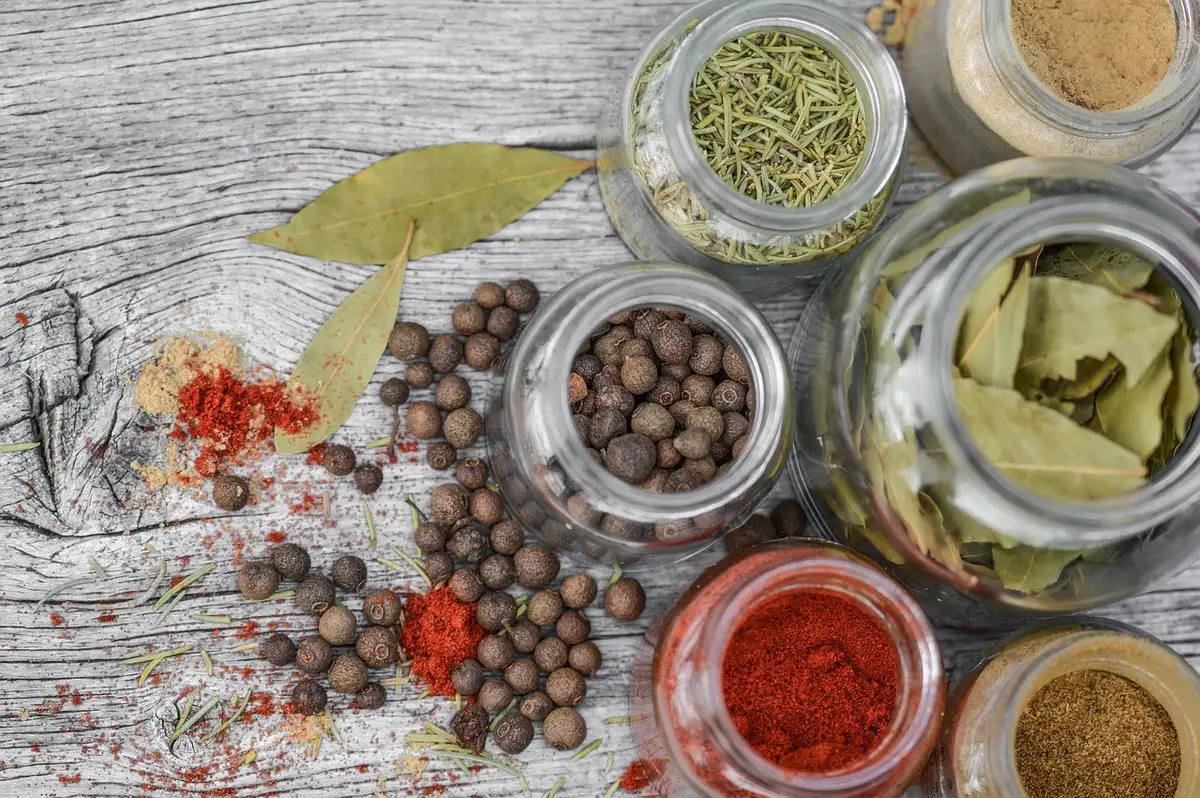
That extends to items like beef supplied by a tribal producer in Oklahoma and peppers and herbs harvested from the museum garden, which remained productive into October during a recent site visit. For Wahpepah, the garden is more than ornamentation; it is an active demonstration of food’s role in community health.
- Seasonal sourcing: Menus adapt to harvest cycles rather than fixed trends.
- Three Sisters practices: corn, beans and squash used together for culinary and cultural meaning.
- Local tribal producers: meat and produce sourced from Indigenous operations in Oklahoma.
- Food as medicine: teaching and menu choices emphasize nutritional and cultural benefits.
A museum meal that extends the exhibits
Placed inside the First Americans Museum, the restaurant is intended to be part of a visitor’s cultural itinerary: see the exhibitions, then sit down to food that continues the stories on display. Wahpepah describes that sequence as vital—meals become another way for visitors to understand the histories and contemporary lives of Oklahoma’s tribal nations.
By presenting Indigenous ingredients within a formal dining setting, 39 aims to broaden public exposure to Native cuisine and to normalize its place in the city’s culinary map.
Passing knowledge forward
Wahpepah also sees a wider purpose: representation. She says growing up she rarely encountered Native-run restaurants, and she hopes sites like 39 make a difference for young Indigenous people who may now see cooking and food sovereignty as viable paths.
Her educational work—including sessions about the medicinal qualities of traditional foods with students—reinforces that the project at 39 is both culinary and cultural, intended to sustain recipes, relationships and career possibilities for the next generation.
At a moment when many diners are seeking authenticity and provenance, Wahpepah’s approach connects taste to place and to people—offering visitors not just a meal, but a living lesson in Indigenous foodways.