Show summary Hide summary
Oklahoma City’s Will Rogers International Airport has launched a 25-year modernization blueprint that could transform it from a mid-sized regional hub into a major national gateway. The plan ties phased construction to passenger demand and already includes immediate roadwork and terminal upgrades that will affect travelers this year and beyond.
What the long-range plan proposes
The initiative, titled Cleared for Takeoff, lays out a step-by-step expansion designed to grow annual handling capacity from about 4.6 million passengers today to as many as 20 million in the long term. Airport leaders say the approach allows them to scale facilities as traffic increases rather than committing to one rigid timetable.
Will Rogers International Airport to expand: travelers get more nonstop flights
Snowplow naming winners unveiled across Oregon for 2026

Jeff Mulder, director of airports, described the plan as a strategic effort to bring landside capacity — parking, curbs and roadways — into balance with larger terminal needs and faster passenger processing, reinforcing Oklahoma City’s ties to domestic and international markets.
- Phase 1 (up to 6 million passengers): New five-level parking garage north of Garage C adding 1,538 parking spaces, a covered rideshare waiting zone, demolition of Garage A and temporary reshaping of terminal roadways.
- Phase 2 (up to 8 million): Terminal and concourse extensions to support about 24–26 gates, including a position for larger aircraft, plus a permanent two-level roadway to improve curbside flow.
- Final build-out (up to 20 million): A full-scale terminal with roughly 40 gates and an expanded six-lane curbside designed for heavy passenger volumes.
Construction already underway — what travelers should expect
Work began at the intersection of Terminal Drive and Amelia Earhart Lane in late October, marking the start of Phase 1. That project is scheduled to wrap up in February 2028 and has led to lane reductions on Terminal Drive; current traffic is limited to one lane each way.
Economy parking access is being rerouted through SW 54th Street and Air Cargo Road, and detours will shift as crews move through different pockets of the site. Travelers are being advised to build extra time into their departures — airport officials suggest arriving at least two hours before scheduled boarding while these changes are in place.
Interior updates are running on a parallel timeline: new terrazzo flooring is planned throughout the terminal with a target completion of January 2028, and restroom renovations in ticketing and baggage claim are expected to finish by December 2027.
Practical impacts right now
Short-term disruptions are concentrated around curbside access and economy parking. Over the medium term, the new garage and roadway changes aim to reduce congestion and speed up drop-off and pick-up cycles — a relief for frequent flyers and airport employees alike.
New air service expands direct connections
As the physical footprint grows, the airport is also adding routes. United Airlines will begin daily, year-round nonstop flights between Oklahoma City and San Francisco International Airport on March 28, 2027. That service will elevate the number of nonstop destinations served from the airport to 29.
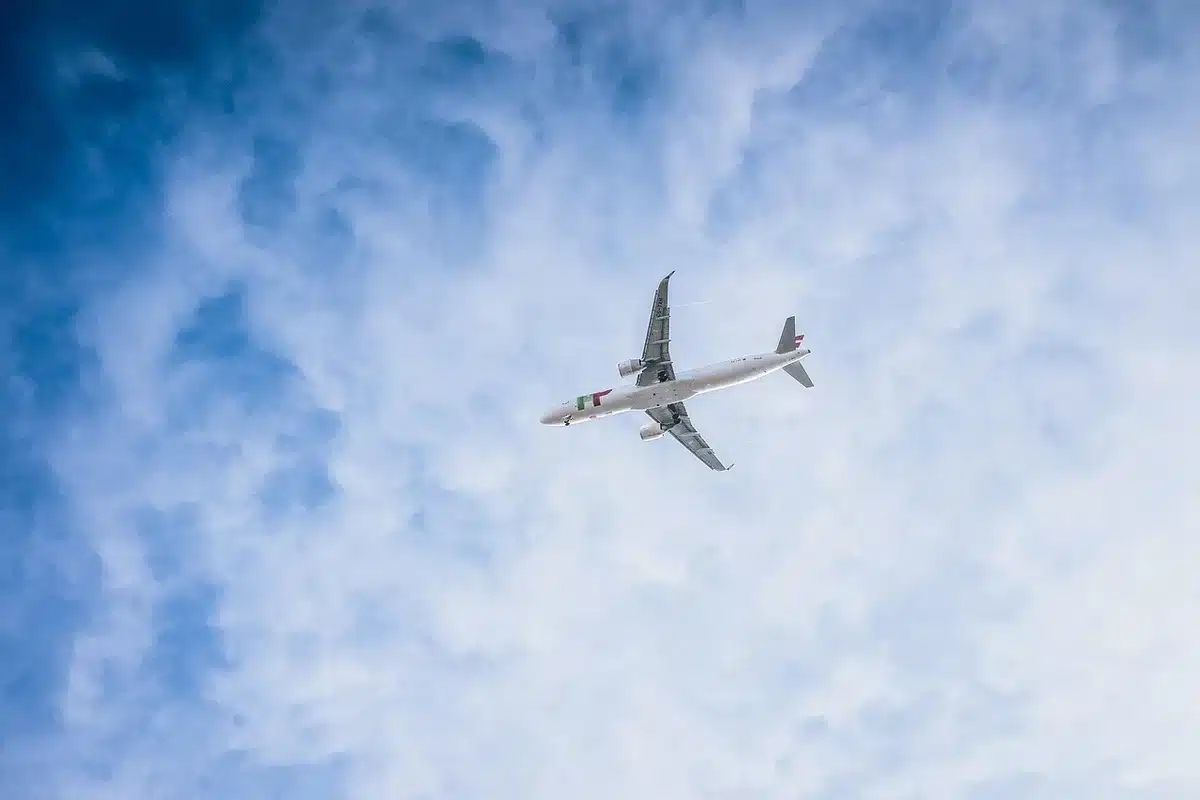
The San Francisco link opens direct access to a major technology and business center and enhances onward international connections through United’s SFO hub. United already offers nonstop service from Oklahoma City to Denver, Houston and Chicago, and the new route strengthens corporate and leisure travel options for the region.
Why this matters now
Investments in gates, parking and roadways are not just about convenience; they shape economic opportunity. Better air links to the Bay Area and larger aircraft capability can attract more business travel, support conventions, and make the metro more competitive when companies consider relocation or expansion.
For passengers, the immediate value is improved reliability and more destination choices. For the city, the long-term payoff could include jobs, tourism growth and closer integration with national and international markets.
Officials encourage travelers to check airport advisories before traveling and to consult the airport’s official channels for the latest on construction phasing, detours and service changes.