Show summary Hide summary
For many people living without a home in Oklahoma City, a single short-term cost — a security deposit, a bus fare or help reconnecting with family — can decide whether they move into housing or stay on the streets. A local coalition says a targeted intervention that covers those gaps is already shifting outcomes and freeing up crisis resources.
Small investments, rapid results
Key to Home Partnership, a network of nearly 50 local agencies, launched an Early Intervention and Rapid Exit pilot that helped 303 people leave homelessness in its first year. The initiative provides brief, flexible support at an average expense of about $1,500 per client, and leaders report the effort is expanding to reach at least 400 more people before the end of the fiscal year — a goal the program expects to surpass.
US stocks tumble after hotter-than-expected inflation: markets brace for rate hikes
San Luis Obispo County voter registration challenge launches for high school students

Program designers examined how people cycle into the city’s homelessness response system and borrowed diversion tactics used elsewhere to solve housing problems before they escalate. Jamie Caves, the partnership’s strategy implementation manager, says the approach targets individuals who do not need long-term case management but who face immediate, solvable obstacles to stable housing.
Practical fixes that reopen doors
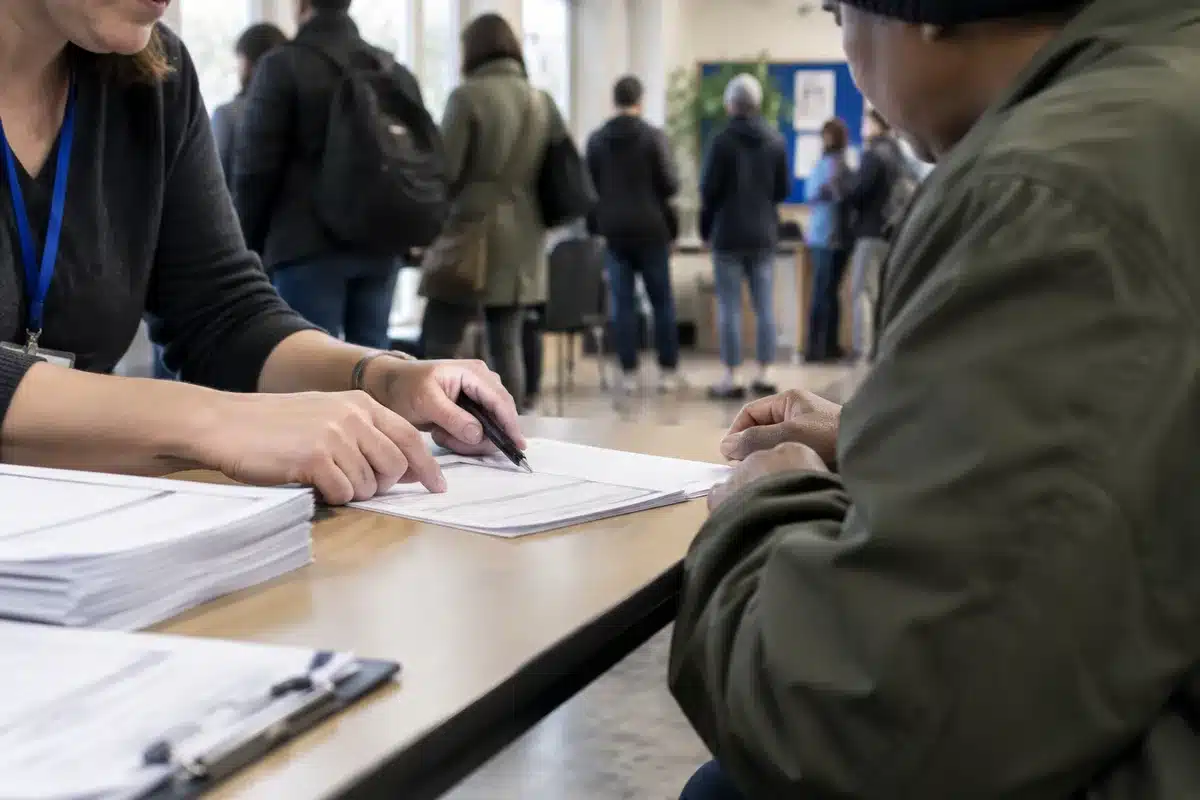
At the frontline, caseworkers focus on the precise, short-term barriers keeping someone from moving into a unit or reconnecting with a support network. Jennifer Kill, who oversees Key to Home programs at Catholic Charities, described situations ranging from people with steady income who lack move-in funds to those whose relatives can host them but cannot cover travel expenses.
Typical supports include one-time payments for deposits, transportation, groceries and basic communication tools. Family reunification — helping participants return to relatives who can provide housing, sometimes outside the city — has been a frequent and effective solution.
- Average cost per participant: ~$1,500
- Flexible assistance cap: up to $1,200 per person (from donations)
- Pilot results (through June 30): 303 people exited homelessness
- Catholic Charities caseload: 344 served, 51% positive housing exits
The program aims to clear obstacles within roughly 30 days; in practice, clients receive assistance for about 40 days on average. Those who need more sustained help are linked to longer-term resources in the community.
System-wide benefits and growing capacity
Beyond individual outcomes, Key to Home leaders say early intervention reduces pressure on emergency shelters and preserves intensive housing supports for people with complex needs. The partnership tracks post-exit stability and reports that only about 5% of those who left to stable housing returned to the homelessness response system over the last year.

Funding combines municipal support for staff with private donations used for flexible aid. To increase access, the partnership is adding three enrollment specialists at shelters and other access points, doubling the number of staff who can sign people up quickly.
Partners already implementing the initiative include Catholic Charities, City Care, City Rescue Mission, Heartline, Homeless Alliance, Pivot, the Salvation Army and Sisu Youth Services. Caves credits the cross-agency collaboration for producing creative, tailored solutions to individual cases.
“We’re aiming to make early intervention available wherever someone first seeks help,” Caves said, noting a five-year vision in which every access point across the city has capacity to respond immediately.
Why this matters now
As housing costs and service demand rise in many cities, programs that stop crises before they deepen can be both humane and cost-effective. Short-term assistance that prevents a shelter stay or expensive rehousing process can free scarce resources for people with the most complex needs while improving overall system performance.
Key to Home’s results suggest local investments in quick-response, flexible aid can change trajectories for hundreds of people each year — a model other communities watching homelessness trends may consider adapting.