Show summary Hide summary
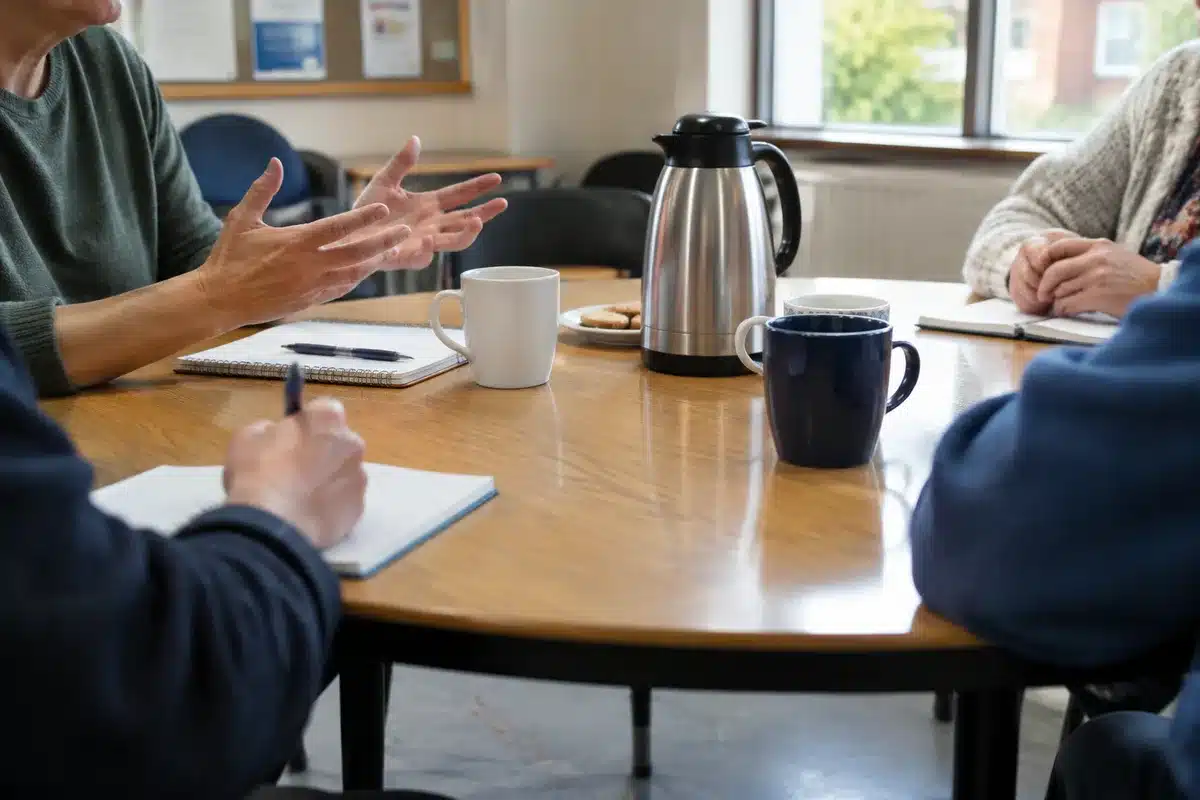
This summer, roughly 400 Oklahomans gathered in dozens of small-group discussions hosted by the Oklahoma City National Memorial & Museum to talk about civic life, community and how people want to participate in democracy. The conversations—part of a nationwide listening effort tied to the country’s 250th anniversary—uncovered both enthusiasm for local action and practical barriers that are preventing many from taking part.
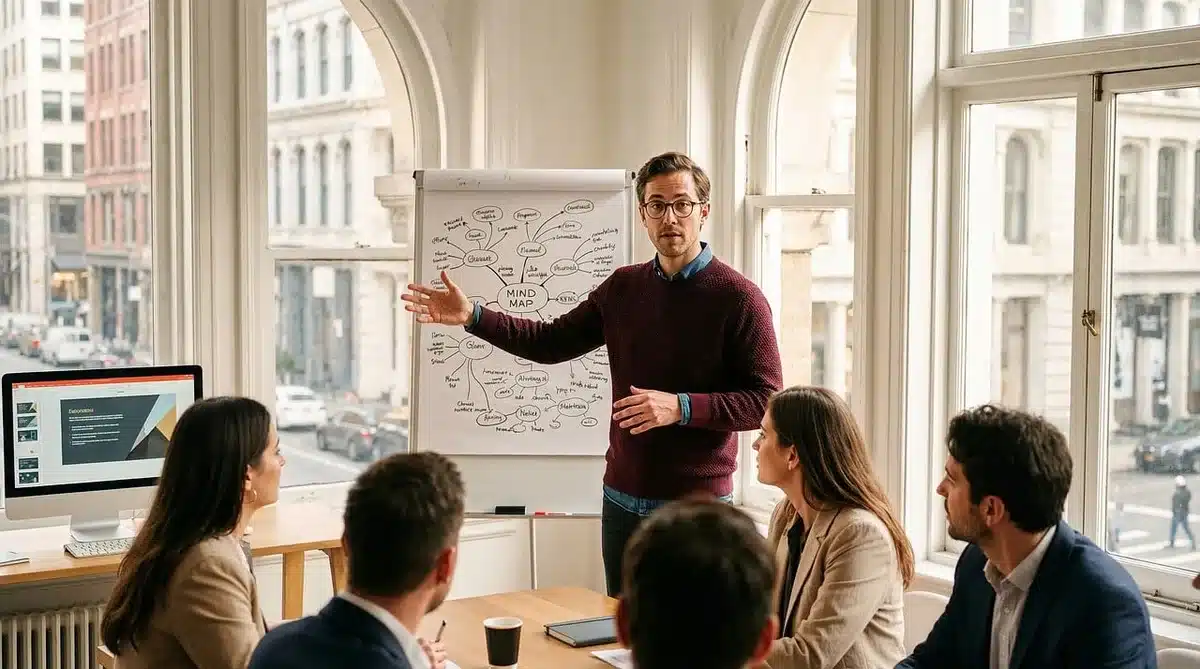
The museum organized 74 meetings across the state, recording more than 4,000 minutes of dialogue and leading participating institutions nationally in the number of sessions held. Meetings were intentionally intimate—usually four to six people—and included voices from multiple generations and from outside the metro area to capture geographic variety.
What residents said matters now
Across the sessions a clear pattern emerged: people want to contribute, but many don’t know the best way in. Volunteering and neighbor-to-neighbor help scored high as comfortable forms of civic participation. By contrast, engaging in conversations about politics or public policy often felt risky or unfamiliar.
Days of Our Lives actor and S.W.A.T. star dies after Los Angeles car crash
California limits hiring of ex-ICE agents: state orders tougher vetting for public jobs
Participants repeatedly pointed to recent disruptions—most notably the COVID-19 pandemic and the growth of online life—as turning points that changed how communities communicate. Concerns about misinformation and the ability to assess sources surfaced frequently, pushing media-related skills higher on the list of civic needs.
- Willingness to act: Strong desire to help locally, especially through volunteering and community initiatives.
- Reluctance to debate: Anxiety about political confrontation and a shortage of skills for constructive dialogue.
- Digital friction: Pandemic-era shifts and social media’s role in deepening divisions.
- Media literacy: Growing interest in tools to evaluate information and reduce misunderstanding.
Skills, programs and a cultural standard
The findings reinforce work already underway at the Memorial through its Better Conversations initiative, which emphasizes hospitality, civility and the willingness to be vulnerable—practical habits that make cross-difference engagement possible. Many participants lamented that those skills have eroded or been taken for granted.
The discussions also revived an idea many Oklahomans referenced: the so-called Oklahoma Standard, the state’s well-known tradition of stepping up in crises. Participants expressed pride in that legacy and a desire to make the same readiness part of ordinary community life, not just an emergency response.
Stephen Evans, the Memorial’s director of education and public programming, described a gap between civic intent and civic know-how. He said many people are wary of entering spaces where politics might turn hostile, while others lack basic practice in deliberative conversation.
Turning listening into action
Leaders at the Memorial are now analyzing the qualitative conversations alongside civic health statistics to shape recommendations for programming and outreach. That work is timed with a larger campus expansion that will include a new Civics Lab, a space the museum envisions as a hands-on site for practicing civic skills.
The Memorial sees the 1995 response to the bombing—when local, state and federal actors cooperated—as an example of coordinated civic action to draw lessons from. But the immediate challenge is more mundane: creating room where ordinary residents will sit down with neighbors and practice the habits the Memorial wants to teach.
The National Conference on Citizenship is preparing a national report from the same listening project and will include a section that examines the Oklahoma conversations.
Recruitment for the sessions underscored the need for this kind of work. Established organizations were relatively easy to sign up; convincing unaffiliated residents to meet with strangers proved much harder. Something as simple as conversation can therefore be a scarce civic resource.
That scarcity matters because small, repeated acts of listening and exchange are what build trust over time. The Memorial’s initiative suggests a practical path forward: pair infrastructure—like a Civics Lab—with skill-building programs such as Better Conversations and targeted work on media literacy to help turn goodwill into sustained engagement.
For communities wrestling with fractured public life, the lesson from this summer’s dialogues is straightforward: people want to be part of the civic fabric, but they need invitations, practice and tools to make that participation possible.