During an extreme heat warning on Sept. 9–10, several Cal Poly classrooms without climate control became increasingly difficult to use, disrupting instruction and leaving students and instructors seeking ways to stay cool. The episode highlights a campus-wide gap between building infrastructure and rising temperatures—and raises immediate questions about when and how the university will protect classroom health and learning.
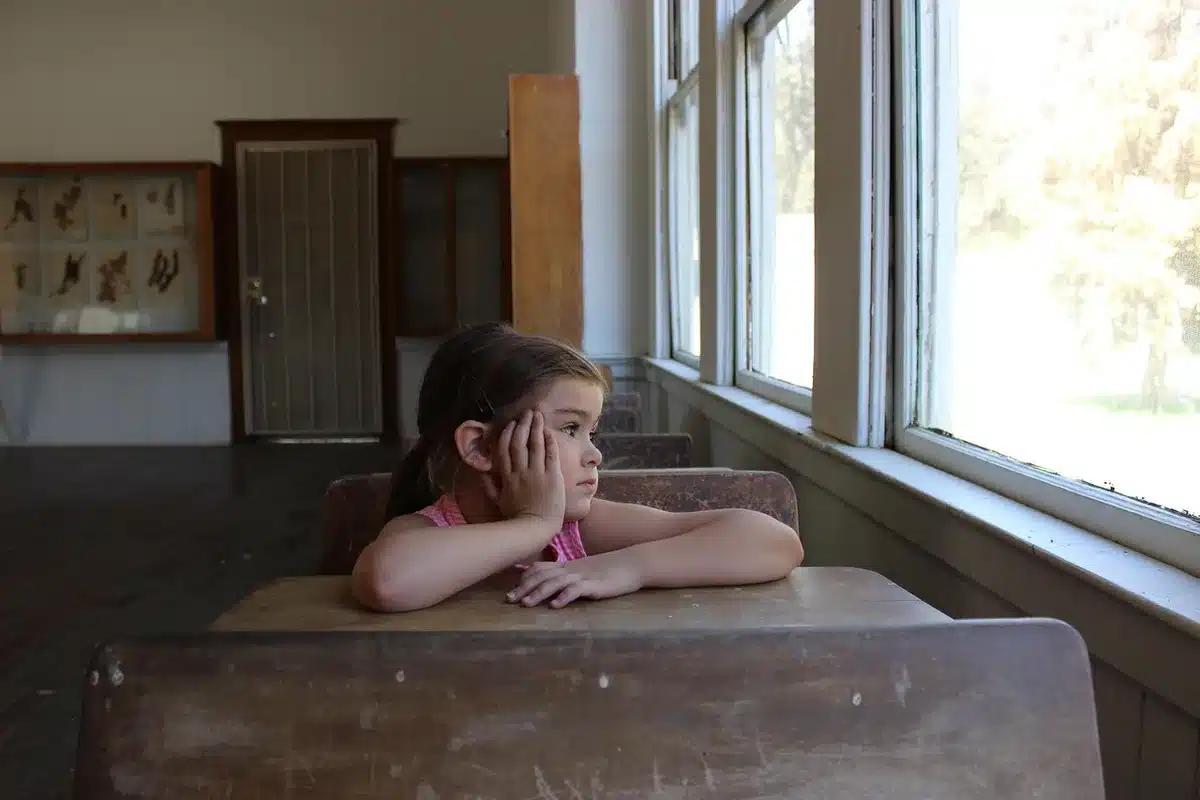
Students described fatigue, discomfort and difficulty concentrating after moving between uncooled rooms across campus. One sophomore in viticulture said she felt drained walking between classes and avoided outdoor exposure to prevent a sunburn, while another student said he spent much of a hot lecture fanning himself and sitting near the door for relief.
Cal Poly’s facilities listing identifies 20 campus buildings that have full air conditioning and seven that are only partially cooled. Below are the buildings the university classifies as fully or partially air-conditioned.
Days of Our Lives actor and S.W.A.T. star dies after Los Angeles car crash
California limits hiring of ex-ICE agents: state orders tougher vetting for public jobs
- Fully air-conditioned buildings (20): Administration (1), Performing Arts Center (6), Frank E. Piling (14), Mustang Commons (15), 1901 Dining Complex (19), Graphic Communication (26), Health Center (27), Kennedy Library (35), Engineering III (41), Recreation Center (43), University Union (65), Vista Grande (112), Student Services (124), Wurzel Plant Sciences (159), Jacobson Animal Sciences (165), Baker Science (180), Frost Center (181), Bonderson Engineering Projects Center (197), Construction Innovations Center (186), and Engineering IV (192).
- Partially air-conditioned buildings (7): Cotchett Education (2), Orfalea College of Business (3), Mechanical Engineering (13), Engineering East (20), Clyde P. Fisher Science (33), Engineering South (40), and Davidson Music Center (45).
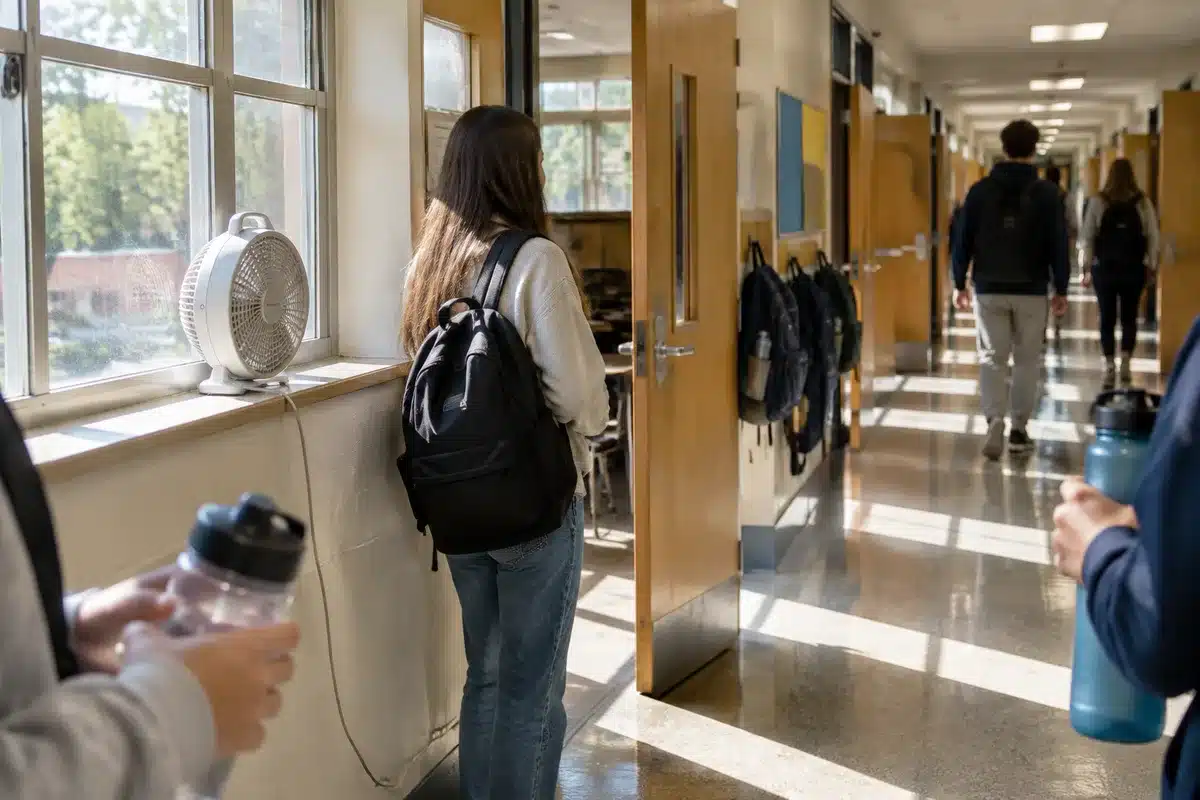
Faculty recounted varied classroom conditions. One professor teaching two consecutive sections in an agricultural building said temperatures rose enough that he brought a portable fan to his lecture. He described the environment as stifling, with students fanning themselves and seeking any breeze near windows or doorways.
Another instructor, who works in both agricultural and arts buildings, criticized the timing of university communications. He said a provost email outlining a temporary policy that would allow instructors to shift classes online without penalty arrived after business hours, limiting instructors’ ability to respond quickly to the heat.
Cal Poly’s long-range 2035 Master Plan names replacement of older Academic Core buildings and adding mechanical cooling as part of future development. But the plan does not commit to a specific construction schedule and does not guarantee that those upgrades will be completed by 2035, leaving short-term vulnerability during heat events.
Students and instructors reported several immediate effects during the warning:
- Lowered attention and reduced engagement during lectures
- Increased breaks to obtain water and seek shade
- Temporary measures such as portable fans and sitting near entrances
- Concerns about heat-related fatigue and minor health risks like sunburn
The episode underscores practical choices the university must make when heat spikes occur: issue timely guidance, allow remote instruction when classrooms are unsafe, or provide emergency cooling in older buildings. For students, the stakes are clear—classroom comfort affects whether a lecture is usable, not just convenient.
As regional temperatures rise and heat warnings become more common, campus infrastructure and administrative response will determine whether classrooms remain functional on hot days or whether more frequent disruptions are likely. Cal Poly’s planning documents point toward long-term fixes, but the recent event makes the case for clearer, faster interim policies and targeted investments to protect learning and health now.