Show summary Hide summary
Gov. Gavin Newsom signed a bill on Sept. 21 that permanently requires California bars and nightclubs to offer drink lids and on-site drug-testing tools to patrons. The change removes a prior sunset clause and folds these safety measures into state alcohol licensing rules — a step regulators say will help patrons check drinks and discourage drink-spiking.
The law touches on licensing procedures as well as operational duties for venues, according to state records compiled by CalMatters’ Digital Democracy database. Local Alcoholic Beverage Control (ABC) officials say the measure clarifies what license holders must supply and how regulators will monitor compliance.
What venues must provide
Hayley Devin, public information officer for the ABC in San Luis Obispo County, outlined the core obligations for affected establishments. In her description, the rule applies to a specific class of liquor licenses and centers on two practical items patrons can use immediately to reduce risk.
Microsoft outage cripples business apps: mass login and Teams issues reported
California bars hit with safety mandate: drink lids and drug testing required

- Who it applies to: designated on‑site consumption licensees (often referred to as Type 48 licensees).
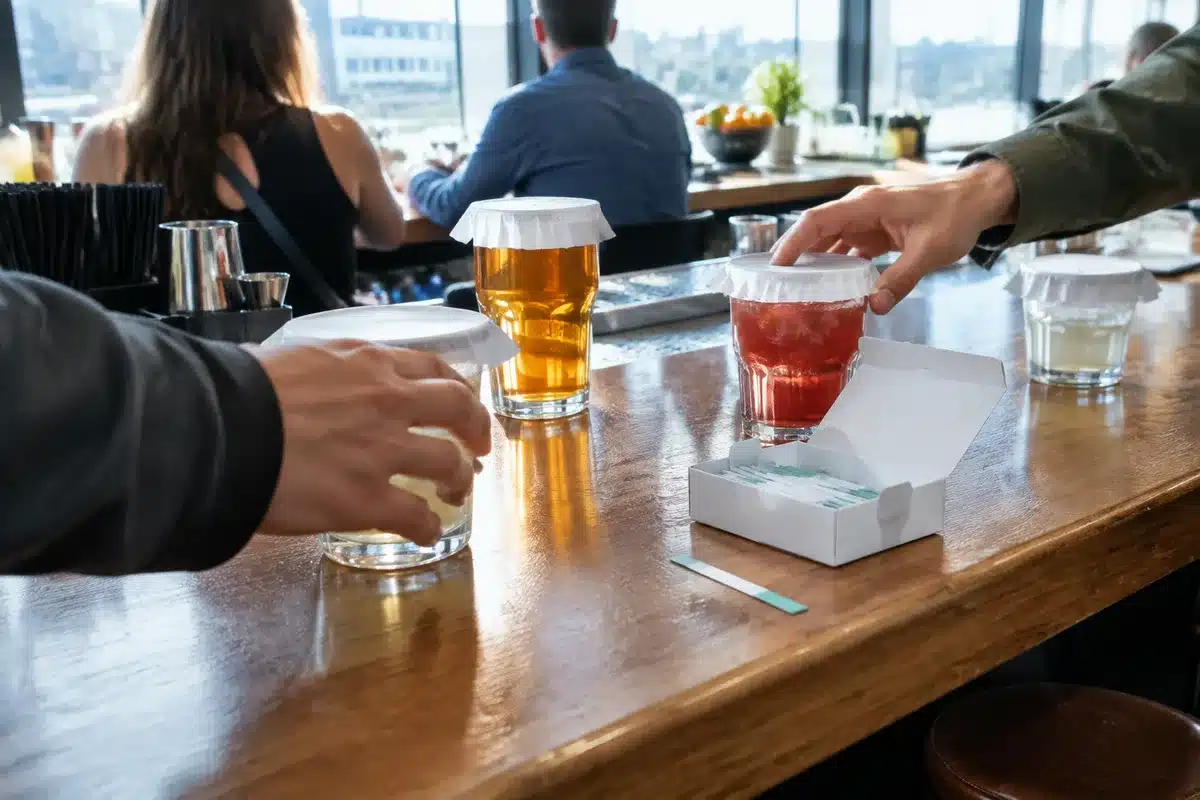
- Drink covers: lids or other devices to physically cover a beverage, available upon request.
- Testing devices: kits or tools that can indicate the presence of at least one of the three most commonly cited drink-spiking substances — ketamine, Rohypnol and GHB — offered at low or no cost to customers.
- Visibility of availability: venues must post notices in their premises and on their websites so patrons can confirm whether supplies are in stock before visiting.
The ABC officer said acceptable test formats can include strips, adhesive stickers, straws or similar single-use tools that give a quick indication of contamination.
Enforcement and on-site checks
ABC agents will continue routine inspections of licensed establishments. Devin said those visits serve a dual purpose: verifying that venues meet the new supply and posting requirements, and educating staff and management about any compliance issues uncovered during inspections.

That educational element is important, she added, because compliance often hinges on staff awareness as much as on having the products available.
For patrons, the immediate takeaway is practical: ask staff for a lid or a test kit, or consult a venue’s website before you go to confirm stock. For operators, the law formalizes expectations and places the responsibility for supply and notice squarely with license holders.
Voices from campus
Ela Wojewoda, a political science and public health student, said the measures would make her feel more comfortable when going out. She framed the kits and lids as simple tools that both raise awareness and offer a layer of prevention.
“These steps don’t solve everything, but they give people options and put the issue on the table instead of ignoring it,” Wojewoda said.
Policy experts and venue operators are likely to watch how implementation plays out in practice — particularly whether supplies remain consistently available and how tests perform in real-world settings. The law’s effect will depend on steady enforcement and how well venues adapt operationally to the new, ongoing requirements.
- Patron tips: Ask for a lid or a testing tool on arrival; check a venue’s website or call ahead; understand that no quick test is exhaustive.
- Operator tips: Keep clear signage, maintain an on-site inventory, and train staff to offer and explain the tools.