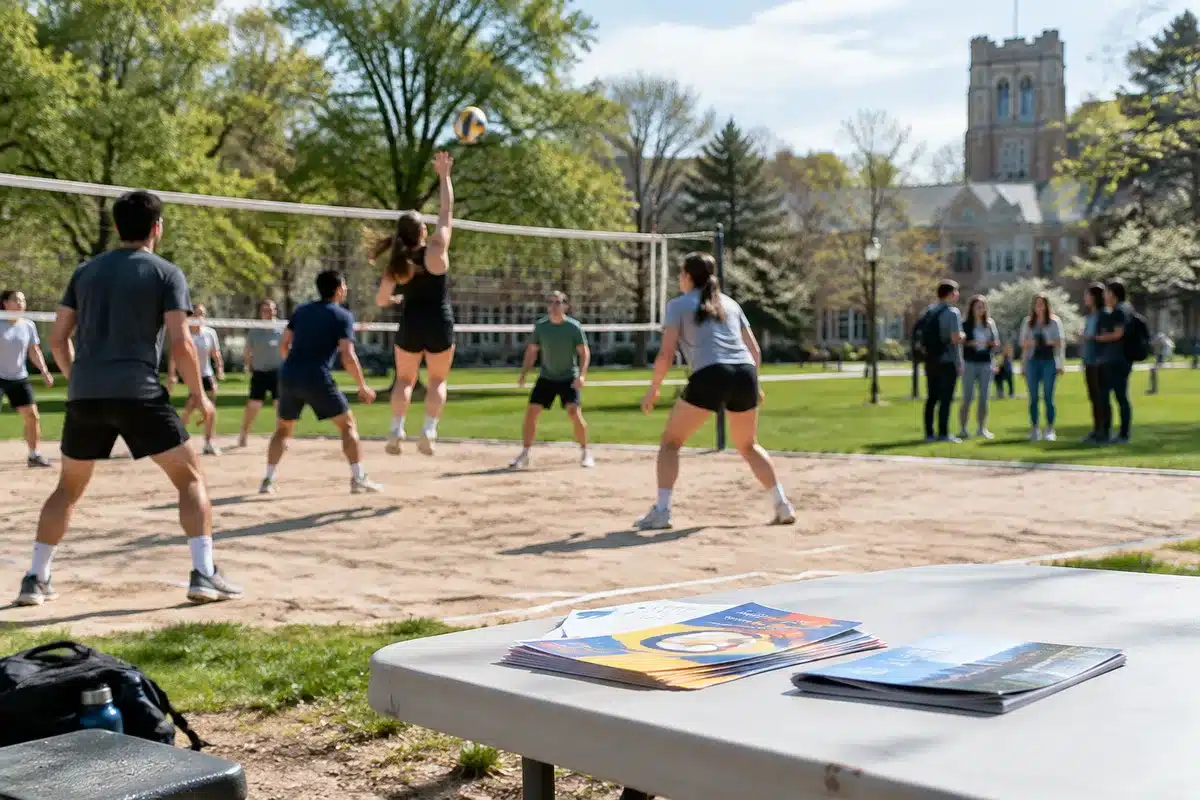
The 28th annual Mark S. Reuling Volleyball Tournament returns to Cal Poly this Friday, combining a campus-wide volleyball event with a sustained push to normalize conversations about student mental health. What began as a family-led tribute now serves as a fundraiser and community touchpoint for awareness and support across the university.
The event was established by Ed and Pam Reuling in memory of their son, Mark, and is run in partnership with ASI Recreational Sports. The family also created the Mark S. Reuling Endowment, which channels proceeds into ongoing mental health education and prevention programs on campus.
Organizers emphasize that the tournament is more than a game: it’s the capstone of a week-long campaign aimed at opening dialogue around well-being and connecting students with services they might not otherwise find.
Oklahoma civic engagement: local talks identify clear steps to boost turnout
State Farm agrees to $45 million settlement after Oklahoma roof damage probe
How the event fits into campus efforts
The tournament is the culminating activity of Buck the Stigma, a series of events sponsored by Cal Poly ASI Student Government and PULSE. Throughout the week, workshops, panels and informal gatherings foreground mental well-being alongside recreational programming.
Hosts for the tournament include ASI Intramural Sports, ASI Student Government, ASI events and Campus Health & Wellbeing, reflecting a collaborative approach across student services and campus organizations.
- Primary purpose: Honor Mark Reuling’s memory while raising awareness about campus mental health.
- Funds raised: Directed to the Mark S. Reuling Endowment to support education, outreach and prevention throughout the year.
- Community goal: Use recreation to lower barriers and build connections that make it easier to talk about mental health.
- Organizers: ASI Intramural Sports, ASI Student Government, ASI events, Campus Health & Wellbeing, and family partners.
Recreation is intentionally central to the strategy. Organizers note that shared activities help people meet informally, which can make discussions about emotional struggles feel less clinical and more human. In short, playing together can create the conditions for asking for help or offering support.
Beyond awareness, the tournament aims for practical outcomes: leaving students better informed about the mental health resources available on campus and more comfortable seeking assistance when needed. Organizers say even a single student learning about a service they’d otherwise have missed counts as success.
With nearly three decades of events behind it, the tournament remains a steady reminder that university communities often rely on a mix of formal services and everyday social connections to support student well‑being.