Show summary Hide summary
This summer, nearly 400 Oklahomans took part in intimate, recorded conversations about civic life organized by the Oklahoma City National Memorial & Museum. The findings — drawn from dozens of small-group sessions — reveal a strong willingness to help communities alongside growing uncertainty about how to navigate political disagreement, a gap the museum plans to address as it expands civic programming.
What the project set out to do
The Memorial participated in the American Conversation Project, a nationwide effort to gather public perspectives around the country’s 250th anniversary. Locally, staff facilitated 74 separate discussions that together generated more than 4,000 minutes of recorded dialogue, placing the museum among the most active participating institutions in the nation.
Oklahoma civic engagement: local talks identify clear steps to boost turnout
State Farm agrees to $45 million settlement after Oklahoma roof damage probe
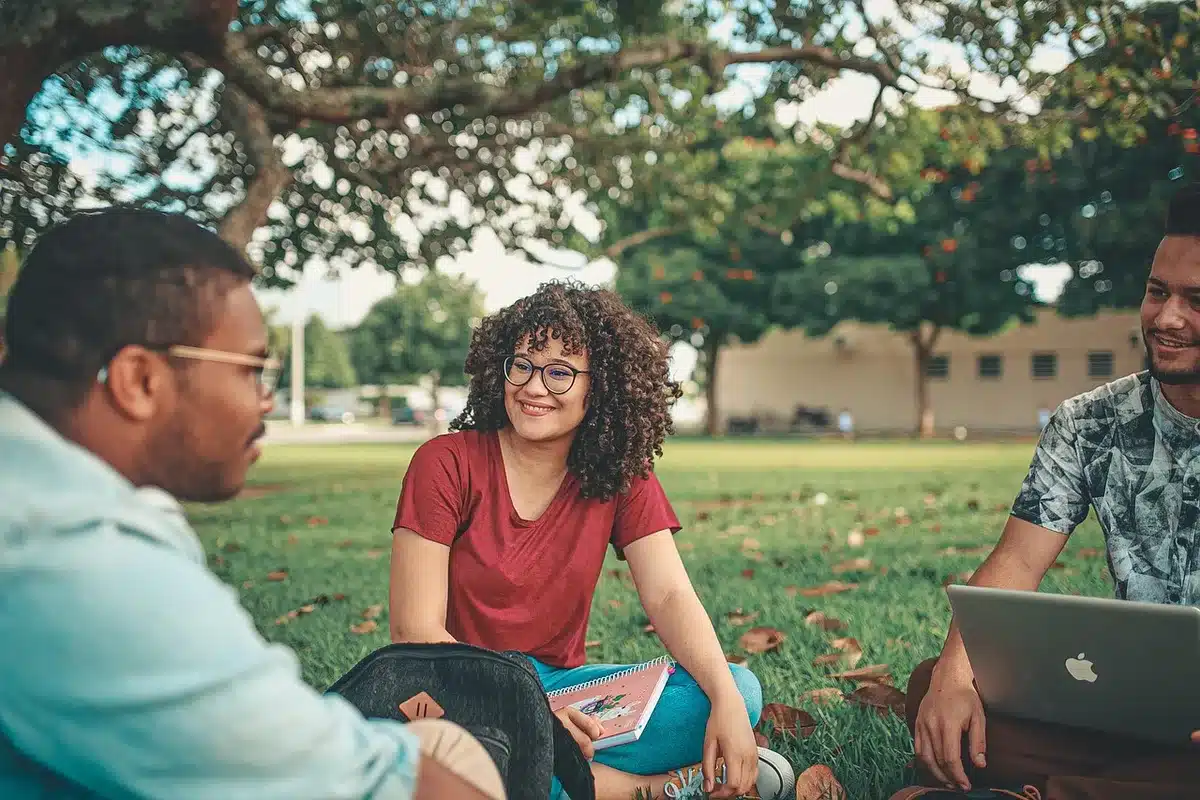
Conversations were deliberately small — typically four to six people — and held across Oklahoma City and surrounding counties so the project could capture a range of experiences from different age groups and geographies.
What people said
One clear pattern emerged: people want to contribute to their communities, but many told facilitators they lack clear pathways or confidence to do so. Practical forms of involvement — volunteering, neighbor-to-neighbor help — felt accessible. Deliberations about public policy, however, were often avoided or described as risky.
Project staff point to several drivers behind that reluctance. Many participants flagged the pandemic as a turning point that altered habits of interaction. The ubiquity of online platforms and concerns about evaluating information online were recurring themes, with respondents voicing anxiety about media literacy and the polarizing effects of digital spaces.
Stephen Evans, the Memorial’s director of education and public programming, said those responses exposed a gap between civic intent and civic skill: people are eager to act but uncertain how to engage constructively across difference.
Skills and values people want to see revived
Several conversations returned to concepts the Memorial has already been exploring in its programming. The museum’s Better Conversations initiative emphasizes practices such as
- hospitality — creating a welcome setting for dialogue;
- civility — maintaining respect even amid disagreement;
- vulnerability — willingness to listen and share personal perspective.
Participants frequently suggested these capacities have weakened over time and that deliberate training in them could make civic participation feel safer and more effective.
The weight of history and a local ethic
Talks also revived the idea of the Oklahoma Standard — a phrase tied in public memory to the community response after the April 19, 1995 bombing. Many contributors expressed pride in that legacy and a desire to translate the same readiness to help into everyday civic life rather than reserving it for crises.
Evans framed the 1995 response as a revelation of longstanding community values, not the origin of them. That view shaped how participants described civic responsibility: something built into daily relationships, not only activated by disaster.
How the Memorial plans to use the results
Those qualitative conversations are now being analyzed alongside quantitative civic-health data to shape the museum’s recommendations and programming. The Memorial is preparing an expansion that will include a new Civics Lab, envisioned as a hands-on space where students, community groups and the public can practice engagement skills.
At the same time, the National Conference on Citizenship is compiling a national report from the American Conversation Project that will include a section focused on Oklahoma’s contributions.
Practical hurdles and a simple observation
Recruitment for the conversations revealed another lesson: people who already gather in organized groups were straightforward to enroll, but persuading strangers in the broader public to meet and talk was much harder. That difference underlines a basic civic challenge — creating accessible, comfortable settings where ordinary citizens will risk dialogue.
- Key takeaways:
- Strong interest in contributing to community life, but uncertainty about how to begin.
- Volunteer work is familiar territory; political discussions are avoided or feel unsafe.
- The pandemic and online media shaped communication habits and raised concerns about information literacy.
- Programs that teach listening, respect, and hospitality were widely seen as useful tools.
Turning conversation into sustained action will require training, convenient opportunities to practice, and a focus on restoring trust in local institutions. For the Memorial, the work is not only educational — it’s practical: building conditions where more Oklahomans will feel prepared to take part in civic life.
As participants repeatedly noted, talking to one another may be simple in description but difficult in practice. The project’s organizers say it is precisely the quiet, routine conversations that could help communities rebuild trust and shared purpose over time.