Show summary Hide summary
Officials on Tuesday moved to reassure nearby communities after a detonation at an ammunition plant in Iowa, saying they had established protective perimeters and stepped up measures to keep the resulting smoke and debris from spreading. The actions aim to reduce immediate risks to residents while authorities continue air quality checks and site assessments.
Local leaders and emergency responders described the response as a containment effort focused on limiting exposure and securing the affected area. They emphasized that the situation was under active management and that public safety remained the top priority.
What officials say they have done so far
Authorities outlined several immediate actions taken around the facility to reduce hazards and control the event’s aftermath.
Lead azide detonation at Iowa plant set for Wednesday: Army to destroy explosive stockpile
Turning Point USA draws hundreds: more than 70 protesters gather outside
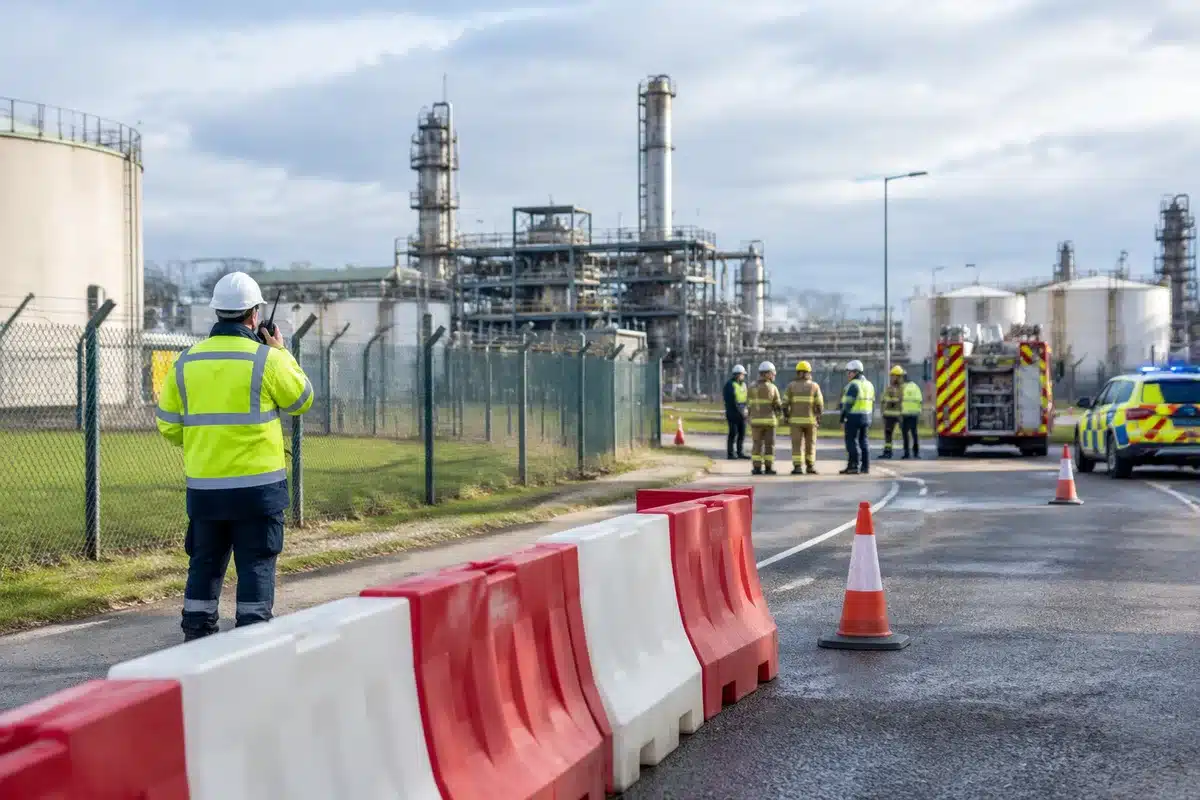
- Perimeter control: Crews set up exclusion zones and physical barriers to keep people away from the core blast area.
- Plume containment: Steps were taken to suppress or redirect smoke and particulate matter from the detonation.
- Air monitoring: Environmental teams deployed instruments to measure air quality and check for contaminants downwind.
- Access restrictions: Road closures and checkpoints were implemented near the site to manage traffic and ensure responder safety.
Why this matters now
Any explosion at a munitions facility raises immediate concerns about airborne contamination and secondary hazards such as fires or unexploded material. Even when officials move quickly, nearby residents can face short-term disruptions and uncertainty about health risks.
Timely public information and transparent testing results are critical for confidence. Authorities said they will share monitoring data as it becomes available and adjust protective actions depending on findings.
Short-term impacts for residents
The most immediate effects are typically limitations on movement near the plant and concern about air quality. Officials urged people in surrounding neighborhoods to follow official guidance and to check reliable local channels for updates.

Longer-term concerns—if contaminants are detected—would involve more extensive cleanup and ongoing health surveillance, but those steps depend on the results of environmental tests now underway.
What to watch next
Residents should look for three key updates from authorities:
- Results of air and soil testing in areas downwind of the site.
- Any changes to exclusion zones or travel advisories.
- Public health notices about potential exposure or recommended precautions.
Officials say they will provide further information as monitoring continues. For now, emergency teams remain on site securing the area and evaluating the full scope of the detonation’s effects.