Show summary Hide summary
An air quality alert issued for Oklahoma City on Aug. 28, 2026, warns that conditions this evening will be unhealthy for people who are particularly vulnerable to pollution. State and federal agencies say elevated ground-level ozone and fine particles will pose health risks through the night, prompting guidance to limit outdoor exposure.
The Oklahoma Department of Environmental Quality released the advisory Friday afternoon, and the National Weather Service in Norman echoed the warning for the Oklahoma City metro. Officials tied the alert to high readings on the Air Quality Index, which tracks both ozone and small-particle pollution near the surface.
What the alert covers and why it matters now
Christa Pike released from hospital after failed execution, attorneys say
Dolly Parton tribute drives Madonna Inn crowds: steakhouse unveils limited menu
The DEQ forecast indicates concentrations of ground-level ozone and particulate matter are expected to reach values the agency classifies as unhealthy for sensitive populations. Those pollutants form or concentrate during warm, stagnant weather and can persist into the evening hours.
For residents, the immediate concern is breathing air that can irritate the lungs and increase the risk of asthma attacks or cardiac strain. Because this alert continues after dark, people who planned outdoor evening activities — including exercising, yard work or commuting — should reassess their plans.
Who is most at risk
Public-health guidance singles out several groups as especially susceptible: people with chronic lung or heart conditions, children, older adults and people who spend a lot of time exercising outdoors.
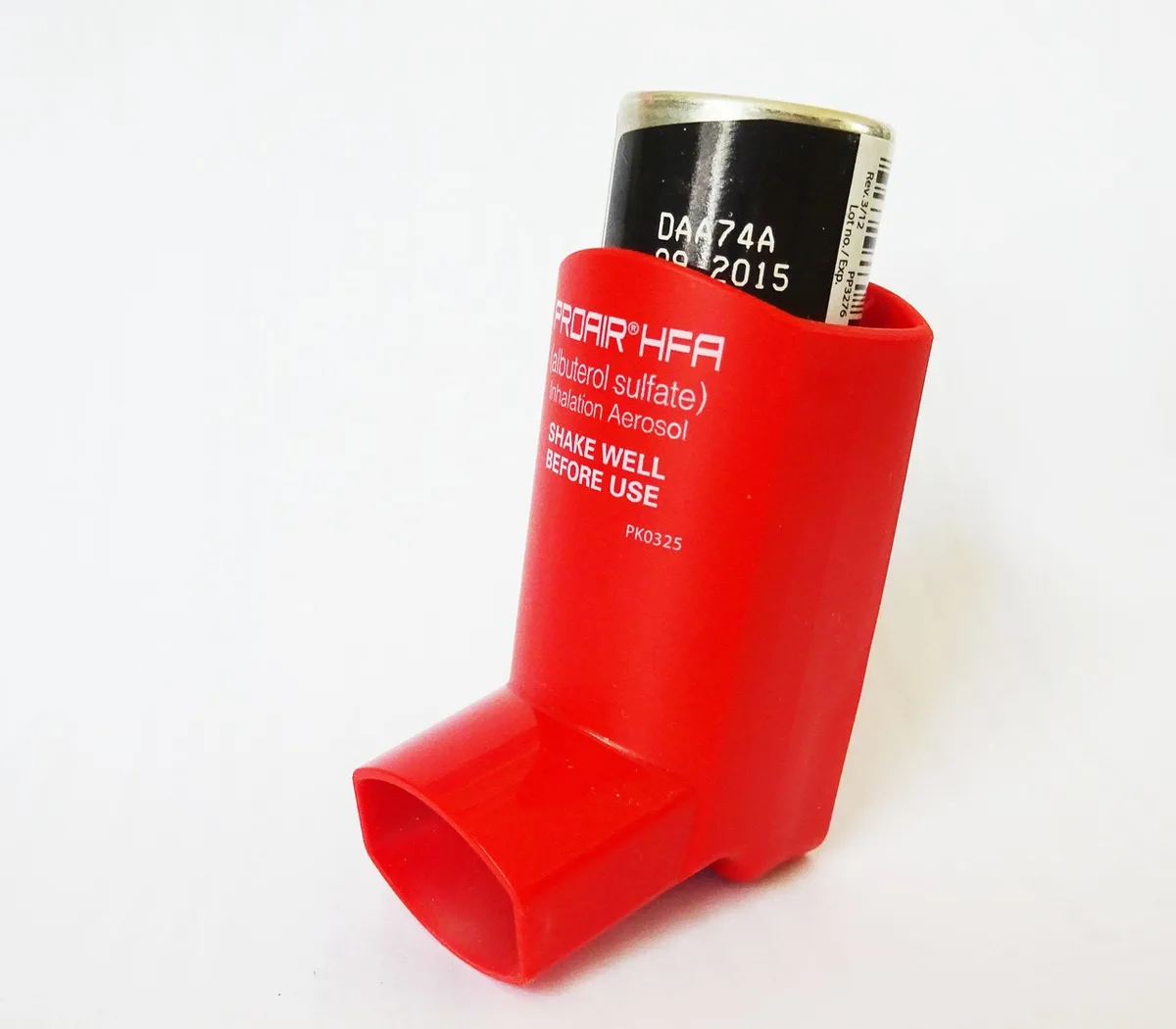
Short-term effects can include throat irritation, coughing and reduced lung function. Repeated or prolonged exposure to unhealthy ozone or fine particles can exacerbate existing respiratory disease and, in extreme cases, contribute to longer-term damage.
Practical steps residents can take
- Reduce or avoid prolonged outdoor exertion, especially if you are in a sensitive group.
- Consider carpooling, using public transit, or delaying nonessential trips to cut down on emissions.
- Keep windows closed at home and use air conditioning with a clean filter where possible.
- If you have respiratory or cardiac conditions, follow your care plan and contact a clinician if symptoms worsen.

How the region scored on the 2026 air-pollution report
The American Lung Association’s 2026 assessment assigned failing grades for ozone exposure to several Oklahoma counties. The organization tracks the number of days each county experienced unhealthy smog levels, a metric that helps explain why officials are on alert.
| County | 2026 Ozone Grade |
|---|---|
| Tulsa County | F |
| McClain County | F |
| Oklahoma County | F |
| Osage County | F |
| Canadian County | F |
| Cleveland County | F |
| Comanche County | F |
| Pittsburg County | F |
| Ottawa County | D |
| Creek County | D |
| Dewey County | D |
| Sequoyah County | A |
On a metropolitan scale, the Tulsa–Bartlesville–Muskogee area ranked 20th nationally for ozone pollution in the ALA report, underscoring regional air-quality challenges that extend beyond a single day’s advisory.
Officials urge residents to monitor local air-quality updates from the Oklahoma Department of Environmental Quality and the National Weather Service and to follow recommended precautions while the alert remains in effect.