Show summary Hide summary
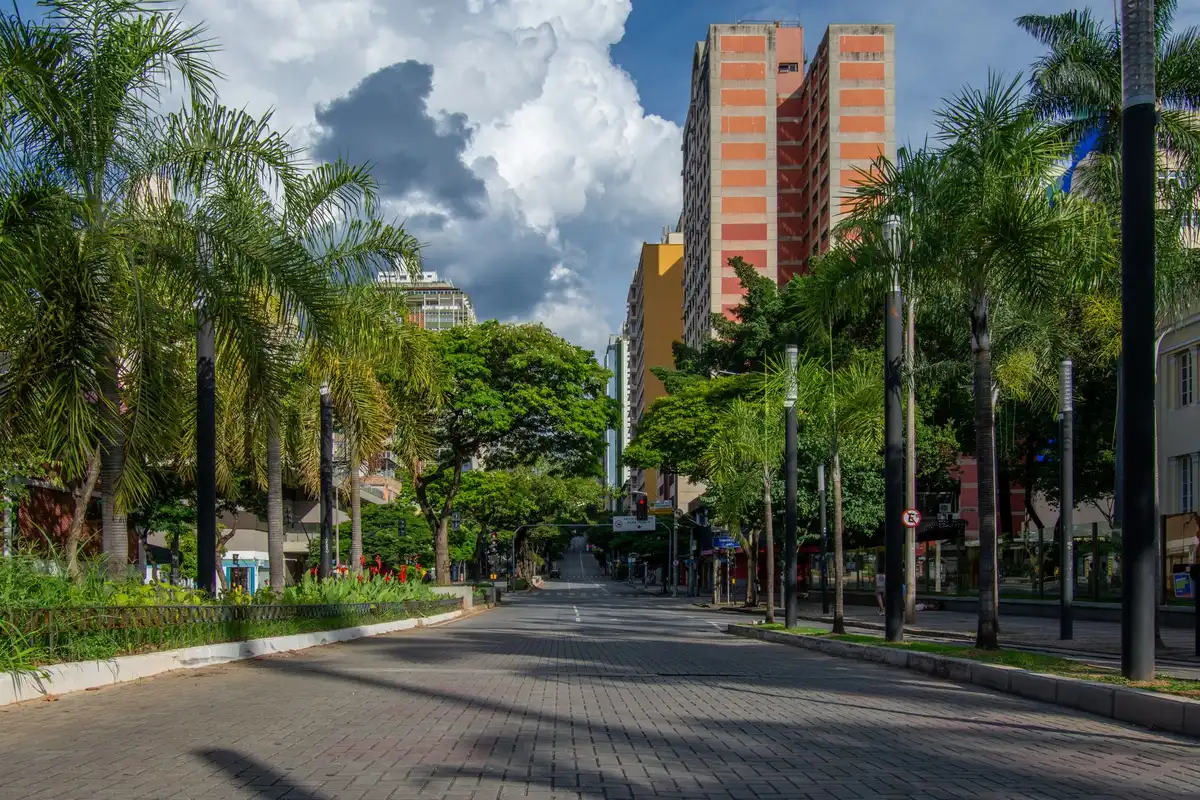
This summer has unfolded as one of the warmest on record for Oklahoma City, delivering a prolonged stretch of high temperatures that have reshaped daily routines and strained local systems. The persistent heat — and the advisories that accompanied it — matter now because they affect public health, energy use and agricultural output across the region.
Heat in context
Residents have experienced long runs of daytime temperatures commonly in the triple digits, with nights offering less relief than in past years. That pattern has translated into higher cooling needs for homes and businesses and more frequent heat alerts from weather services.
Christa Pike released from hospital after failed execution, attorneys say
Dolly Parton tribute drives Madonna Inn crowds: steakhouse unveils limited menu
Local forecasters say the current pattern is not a single spike but a sustained period of above-average warmth. For communities, that difference is important: short heat bursts can be managed, prolonged warmth compounds risks.
Immediate impacts
- Public health: Emergency departments report more heat-related visits during prolonged hot stretches, particularly among older adults and outdoor workers.
- Energy demand: Continuous high temperatures increase air-conditioning use and put pressure on the power grid, sometimes leading to conservation requests or higher prices.
- Water and agriculture: Extended heat raises irrigation needs, stresses crops and can accelerate drought conditions if rainfall remains below average.
- Outdoor work and events: Construction, landscaping and outdoor gatherings have shifted schedules to cooler parts of the day to reduce exposure.
These effects pile up: higher energy bills, tighter water supplies, and more strain on first responders and healthcare providers when heat persists for weeks.

What meteorologists and officials are advising
Weather services are urging residents to monitor heat advisories and take standard precautions: stay hydrated, limit exertion during peak heat, and check on vulnerable neighbors. Municipalities have opened cooling centers in prior heat waves and may do so again if temperatures remain extreme.
At the same time, utility operators and emergency planners are watching demand curves closely. Short-term operational measures — like urging voluntary conservation during late-afternoon peaks — can help, but planners also emphasize preparedness for prolonged high-demand periods.
Looking ahead
Forecasts through the coming weeks will determine whether this season becomes record-setting in official tallies. Even if specific records are not broken, the pattern of recurring hot spells makes clear that heat is a growing factor in local planning and personal routines.
For now, the practical takeaway for Oklahomans is straightforward: be alert to heat advisories, adapt outdoor activities, and be aware of signs of heat-related illness. Those steps reduce immediate risk while communities assess longer-term responses to increasingly frequent warm summers.