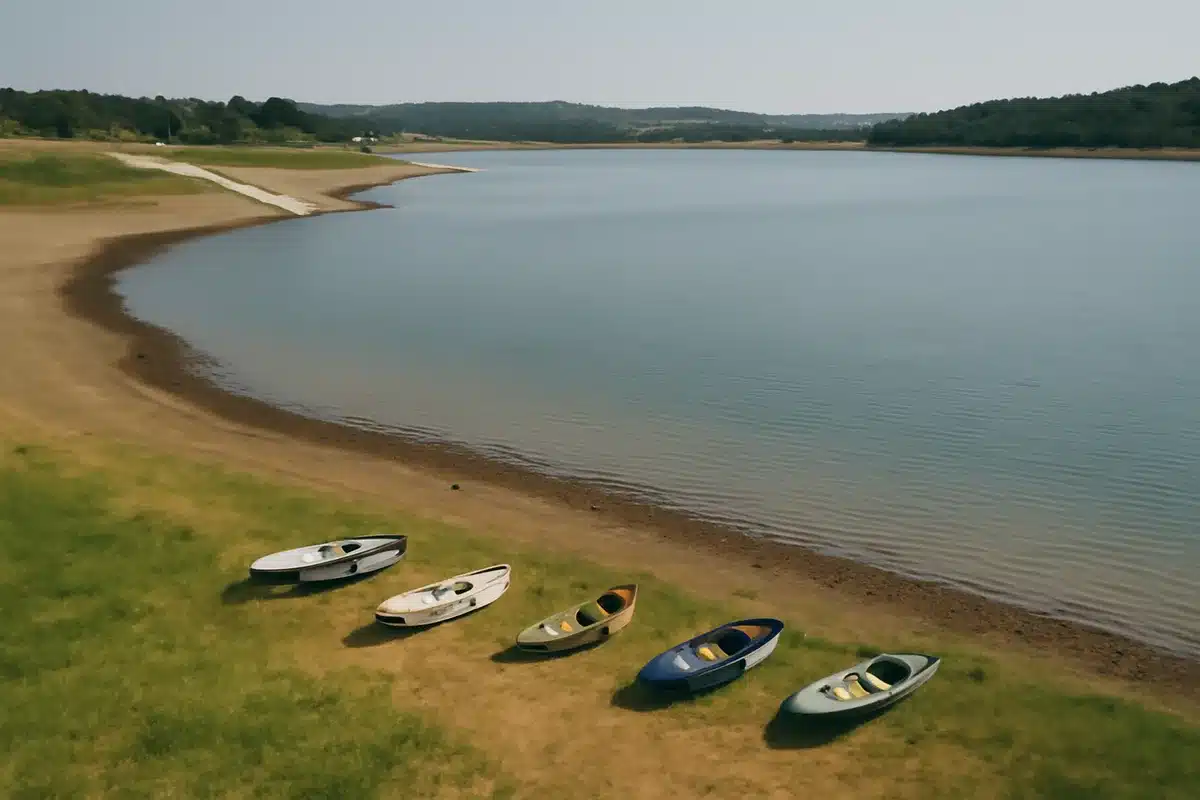
This week, state and city water managers announced they will slow planned releases from Canton Lake as an extended drought tightens supplies across central Oklahoma. The move aims to preserve stored water for municipal use in Oklahoma City, but it also raises near-term concerns for downstream users, recreation and local economies.
Officials described the step as a short-term adjustment to balance immediate needs while monitoring inflows and weather forecasts. With precipitation well below seasonal averages, managers say reducing outflow from the reservoir helps maintain a reserve that could be critical if dry conditions persist into the fall.
Canton Lake’s reduced releases have several practical consequences:
Christa Pike released from hospital after failed execution, attorneys say
Dolly Parton tribute drives Madonna Inn crowds: steakhouse unveils limited menu
- Municipal supply protection: Slower transfers prioritize drinking-water reserves for Oklahoma City and reduce the risk of emergency curtailments should drought worsen.
- Downstream impacts: Irrigators and river-dependent users may face tighter deliveries or altered timing as water managers reallocate limited flow.
- Recreation and local business: Lower lake levels and less predictable releases can affect boating, fishing and tourism around the reservoir.
- Management signals: The adjustment is an early indicator that utilities and state agencies are preparing contingency plans rather than waiting for crisis conditions.
Water managers emphasize this is not yet a forced cutback but a proactive step to avoid more severe measures later. They are watching several variables closely: recent and forecasted rainfall, inflow rates to the reservoir, and downstream demand. Those metrics will determine whether the temporary slowing becomes a longer-term strategy.
Community leaders and water users should take note. Reduced releases can change the timing and volume of deliveries to farms, municipal systems and industrial users, so stakeholders may need to revise irrigation schedules or conservation plans. For residents, the immediate takeaway is simple: expect possible advisories and be prepared to reduce nonessential water use if requested.
What to watch next:
- Announcements from city or state water authorities about restriction levels or emergency plans.
- Short-term weather outlooks—significant rainfall would ease pressure on releases.
- Updated reservoir and inflow figures that will guide further operational decisions.
Slowing releases from Canton Lake underlines how prolonged dry spells force managers to make trade-offs between drinking-water security and other uses. For now, officials say the strategy is precautionary; whether it becomes a sustained policy will depend on the coming weeks of weather and water data.