Show summary Hide summary
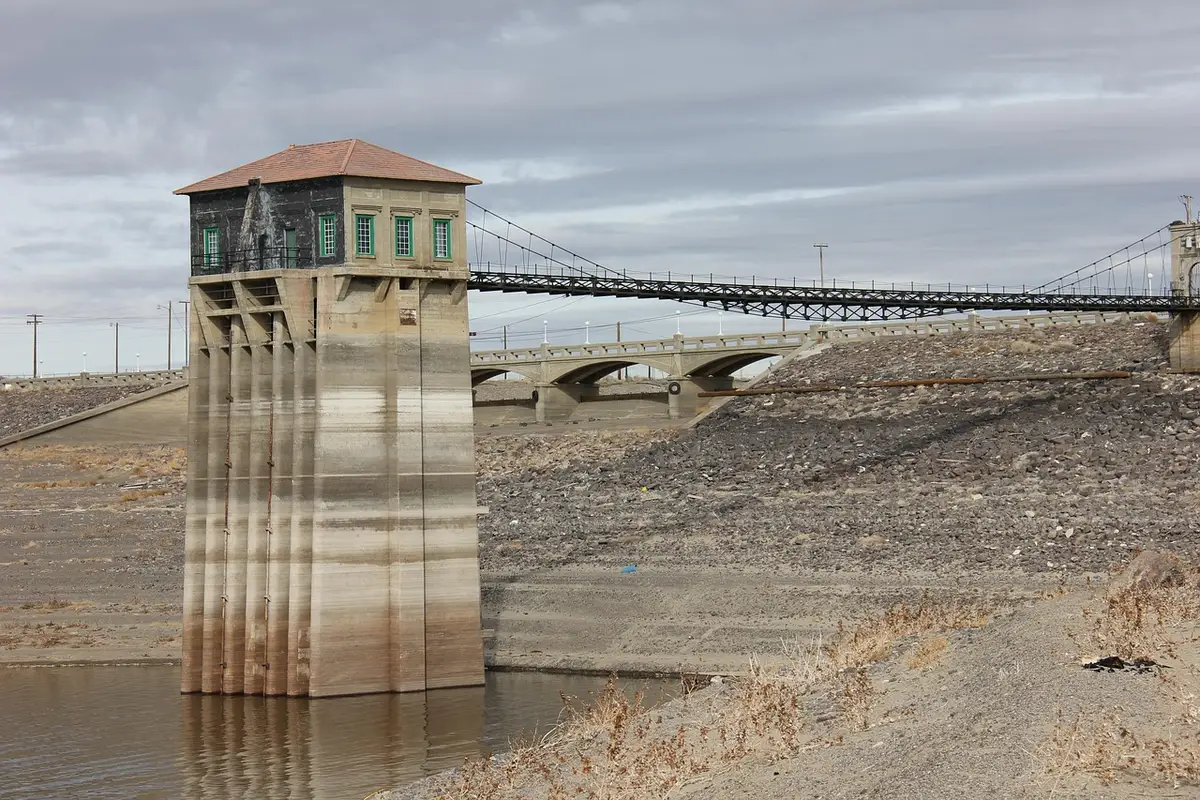
City and regional water officials say moving water from Canton Lake to Lake Hefner is proving far more difficult than expected because the channels between them are unusually dry. With riverbeds cracked and seepage rates rising after months of drought, planned transfers risk being lost before they ever reach Oklahoma City’s reservoir.
The immediate problem is physical: stretches of the river and connecting canals that normally carry pulses of surplus water are largely depleted, so a release from Canton Lake can disappear into the ground or evaporate rather than arriving at its destination. That reduces the efficiency of transfers and forces managers to weigh whether to send water at all.
Why this matters now
Christa Pike released from hospital after failed execution, attorneys say
Dolly Parton tribute drives Madonna Inn crowds: steakhouse unveils limited menu
For residents and utilities that rely on Lake Hefner as part of their municipal supply, the timing is critical. Lower-than-normal storage increases the chance of stricter conservation measures, more expensive emergency sourcing and tighter limits on lawn watering and other nonessential use.

At the same time, environmental flows that sustain fish and riparian habitats depend on connectivity. Prolonged dry reaches can fragment ecosystems, raising ecological concerns alongside the engineering challenge.
Operational headaches for water managers
Operators face multiple trade-offs. Releasing water from Canton Lake could maintain downstream water rights and meet short-term municipal needs, but in many dry channels a significant portion is lost to seepage or absorbed into parched riverbanks.

Some of the technical issues staff are grappling with:
- Unlined channel losses: water soaks into dried sediments, reducing the volume that actually travels downstream.
- Sediment and debris: dry stretches accumulate silt and vegetation that can absorb or divert flows when releases begin.
- Pumping constraints: moving water by pump around dry reaches is costly and may exceed budget or capacity limits.
- Timing and coordination: transfers must be synchronized with downstream needs to avoid unnecessary loss.
These factors mean a simple release is no longer a reliable delivery method. Instead, managers are evaluating a mix of tactics to improve the odds that water reaches Lake Hefner intact.
Alternatives being considered
Options on the table include targeted channel maintenance, temporary lining of critical reaches, smaller controlled pulses spaced over several days, and selective pumping to bypass the driest sections. Each choice carries costs and trade-offs between speed, water loss and fiscal impact.
Short-term fixes can reduce immediate losses but are not substitutes for longer-term investments in infrastructure resilience and watershed health.
Practical implications for households and businesses
Residents are likely to feel the effects first through tighter outdoor water restrictions and renewed appeals for conservation. Businesses that consume large volumes—landscaping, construction, some manufacturing—may face increased operational constraints or surcharges if utilities turn to expensive emergency sources.
- Conservation: Expect messaging to intensify and voluntary measures to become mandatory if transfers fail to boost Lake Hefner levels.
- Costs: Emergency pumping or purchased water can drive up rates for utilities or prompt temporary surcharges.
- Local ecology: Dry river reaches harm habitat continuity and may require ecological mitigation later.
Longer-term, officials say the situation underscores the need to rethink how regional water systems handle transfers during extended dry periods. Investments in lining, conveyance upgrades and more flexible source portfolios can reduce future losses, but they require planning and funding that are often slow to arrive.
For now, managers are balancing immediate needs against the risk of squandering limited water through leaks and evaporation. The choices made in the coming weeks will determine whether Lake Hefner receives enough relief to avoid tighter restrictions this season.