Show summary Hide summary
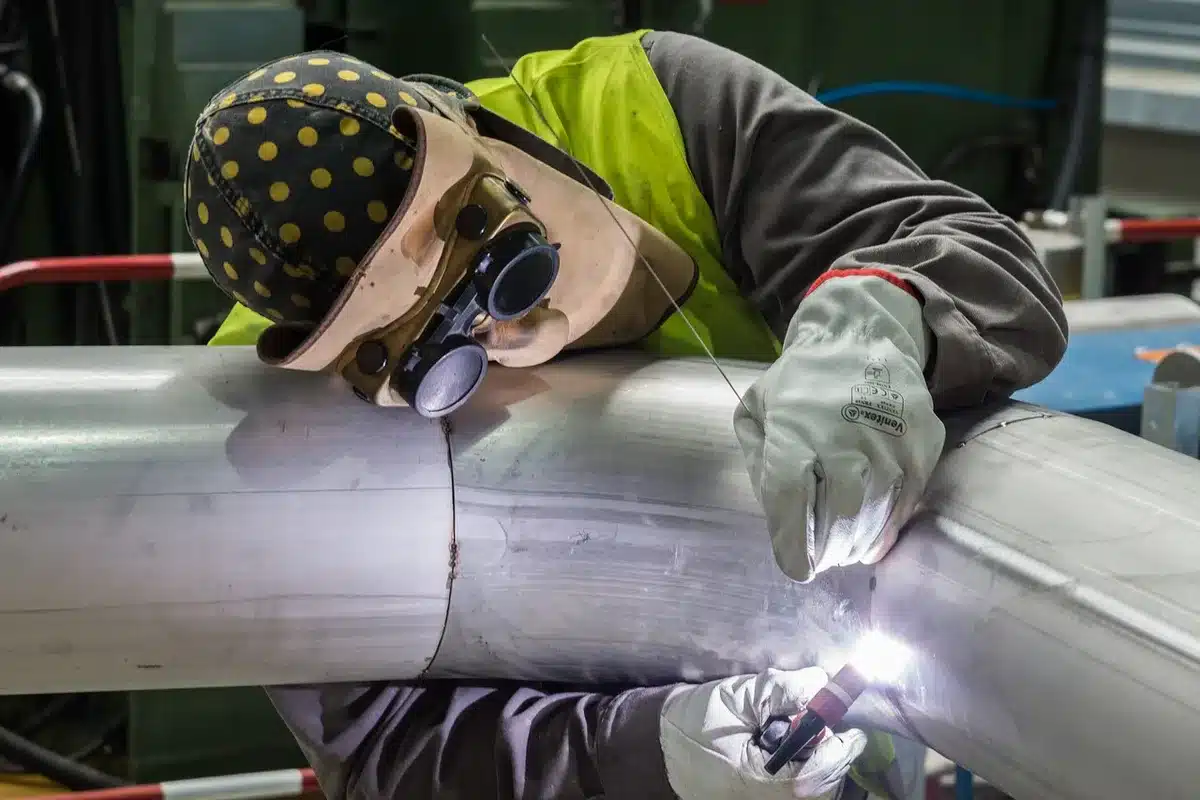
A proposal to build a metal-processing plant near the town of Inola has stirred a debate over jobs, health and land use, drawing residents, local leaders and regulators into a fraught conversation. Reporter Ben Felder visited the community to capture reactions on the ground and to outline the next steps in a process that could reshape the town’s economy and environment.
Voices from the town
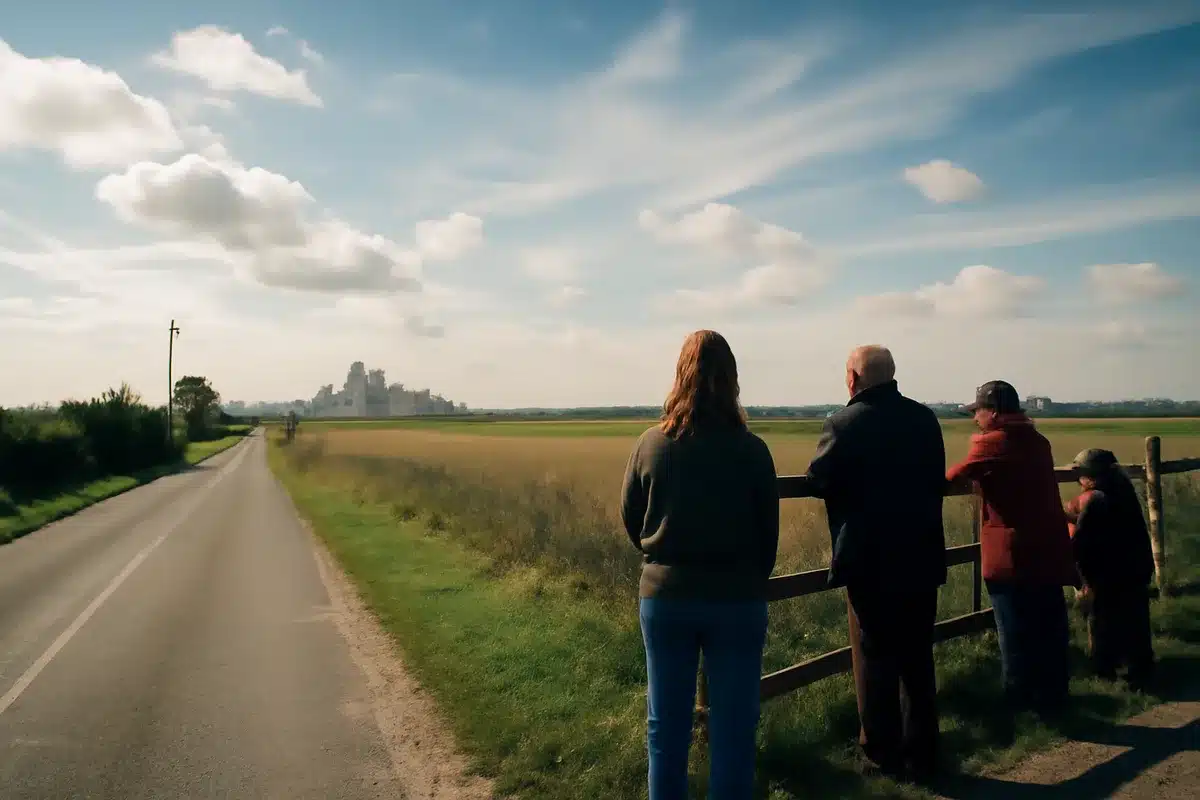
On neighborhood streets and at informal gatherings, reactions were mixed. Longtime residents described the area as quiet and rural; some worry a new industrial facility would change that character and bring noise, additional truck traffic and potential air emissions. Others said the project could deliver much-needed employment and boost local businesses.
Christa Pike released from hospital after failed execution, attorneys say
Dolly Parton tribute drives Madonna Inn crowds: steakhouse unveils limited menu

Local officials are balancing those immediate concerns with broader economic questions. Several municipal representatives told Felder they are seeking more details from the developer about projected jobs, tax revenue and site plans before endorsing or rejecting any proposal.
Regulatory path and unanswered questions
Before construction can begin, the proposal must clear a series of regulatory and permitting milestones. That process will address zoning, building permits, and a formal environmental review that evaluates air and water impacts, waste handling and long-term monitoring.

- Permitting timeline: Multiple agencies may be involved; local zoning boards, county regulators and state environmental authorities typically review such projects.
- Air and water risks: Potential emissions and industrial runoff are central public concerns; independent testing and modeled impact studies will be requested by regulators and community groups.
- Economic projections: The number of permanent and temporary jobs, wage levels, and tax benefits remain undefined in preliminary filings.
- Traffic and infrastructure: Increased heavy-vehicle traffic could require road upgrades and influence local safety and maintenance budgets.
- Property values: Homeowners are watching whether proximity to industrial operations will affect home prices and insurability.
- Community safeguards: Mitigation measures—buffer zones, emissions controls, continuous monitoring—will be central to public negotiations.
At least initially, the developer has provided limited public information, prompting demand for a full environmental impact statement and an open forum where experts can answer technical questions. Stakeholder groups in and around Inola are already organizing to ensure their concerns are heard during formal review periods.
Why this matters now
The issue goes beyond a single construction project: it tests how small towns weigh economic opportunity against public health and long-term land use. With manufacturing and resource-processing companies seeking less costly sites outside urban centers, communities like Inola are increasingly being asked to evaluate complicated trade-offs with long-term consequences.
For residents, the core question is whether projected benefits—wages, local contracting work and increased tax receipts—will outweigh potential environmental costs and quality-of-life changes. For local officials, it is about ensuring a rigorous permitting process, clear mitigation commitments and enforceable monitoring if the project moves forward.
What to watch next
Key milestones to follow in the coming weeks and months include public comment deadlines, formal permit applications, scheduled hearings before county boards, and the release of any environmental assessments. Community meetings and independent analyses will likely shape the debate as new information emerges.
Below are immediate actions residents and stakeholders typically take in cases like this:
- Attend public hearings and request technical presentations.
- File written comments during formal comment periods.
- Ask for independent air and water quality assessments.
- Demand clear mitigation and contingency plans tied to permits.
- Seek legal or technical advice through local environmental groups or consultants.
As the permitting process unfolds, transparency from the developer and diligence from regulators will determine whether the proposal proceeds and under what conditions. Ben Felder’s visit underscored that, in Inola, the debate is not abstract: it is about the immediate environment where people live and work, and about how the town wants to shape its future in the face of outside investment.