Show summary Hide summary
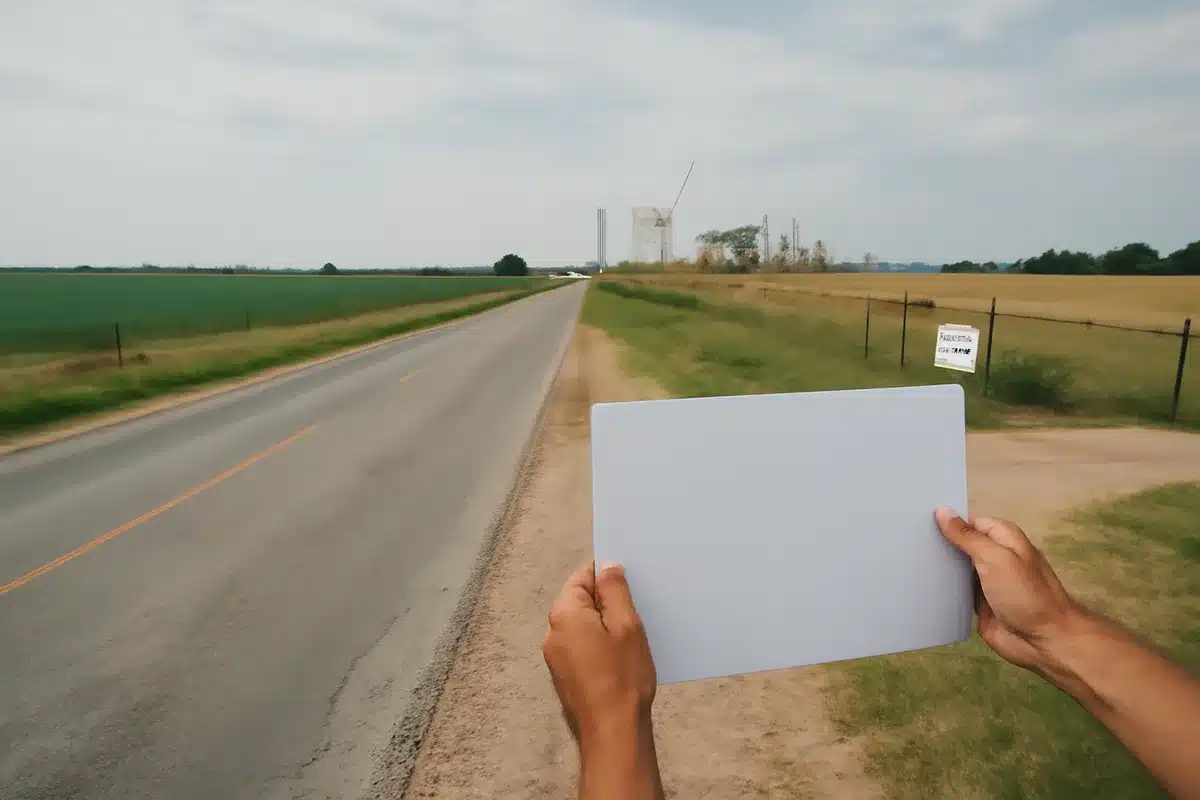
A plan to build a large metal-smelting plant in rural Oklahoma—promoted by allies of Donald Trump—has become a flashpoint in state politics, forcing a broader debate over land rights, environmental safeguards and who benefits from economic development. The controversy is reshaping alliances within the GOP and mobilizing landowners and small-town voters ahead of upcoming local and statewide races.
Why this matters now
The proposal landed in public view in recent weeks, just as Oklahoma lawmakers begin crafting policies that will decide how industrial projects are approved and where they may locate. Supporters cast the project as a job-creating investment for struggling counties; opponents warn it could repeat past mistakes of permitting heavy industry without adequate oversight. For many residents, the dispute is less about metallurgy than about control over local land and the power to say no.
Christa Pike released from hospital after failed execution, attorneys say
Dolly Parton tribute drives Madonna Inn crowds: steakhouse unveils limited menu
Local backlash, national implications
Farmers and homeowners near the proposed site have organized meetings, filed petitions and pushed county officials for stronger zoning review. Those actions have drawn attention from state Republican leaders and national political operatives alike, because the controversy dovetails with larger narratives about property rights and distrust of centralized decision-making.
Critics emphasize potential environmental harms—dust, groundwater risks and long-haul truck traffic—while proponents point to promised payrolls, infrastructure investment and broader supply-chain claims tied to domestic manufacturing. That tension is polarizing precincts that have voted reliably conservative for years, creating openings for challengers who frame themselves as defenders of local control.
What officials are weighing
County commissions, state agencies and a handful of lawmakers are now parsing permitting standards, setbacks and monitoring requirements. At the core of the debate is whether the project should be evaluated under standard industrial rules or subjected to enhanced review because of its size and proximity to residential and agricultural land.

- Economic promise: Backers argue the smelter could bring construction jobs, permanent skilled positions and tax revenues to rural areas.
- Environmental concerns: Residents and environmental groups seek stricter emissions limits, continuous monitoring and contingency plans for water contamination.
- Property rights debate: Landowners say allowing large industrial projects near farms sets a precedent that weakens local land-use control.
- Political stakes: The issue is reshaping candidate endorsements and may influence voter turnout in local elections.
How the political dynamic is shifting
Traditionally aligned with a pro-development stance, some Republican elected officials are now navigating between the project’s economic appeal and growing pushback from their own constituencies. That split has produced unusual alliances: conservation-minded conservatives working with independent local leaders, and national political interests offering public backing for the plant.
For state-level politicians, the choice is tactical as well as ideological. Supporting the smelter could satisfy industry-oriented donors and national figures who tout domestic production. Opposing it—or demanding tougher safeguards—can be framed as standing up for voters who feel overlooked by rapid industrial expansion. Both positions carry electoral risk in towns where livelihoods and long-term land values are at stake.
Voices from the community
Meetings at town halls and county courthouses have seen turnout unusual for local planning discussions. People who seldom attend civic gatherings are asking detailed questions about air quality modeling, compensation for property damage and the timeline for construction. That grassroots energy has translated into formal requests for environmental impact assessments and legal opinions about eminent domain and zoning authority.
Tribal governments and regional water authorities have also signaled interest in the review process, underscoring that decisions about heavy industry often extend beyond immediate municipal borders.
What to watch next
Regulators’ next steps will be decisive: granting standard permits, imposing additional conditions, or sending the proposal back for redesign. Legal challenges are likely if approvals are perceived as rushed. Meanwhile, candidates in local and state races will use the issue to define themselves on jobs versus stewardship, a choice that could influence voter turnout and party cohesion.
The smelter debate in Oklahoma is a test case for how rural communities reconcile promises of new investment with long-standing expectations about land use and local control. It also highlights a broader national theme—how industrial policy packaged as economic revitalization can become a prism for political realignment.
For residents, the unresolved question remains practical: who decides the future use of the land where they live and work, and how will the costs and benefits be measured and distributed?