Show summary Hide summary
The controversy over a planned aluminum smelter in Inola has become the headline issue in Oklahoma’s Republican runoff, forcing both frontrunners to revisit long-standing records on regulation, industry and environmental oversight. Voters are now being asked to choose between promises of economic growth and concerns about pollution, foreign investment and community health.
A deposition now shaping a political argument
Records from a March 2020 deposition show Gentner Drummond was defending a lawsuit after an herbicide application on his ranch killed tens of thousands of trees on adjacent federal land. During the proceeding, he downplayed the value of trees on private property—an exchange that opponents and reporters have cited as they scrutinize his environmental views.
Christa Pike released from hospital after failed execution, attorneys say
Dolly Parton tribute drives Madonna Inn crowds: steakhouse unveils limited menu
After winning election as attorney general, Drummond took a combative approach to federal environmental policy, repeatedly suing the U.S. EPA to block regulations he said would harm Oklahoma’s economy. That litigation record has typically aligned him with business and property-rights interests.
New opposition to the Inola project
But this summer Drummond pivoted, filing a state lawsuit aimed at stopping construction of the proposed Inola aluminum plant. The filing frames the case around enforcement of state nuisance and pollution laws and the health risks to nearby families and ranchers.
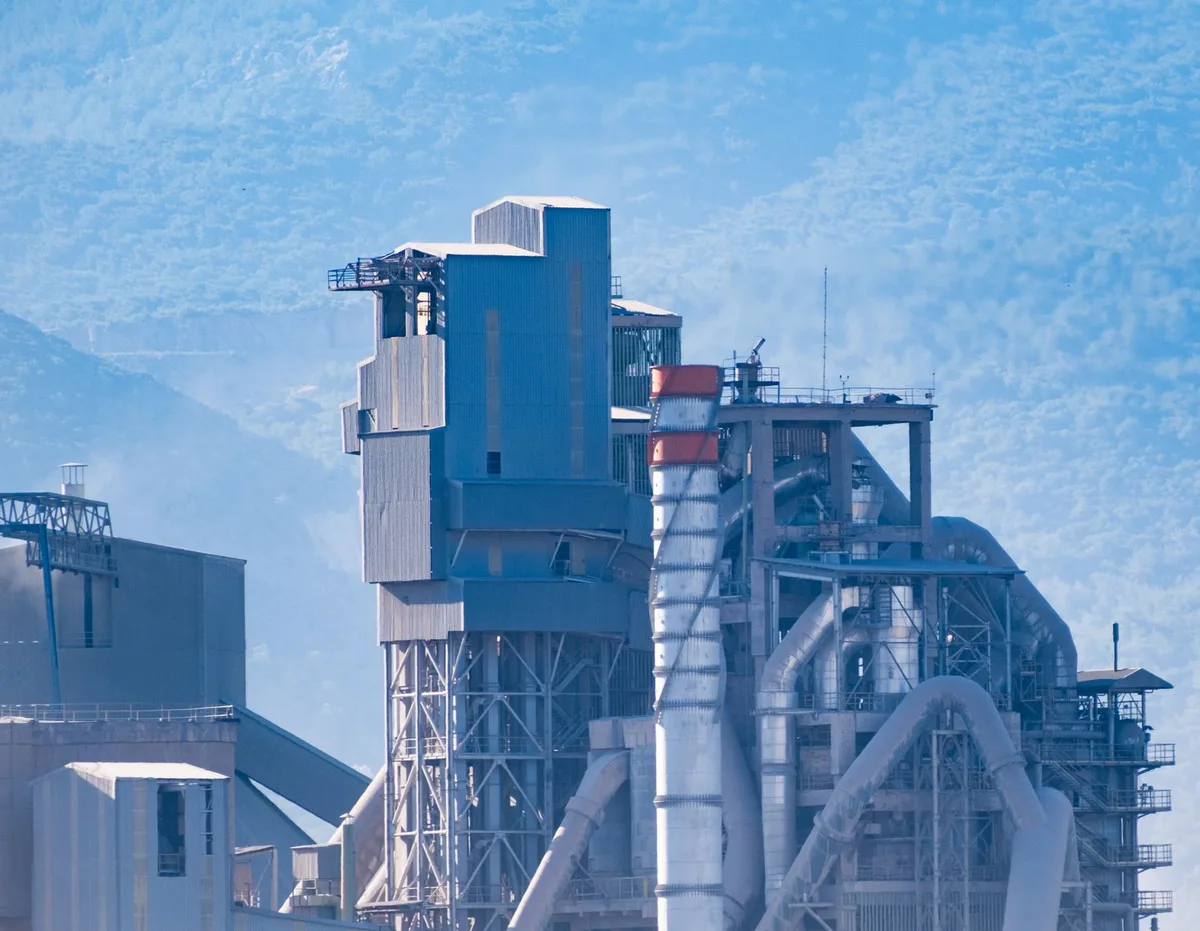
Campaign aides say the legal action reflects specific concerns about projected emissions and the plant’s potential scale; Drummond has also raised questions about the identity and role of some out-of-state investors backing the project.
Mazzei’s changing posture on energy incentives and the plant
Mike Mazzei, Drummond’s opponent in the Aug. 25 GOP runoff, has promoted a pro-business stance that includes rolling back tax incentives he calls favors for “green energy.” That rhetoric contrasts with his legislative record: Mazzei authored a 2010 bill that reinstated tax credits for wind projects.
Earlier this year Mazzei criticized the Inola project because of its ties to companies based in the United Arab Emirates. Within weeks, he shifted to publicly endorsing the plant as a major employer for Oklahoma after receiving a high-profile endorsement from former President Donald Trump, who has claimed a role in securing the investment.
Both campaigns now say they want stronger oversight if the smelter proceeds. Drummond has signaled he could accept the project with more technical data; Mazzei has conditioned his support on independent reviews of permitting and ongoing third-party monitoring of pollution impacts on nearby farms and communities.
| Candidate | Recent stance on the Inola smelter | Past environmental actions | Conditions required |
|---|---|---|---|
| Gentner Drummond | Filed state lawsuit to block construction; raised pollution and ownership concerns | Sued the U.S. EPA multiple times as attorney general; defended property-rights positions | Has requested additional operational and emissions data before endorsing |
| Mike Mazzei | Initially criticized the project’s foreign ties, later endorsed it publicly | Advocated ending some green-energy tax breaks; authored a 2010 bill restoring wind credits | Calls for third-party review of permits and continuous independent pollution monitoring |
Timeline: Key dates that shaped the debate
- March 10, 2020 — Deposition related to herbicide damage on federal land involving Drummond
- April 21, 2026 — Former President publicly praises the Inola investment
- May 29, 2026 — Mazzei posts public support for the smelter; hours later receives Trump’s endorsement
- June 2026 — Drummond files a state lawsuit seeking to halt the plant’s construction
- Aug. 13, 2026 — Drummond signals potential openness to the project if operators supply more data
- Aug. 25, 2026 — Republican runoff that will test which approach voters prefer
The Inola plant debate crystallizes several broader themes: how state leaders balance job creation with environmental safeguards, how foreign investment is viewed in politically sensitive industries, and whether enforcement of state pollution laws will shift under a new governor.
For voters, the practical questions are immediate—how many jobs will be created, what emissions will the facility generate, who will own and control operations, and what independent oversight will exist. Those concrete trade-offs, rather than campaign rhetoric, are likely to decide how influential the smelter issue will be in the runoff.
Why this matters now: The dispute has turned a local development into a statewide referendum on regulatory priorities and economic strategy at a moment when the next governor could reshape Oklahoma’s enforcement posture and business climate.