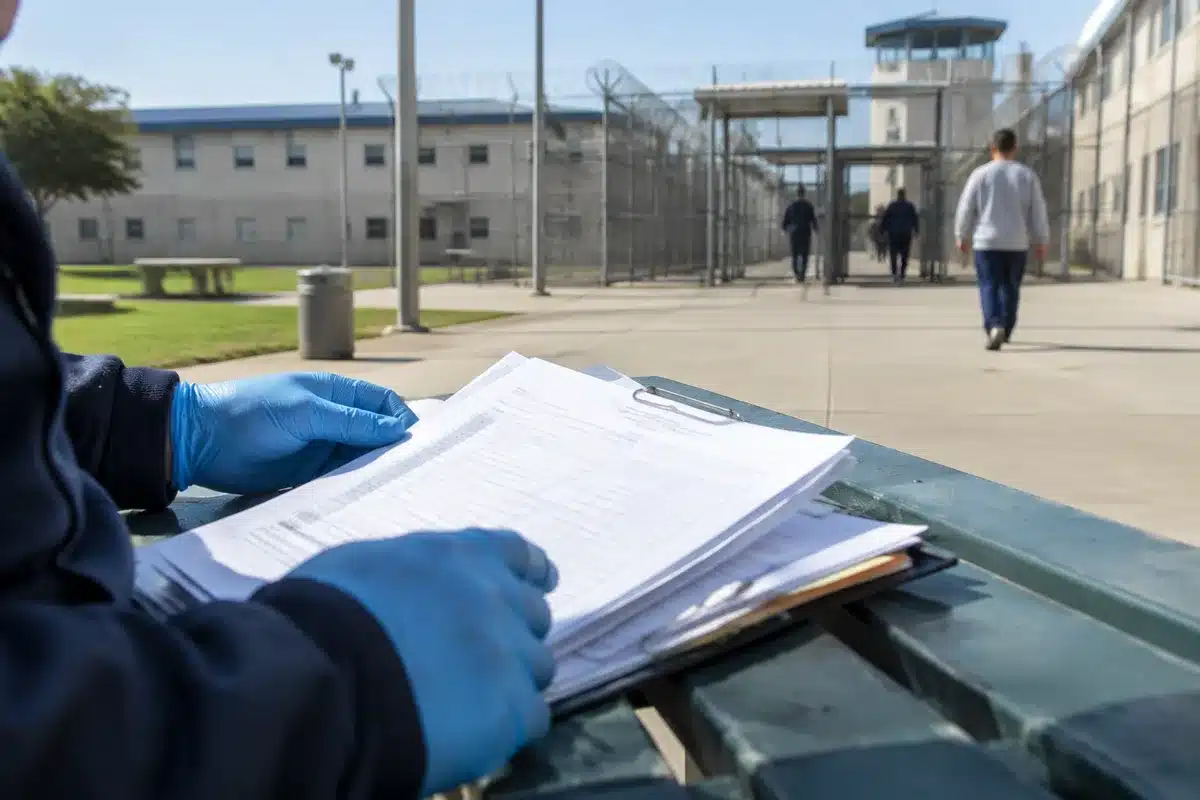
Gov. Kevin Stitt has asked state agencies to examine Muslim organizations operating in the state, a move that immediately raises questions about government oversight of religious communities and the legal boundaries of such inquiries. The request matters now because it intersects with broader debates over public safety, civil liberties and the trust between minority communities and state institutions.
What is public so far
A state-level directive from the governor’s office initiated an inquiry into Muslim groups, but officials have provided limited detail on the scope, timeline or the agencies involved. That lack of specifics leaves key questions unanswered about whether the effort targets particular activities, funding sources or external influence, and whether it will involve law enforcement, licensing officials or other regulatory bodies.
Why this is significant
State scrutiny of religious organizations touches on constitutional protections: the First Amendment bars government actions that single out a faith without a compelling, legally supported reason. Separately, investigations that feel intrusive can deter civic participation and strain relationships between communities and government actors.
Christa Pike released from hospital after failed execution, attorneys say
Dolly Parton tribute drives Madonna Inn crowds: steakhouse unveils limited menu
Legal and oversight considerations
Legal experts say searches or audits of religious groups require clear legal justifications and procedural safeguards. Courts typically examine whether the state has probable cause, whether the inquiry is neutral and generally applicable, and whether less intrusive alternatives exist.
Community and political implications
Requests like this often prompt mixed responses. Some residents and lawmakers may view heightened oversight as a precautionary security step; others worry it could stigmatize an entire faith community, increasing fear and suspicion. For Muslim residents, the immediate concern is whether congregational activities, charitable giving or interfaith work might be swept into an expansive probe.
Questions left unanswered
– Who will lead the review and which state agencies are involved
– What specific criteria or allegations prompted the request
– Whether the inquiry will be public and subject to independent oversight
– Protections for congregants’ privacy and legal rights during the inquiry
– How findings, if any, will be used or disclosed
What to watch next
Officials’ next public statements, any released records or formal agency directives will clarify the review’s legal basis and limits. Court filings, legislative responses or statements from civil-rights organizations are likely to shape both the legal and political fallout.
Why readers should care
When state power intersects with religion, the stakes include constitutional rights, community trust and the rule of law. Clear facts and transparent procedures are essential to ensure public safety without eroding fundamental freedoms.