Show summary Hide summary
Oklahoma Gov. Kevin Stitt’s Aug. 12 directive asking state security agencies to investigate the Council on American‑Islamic Relations and the Muslim Brotherhood has unsettled Muslim leaders, faith groups and some Democrats — and arrived as Republican primary politics intensify. The executive order raises immediate questions about evidence, civil‑liberties risks and how state resources will be used during an election year.
Imad Enchassi, senior imam at the Islamic Society of Greater Oklahoma City, said members of his community were surprised and hurt by the governor’s move, given prior meetings and official engagements between Stitt and Muslim leaders. Community advocates say the order singles out organizations without providing the public record of any specific wrongdoing.
What the order says — and what it asks agencies to do
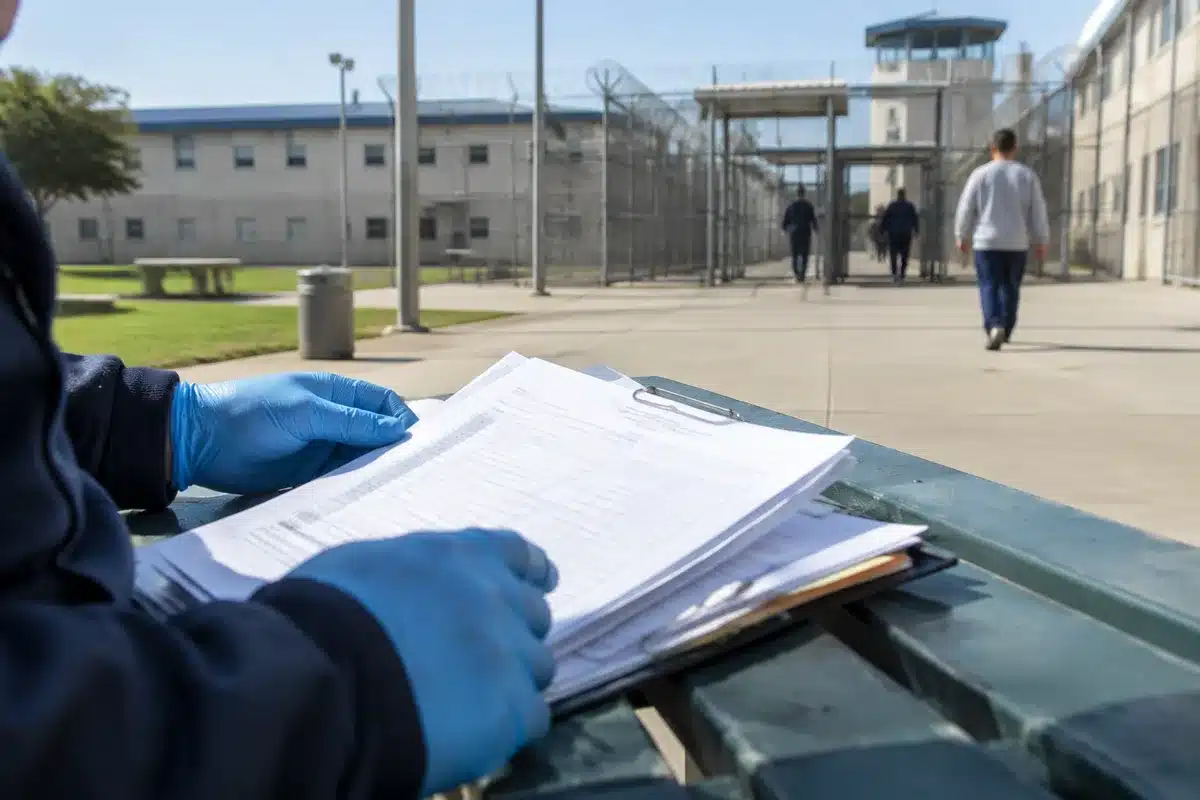
The directive asks the Oklahoma Department of Public Safety and the Office of Homeland Security to look for ties between Oklahoma residents and the two named organizations and to report back to state officials. The governor has not publicly cited a trigger or new intelligence that prompted the action.
Christa Pike released from hospital after failed execution, attorneys say
Dolly Parton tribute drives Madonna Inn crowds: steakhouse unveils limited menu
- Agencies involved: Oklahoma Department of Public Safety; Oklahoma Office of Homeland Security.
- Targets named: CAIR and the Muslim Brotherhood, plus any Oklahomans alleged to have connections to them.
- Immediate concerns: potential profiling of Muslim residents, use of state investigative resources without disclosed evidence, and legal exposure for the state.
Legal and civil‑rights groups note that law enforcement already investigates credible threats; they say an executive order naming faith‑based organizations without public evidence risks stigmatizing whole communities.
Political context: an election year and similar moves in other states
Stitt’s action comes as Republicans in Oklahoma and elsewhere have amplified rhetoric around Islamist organizations. Days before the order, Stitt publicly endorsed GOP candidate Mike Mazzei, who during a debate had pledged to label CAIR and the Muslim Brotherhood as terrorist entities if elected governor.
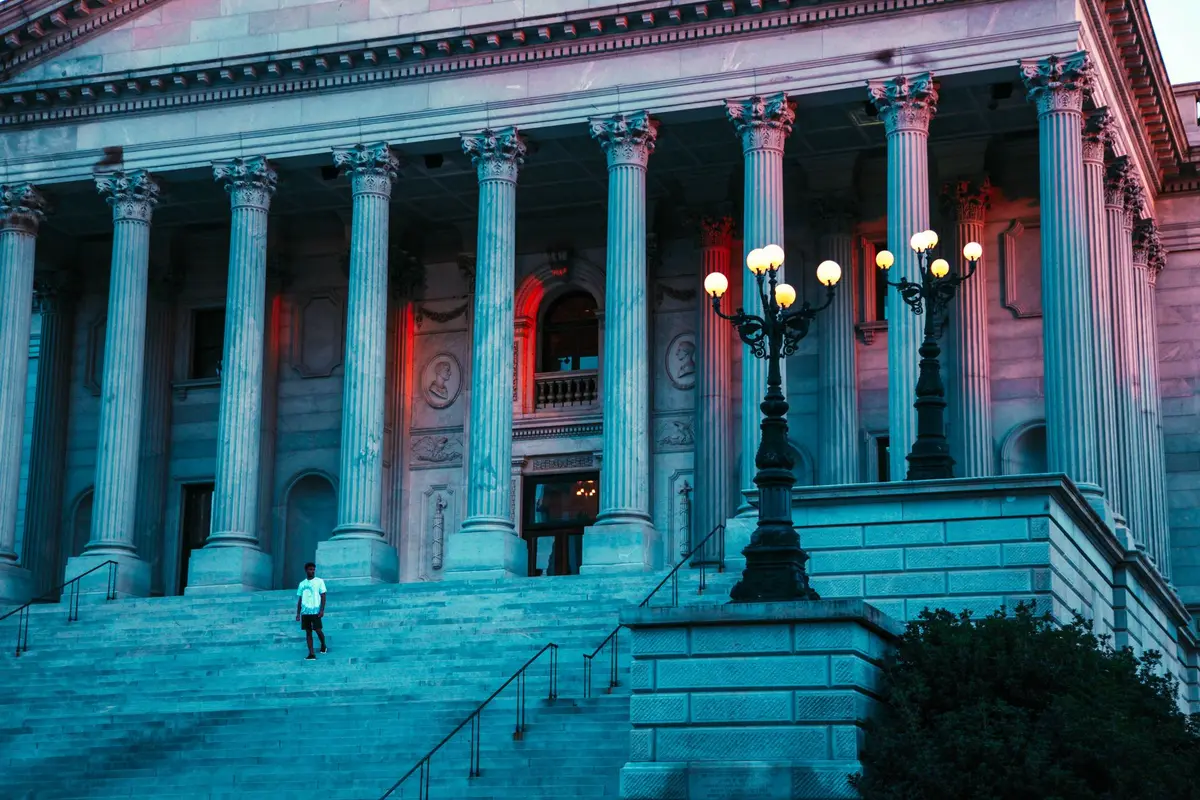
Nationally, states run by Republican governors have taken comparable steps: in 2026 Florida enacted a law designating CAIR and its state chapter as terrorist groups, and Texas Gov. Greg Abbott issued a similar declaration. Both measures prompted lawsuits from civil‑rights organizations and CAIR affiliates; legal challenges remain active.
| State | Action | Legal response |
|---|---|---|
| Oklahoma | Executive order instructing state agencies to investigate ties to CAIR and Muslim Brotherhood (Aug. 12, 2026) | Order issued without public evidence; civil‑rights groups have criticized it and signaled potential legal scrutiny |
| Florida | Statute labeling CAIR and CAIR‑Florida as terrorist organizations (2026) | CAIR and allies filed suit with ACLU and SPLC |
| Texas | Governor declared CAIR and the Muslim Brotherhood terrorist organizations (Nov. 2025) | Lawsuits filed by Muslim Legal Fund of America and CAIR Legal Defense Fund |
Voices from the state
CAIR‑Oklahoma’s executive director, Veronica Laizure, described the organization as a civil‑rights group with a long record of advocacy in the state, arguing the governor’s order relies on unfounded claims and will chill community engagement. She highlighted CAIR‑OK’s work challenging an anti‑Islam amendment in state courts and recent local legal actions defending mosque projects.
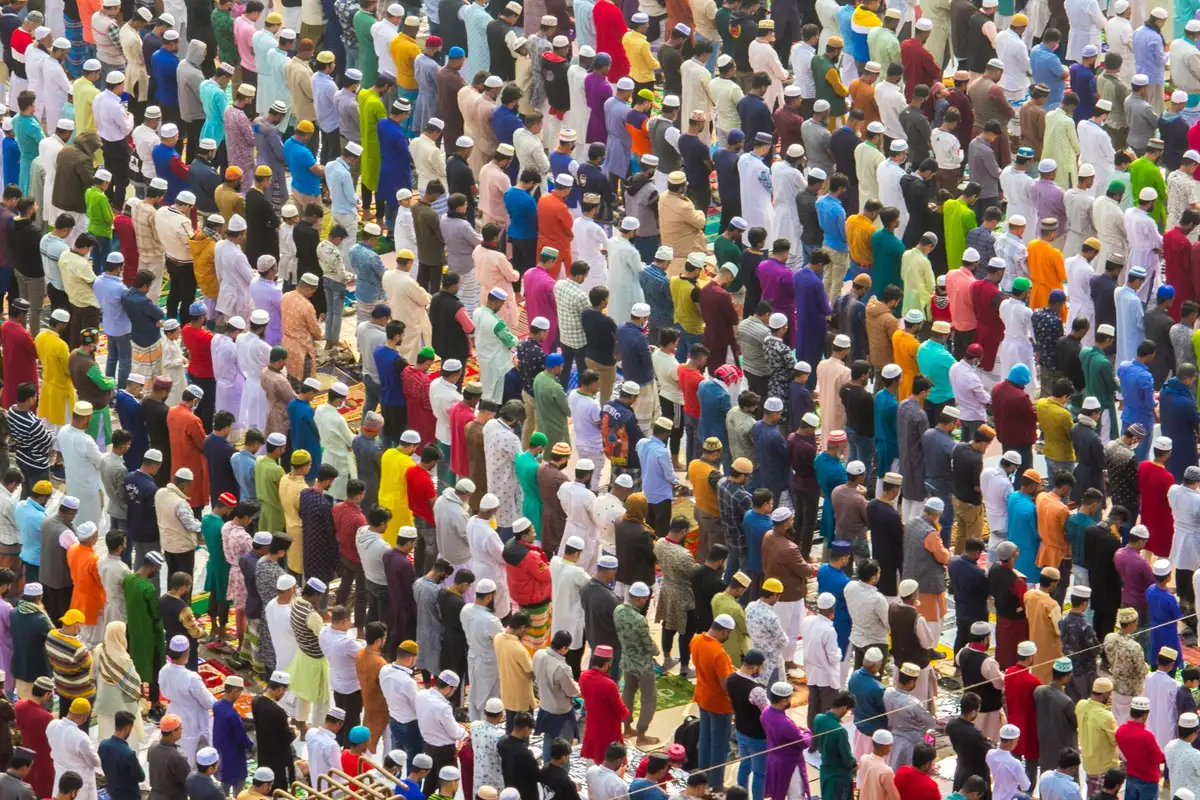
State and religious leaders from multiple faiths also reacted. The Interfaith Alliance of Oklahoma called the order “deeply concerning,” saying it was issued without presented evidence and risks harming Muslim neighbors. The Rev. Shannon Fleck, who leads a national faith‑based social‑justice organization but previously worked in Oklahoma, warned the move fuels division and undermines long‑standing local relationships.
By contrast, conservative activists and several Republican officeholders praised the executive order as a precaution. Some supporters framed the investigation as a necessary step to guard public safety and sovereignty; others contextualized it within broader campaigns opposing perceived foreign influence.
Possible consequences and legal questions
Observers identify several immediate implications:
- Potential lawsuits challenging the order as discriminatory or unconstitutional if investigations single out groups based on religion rather than credible evidence.
- Strained relations between state government and Muslim communities that have previously participated in civic events at the Capitol.
- Political fallout ahead of the governor’s final months in office and competitive statewide primaries for his successor.
Legal experts note investigators can and should pursue verified leads about criminal activity, but they caution that using an executive order to single out organizations by name without public justification risks constitutional challenges and community harm.
Context on the groups named
The Muslim Brotherhood began in Egypt in 1928 as a political movement; its branches and offshoots have evolved over decades, and some related groups have been designated terrorist organizations by the U.S. government. The scope of the Brotherhood’s involvement, if any, in Oklahoma is unclear; state officials have not provided evidence tying the movement to local activity.
CAIR was founded in 1994 and describes itself as a civil‑rights and community‑engagement organization for American Muslims. It tracks anti‑Muslim bias nationwide; CAIR reported that in 2025 it received 8,683 complaints alleging anti‑Muslim incidents, marking a multi‑year upward trend in reported harassment.
What leaders say about fairness and security
Imam Enchassi framed the issue as a matter of principle: if wrongdoing exists, it should be investigated, he said, but not by treating entire communities as suspect. Other lawmakers and community leaders echoed that sentiment, arguing for transparency and evidence before deploying state power against organizations.
Rep. Gabe Woolley and several conservative pastors praised Stitt’s action as overdue. Campaign officials for Attorney General Gentner Drummond — a potential gubernatorial contender — said they welcome steps to confront perceived foreign influence, signaling that the issue has become central to the state’s Republican primary debates.
Sen. Julia Kirt, a Democrat from Oklahoma City, urged restraint and warned that the order, issued without public evidence, risks making Muslim Oklahomans targets of increased suspicion and discrimination.
Why this matters now
Beyond the immediate legal and political disputes, the episode underscores how national debates over security, identity and faith are filtering into state policy. With lawsuits already challenging similar actions in other states and an election season underway, the stakes include not only civil‑liberties precedents but also the tenor of community relations across Oklahoma.
As agencies begin their review, the central questions remain: what information prompted the order, how will investigations be conducted to avoid religious profiling, and whether courts will be asked to weigh in. Those answers will determine whether the directive prompts concrete security findings or instead becomes the subject of prolonged litigation and public debate.