Show summary Hide summary
Trigger warning: this report includes descriptions of antisemitic, ableist, homophobic and Islamophobic language and gestures. On Oct. 21, Turning Point USA’s “America: Love It or Leave It” tour brought conservative figures to Cal Poly’s Performing Arts Center and reignited a fraught campus debate over speech, safety and who belongs on university grounds.
The event, which drew both supporters and roughly 70 protesters who stood in the rain outside, matters because it exposed lingering tensions between free-speech claims and the lived safety of marginalized students — and because speakers used sharply divisive rhetoric less than two weeks before a major national election.
What happened at the PAC
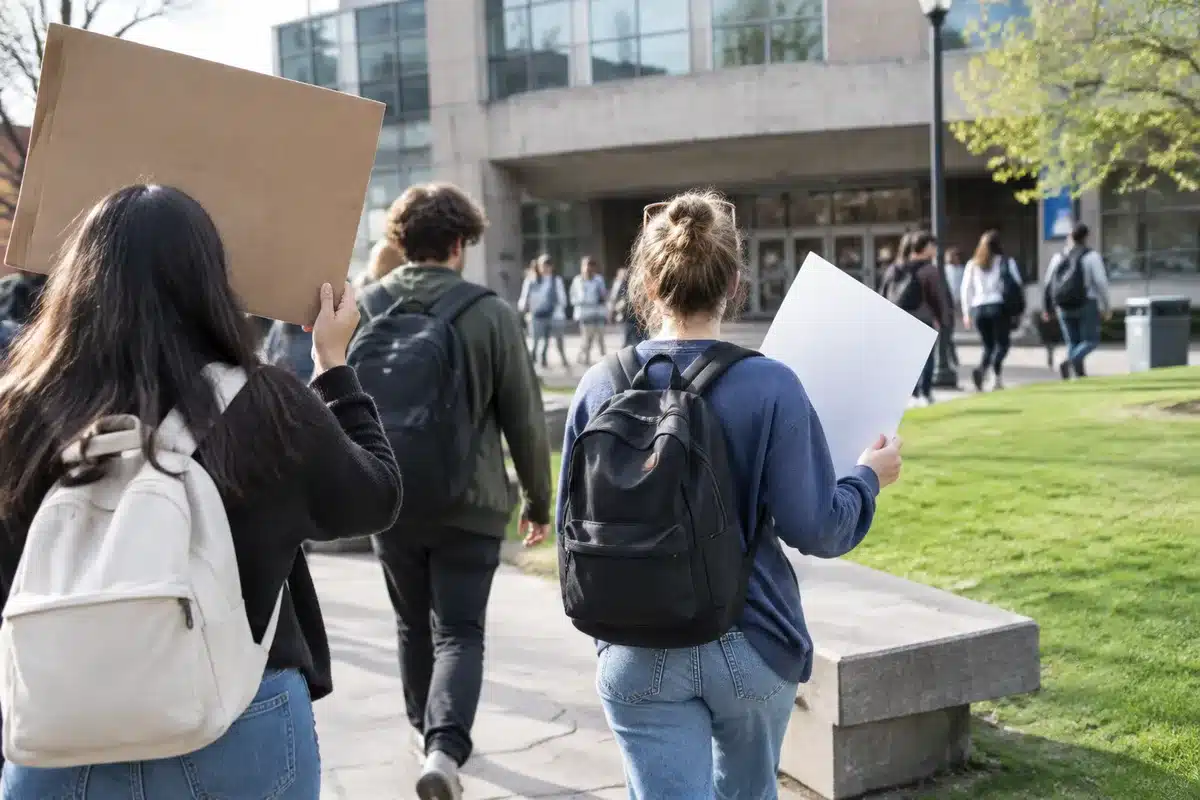
Doors opened around 5:30 p.m., and the auditorium filled quickly; officials declared the venue at capacity at 6:37 p.m. Inside, the lineup included activist and campus chapter leaders, influencers and a former senior intelligence official. Outside, students and community members organized a steady demonstration, carrying signs and chanting as attendees filtered past.
Lead azide detonation at Iowa plant set for Wednesday: Army to destroy explosive stockpile
Turning Point USA draws hundreds: more than 70 protesters gather outside
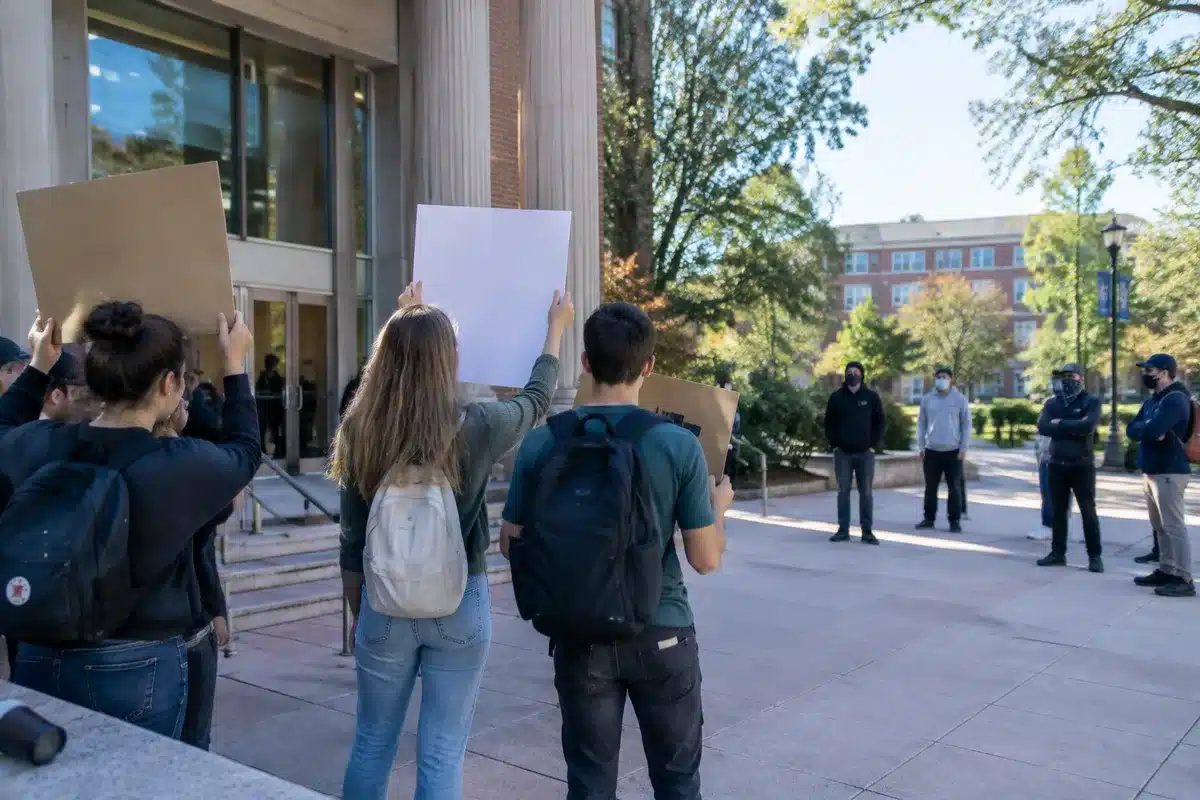
Protesters held messages such as “Stop hate speech,” “Protect queer youth” and “Keep hate out of Cal Poly.” At times the crowd and eventgoers clashed verbally; some attendees reportedly made Nazi-style salutes toward protesters, who responded with chants including “No IDF, no KKK, no fascist USA.”
Speakers and the controversy
On stage, speakers addressed gender identity, Islam and civic participation. Ally Appel, president of Cal Poly’s local chapter of Turning Point USA, opened by invoking the organization’s stated goal of promoting debate. Later, the roster included Will Witt, Riley Gaines, Nick Shirley and Tulsi Gabbard.
Witt criticized recent institutional name changes and described them as part of a broader cultural shift he attributes to the political left. During his remarks he mocked the Boy Scouts’ new name and used language that attendees and campus groups labeled transphobic.
Gaines framed unrest abroad as a security and cultural threat, linking protests in Paris to extremist actors and asserting that aspects of Sharia law foster practices she said were harmful. Muslim Student Association president Amir Saatchi called those comments “Islamophobic” and said the remarks mischaracterized the faith and its followers.
Tulsi Gabbard closed the program with a call to vote, reminding attendees that elected officials are accountable to citizens. “We are the ones that have the power to hire and fire politicians,” she told the crowd.
Campus reactions and consequences
Student organizers and campus groups condemned the event as hostile toward marginalized communities. The Cal Poly Democrats published a statement arguing the speakers frequently target immigrants, queer people and students of color, and the Pride Center temporarily closed its on-campus space for safety concerns.

Several students described feeling unsafe moving around campus while the event took place. Arabela Damarillo, an English major, said friends who are queer or people of color avoided walking near the venue because they feared being mocked or harassed.
- Attendance and timing: Doors opened ~5:30 p.m.; PAC was called full at 6:37 p.m.
- Main speakers: Will Witt, Riley Gaines, Nick Shirley, Tulsi Gabbard; remarks touched on gender, Islam and civic duty.
- Controversial rhetoric: Speakers used language that campus groups labeled Islamophobic and transphobic.
- Protests and confrontations: ~70 protesters remained outside in rain; some attendees reportedly made Nazi-style salutes.
- Campus response: Student organizations and centers criticized the university for hosting the event and took protective measures.
Organizers of the protest said their presence was intended to push back against rhetoric they view as harmful to immigrants, queer students and students of color. One organizer noted that the event did not reflect the values of the broader campus community and said the protest aimed to make that visible.
Not every attendee shared the same impression; a local resident who came to listen said he believes in treating everyone with respect and that the event was an opportunity for frank political discussion.
Why this matters now
Beyond the immediate clash of slogans and signs, the episode underscores a recurring national dilemma for universities: balancing open debate with the safety and inclusion of vulnerable students. The confrontation at Cal Poly echoes similar incidents on other campuses, where outside political groups, provocative rhetoric and student activism collide — often forcing administrators to make difficult choices about venue access and policing.
With elections approaching and campus recruitment by national organizations increasing, universities can expect more events that test the line between protected speech and targeted harassment. How Cal Poly and other institutions respond will shape campus climate and student trust in the months ahead.
Audio and on-scene video accompany this report, documenting both the presentations and the protests that unfolded in and around the PAC.