Show summary Hide summary
The November edition of VeloCity lays out several concrete efforts shaping Oklahoma City’s near-term priorities — from deeper ties to the military community to moves that could expand tourism and sports-driven economic activity. These developments matter because they touch local jobs, public investments, and how the city markets itself to visitors and businesses in 2027.
Inside the issue, the Chamber spotlights initiatives, events and partnerships that will influence policy and growth over the coming year. Key items include:
- Tinker Air Force Base — new regional coordination and a monthly briefing intended to tighten civilian–military collaboration.
- Military Family recognition — a leadership message acknowledging the economic and social role of service members and their families.
- Chamber calendar — the Annual Meeting in mid-December and a Legislative Kickoff in January to preview the 2027 session.
- Sports accolades — national and international recognition that could boost event hosting and venue visibility.
- Peer-city learning — a delegation’s trip to San Diego to study housing, transit and homelessness strategies.
- Accessible tourism — expanded assessments with Wheel the World to improve travel options for visitors with mobility needs.
- Economic outlook — experts weighing workforce, infrastructure and investment as drivers of continued growth.
Oklahoma City military community: city unveils major plan to boost veteran services
Richard Glossip: court records outline alleged role in 1997 killing
Strengthening military ties
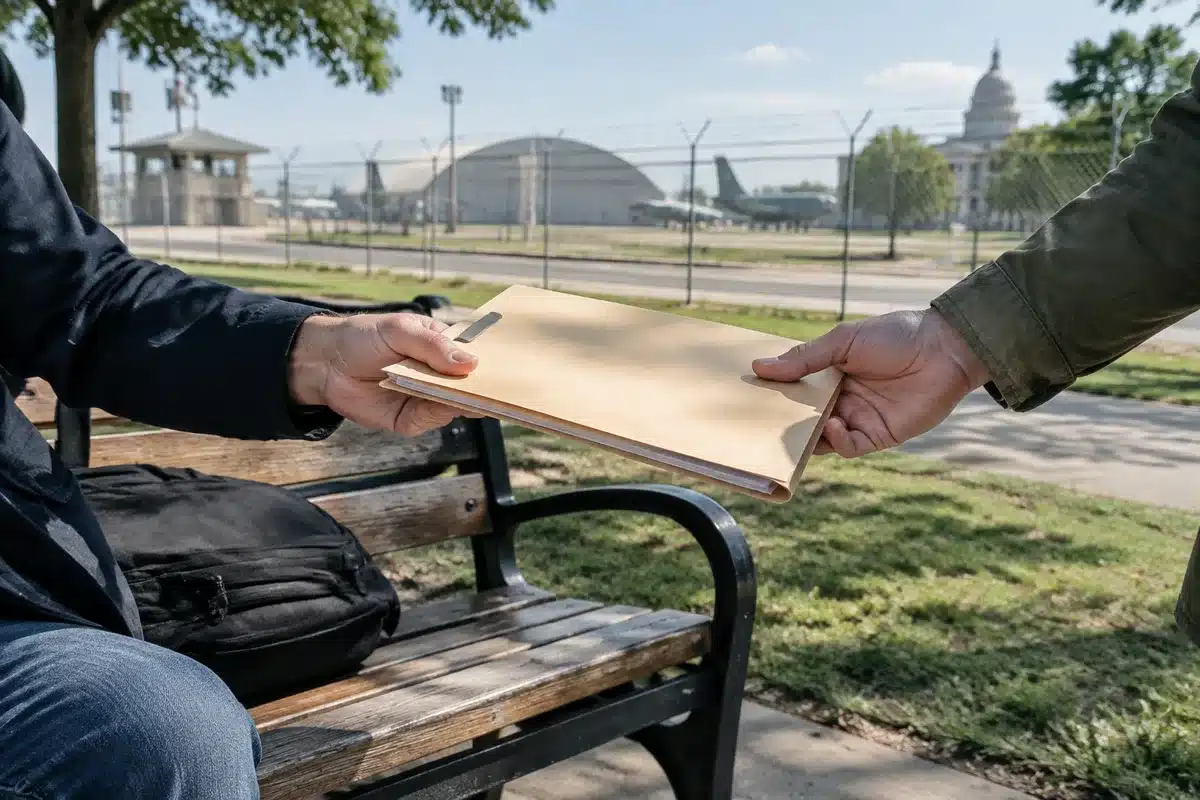
The Chamber is launching two new efforts aimed at deepening its partnership with Tinker Air Force Base. One creates a formal regional committee to coordinate military and aerospace matters; the other is a monthly newsletter designed to keep local stakeholders informed and aligned on base-related issues.

For a city where the base is a major employer, improved coordination could affect procurement streams, workforce training programs and local supply-chain planning. Officials say the goal is to make it easier for businesses and community leaders to respond to base needs — from talent pipelines to infrastructure demands.
Events that set the agenda
On Dec. 16 the Chamber will convene business and civic leaders for its Annual Meeting, a regular checkpoint for reviewing progress and priorities. That meeting is followed by the Legislative Kickoff on Jan. 27, which will offer a preview of policy debates expected in Oklahoma’s 2027 legislative session.
Both gatherings are more than ceremonial: they help crystallize legislative and budget priorities for the region, and they provide a forum where private-sector concerns — workforce training, taxation, infrastructure — are translated into public advocacy.
Sports recognition with economic ripple effects
Recent honors for the Thunder, the Paycom Center, and OKC’s broader sports profile were noted in the magazine. Such recognition tends to have measurable effects: attracting larger events, increasing hotel and restaurant demand, and strengthening arguments for venue investments.
City leaders argue that a stronger sports identity can be a catalyst for tourism and related small-business growth, though it also raises questions about long-term venue funding and community priorities.
Learning from other cities
More than 80 business and civic representatives visited San Diego to examine successful approaches to affordability, homelessness, transportation and military partnerships. The trip underscores a common approach among growing metros: borrow proven strategies, adapt them to local conditions, and avoid repeating others’ mistakes.
Delegates returned with ideas ranging from transit-first planning to cross-sector service models for people experiencing homelessness — all topics the Chamber plans to carry into local conversations.
Economic signals and what to watch
At the Chamber’s State of the Economy event, economists emphasized three pillars for sustaining momentum: workforce development, targeted infrastructure investment, and private capital attraction. Each has near-term policy implications, from training programs to permitting and public works spending.

How these pieces fit together will affect job growth, commuting patterns and where developers choose to invest in the region.
Expanding accessible travel
Oklahoma City is stepping up efforts to make tourism more accessible. Through a partnership with Wheel the World, the city plans to assess 11 additional destinations in spring 2027 to identify physical and informational barriers for travelers with mobility challenges.
Accessible tourism improvements can broaden the visitor base, improve the city’s reputation for inclusivity, and create new revenue opportunities — but they require coordinated upgrades across transportation, lodging and attractions.
The November VeloCity issue gathers these stories and more, offering a snapshot of initiatives that will shape the city’s policy discussions and economic choices heading into 2027.