Halfway through 2026, Greater Oklahoma City’s Chamber is pressing forward with initiatives its leaders say could reshape the region’s economic and civic future. With a fresh focus on workforce alignment and a city-wide branding effort, the Chamber intends to convert broad attention on Oklahoma City into concrete gains for residents and employers.
Mike Ross, now several months into his first year as Chamber chair, describes a busy, coordinated effort across sectors aimed at sustaining recent momentum. He points to two signature projects as the clearest indicators of the Chamber’s direction this year: advancing a regional education and workforce strategy in partnership with CivicLab, and launching a comprehensive community branding campaign to clarify how the city presents itself to investors, visitors and future residents.
Those efforts are unfolding against a backdrop of unusually high interest in the city from companies and cultural institutions. Chamber leaders say this is a narrow window to influence long-term outcomes—if the region moves deliberately now, the payoff could include new jobs, improved training pipelines and stronger recognition on a national scale.
Christa Pike released from hospital after failed execution, attorneys say
Dolly Parton tribute drives Madonna Inn crowds: steakhouse unveils limited menu
What the Chamber is prioritizing now
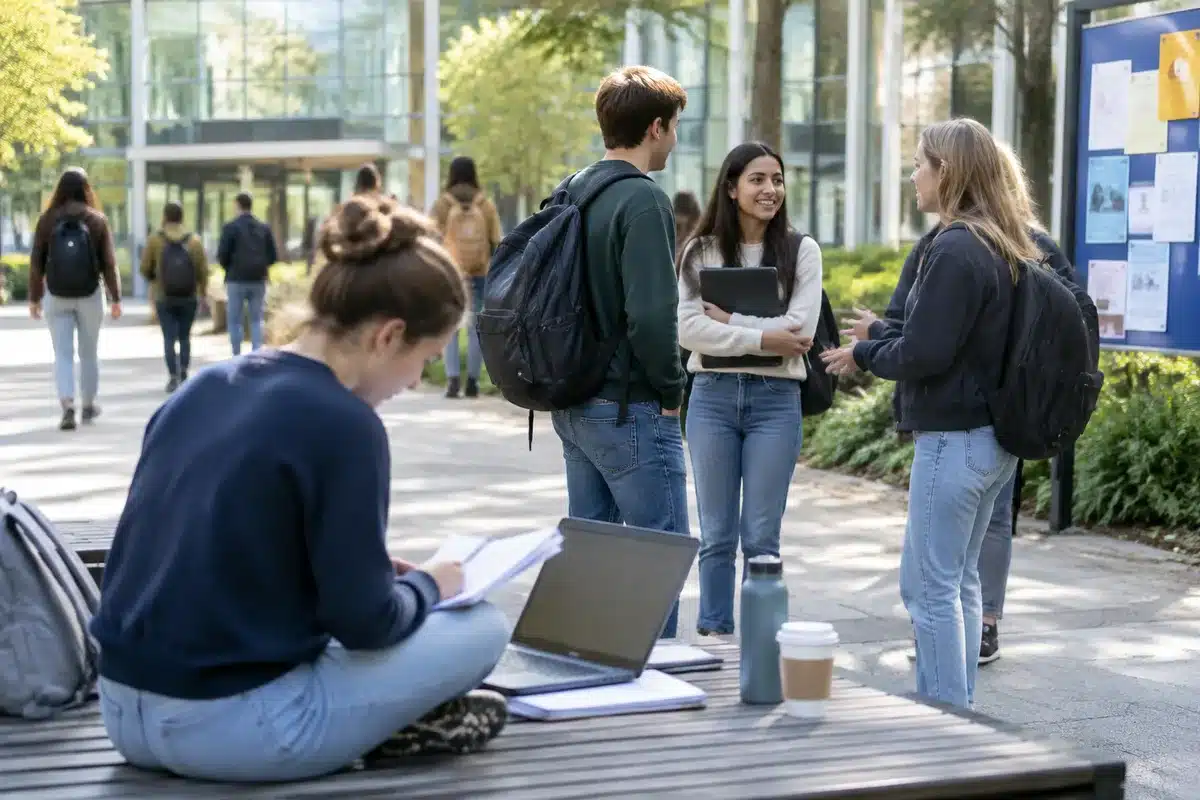
- Regional workforce and education alignment: Building clearer pathways between schools, training programs and employers to fill local job openings and raise long-term earning potential.
- Community branding: Developing a unified narrative to attract investment, tourism and talent while helping residents understand the city’s future direction.
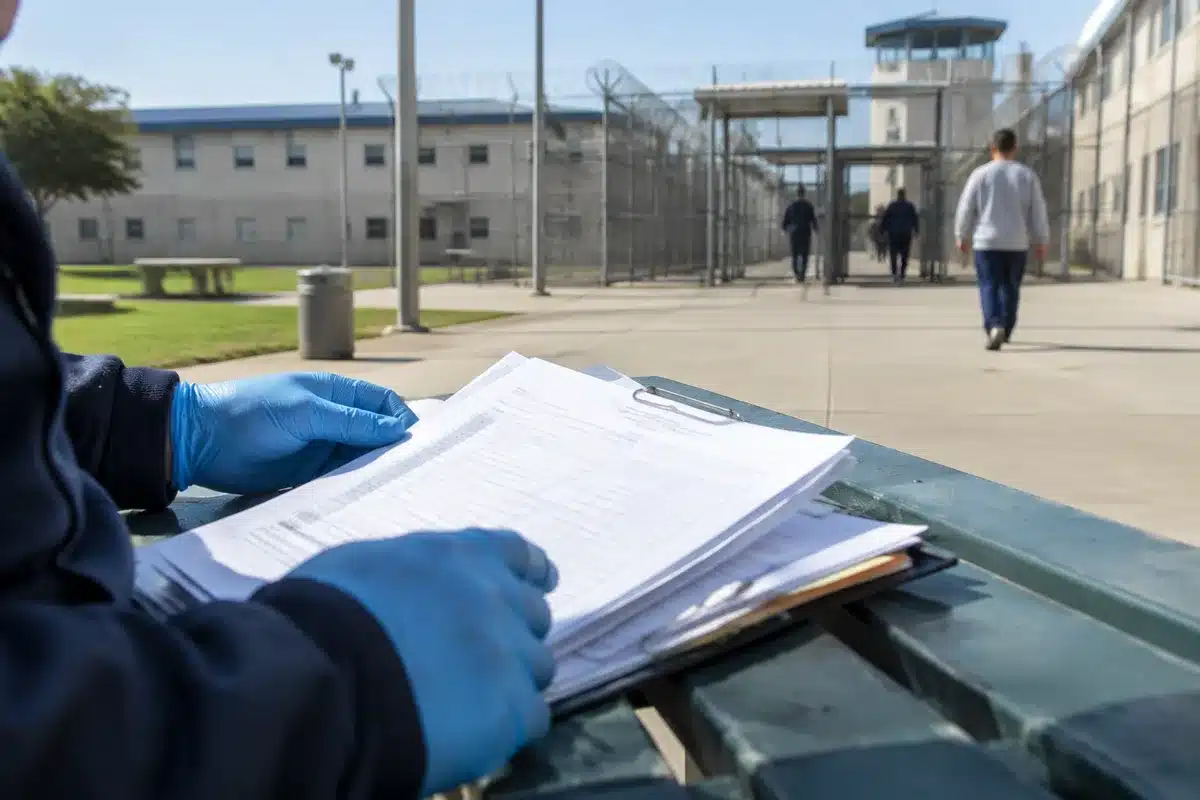
- Oklahoma County jail and public safety: Working with civic partners on solutions that affect community well-being and local government operations.
- Economic development and tourism: Coordinating promotion and infrastructure work to capitalize on incoming attention to the metro area.
- Cross-sector collaboration: Convening business leaders, educators and public officials to turn discussions into measurable progress.
Ross emphasizes that the Chamber’s role is often to bring varied voices into one conversation—private sector executives, school leaders, nonprofit groups and city officials. That convening function, he argues, is what helps projects move beyond planning stages and toward implementation.
Not every challenge is short-term. Some issues, Ross acknowledges, will take years to resolve. Still, he says the organization is trying to balance patient, long-range work with near-term projects that can demonstrate progress to the community.
The Chamber chair has also been struck by how much behind-the-scenes coordination is required: aligning funding, timelines and stakeholder expectations across economic development, education initiatives and tourism campaigns. He warns that the opportunity won’t last indefinitely, urging partners to act while interest and resources are available.
Members report a cautious optimism, according to Ross. Business leaders recognize persistent obstacles but increasingly express anticipation that the city’s plans will produce tangible benefits—more jobs, improved workforce readiness and a sharper civic identity.
For the remainder of 2026, the Chamber’s measure of success will be less about planning documents and more about results: demonstrated training-to-job placements, visible progress on public-safety projects, and an agreed-upon branding platform that begins to shape how people outside the region see Oklahoma City.
“The work is underway, and now the test is turning initiatives into outcomes,” Ross says, underscoring a simple aim for the months ahead: move from conversation to delivery.