Show summary Hide summary
The Kennedy Library’s renovated interior is earning national attention this year after a $78 million overhaul, recognized in the American Libraries Magazine 2026 Library Design Showcase. The upgrade aims to expand usable study space, cut energy use and reshape the building’s role on campus — changes that matter now as students return to in-person coursework and round-the-clock study habits become more common.
A national nod for campus design
The library’s redesign was selected among new and restored libraries nationwide for responding directly to local needs. University officials say the project balances modern sustainability goals with elements of the original 1980 building, giving the library both historic continuity and contemporary function.

University spokesperson Keegan Koberl framed the recognition as validation of Cal Poly’s educational approach, saying the renovated facility supports the campus’ “Learn by Doing” mission and will adapt as programs evolve.
Snowplow naming winners unveiled across Oregon for 2026
Kennedy Library remodel puts campus in national spotlight: chosen for ALA 2026 design showcase
What changed inside Kennedy Library
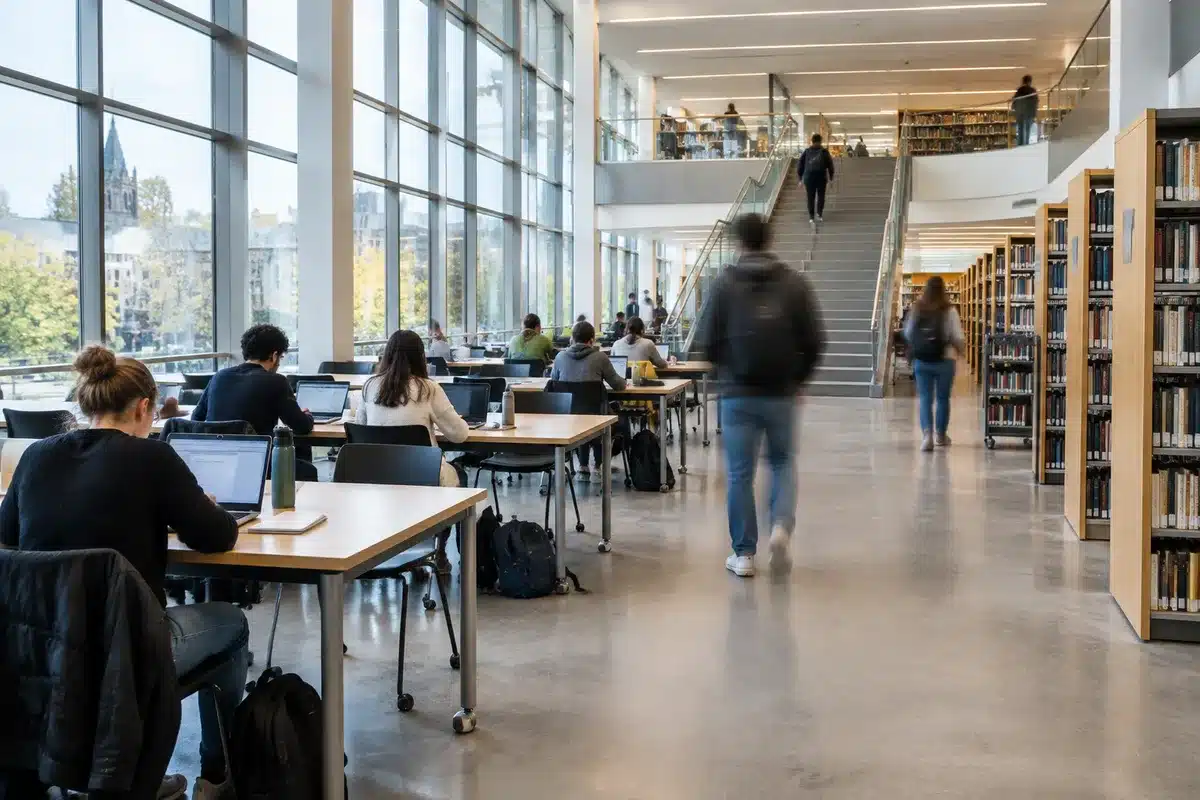
The renovation reconfigured five floors to offer a wider variety of study settings — from collaborative work zones on lower levels to quieter, individual spaces among the stacks. Architects also added classrooms and extended dedicated late-night study areas.

- Increased study capacity: More seating and flexible group areas across all five floors.
- 24-hour study spaces: Expanded first- and second-floor options for students who study late.
- Flexible interiors: Consolidated collections, movable furniture and multi-use rooms to allow reconfiguration.
- Energy savings: The upgrade lowered the building’s energy consumption by about 30%, according to the university.
- Preservation of select design features from the original 1980 structure while updating systems and finishes.
The project team emphasized adaptability: furniture and teaching spaces were chosen so that the layout can shift as academic needs change. That flexibility was a key reason the renovation attracted attention from both library and architecture communities.
Students weigh the benefits — and the gaps
Reactions from campus users have been mixed. Some students praised the brighter, more open feel created by larger windows and refreshed interiors, saying the environment makes long study sessions less claustrophobic.
“The space feels much more open,” said Emi Yamada-Heidner, a kinesiology sophomore, noting the abundance of natural light. Electrical engineering senior Jonathan Moll described the reopened library as a marked improvement over previous workarounds, where group projects often spilled into common areas with poor acoustics.
Not everyone has noticed dramatic differences. Jolie Lam, a senior in nutrition, said her impressions were limited to visible changes like seating and stair placement rather than a wholesale transformation.
A recurring complaint concerns power access. Several students reported that many central tables lack usable outlets, forcing them to tether laptops to wall sockets.
“If I’m not at the wall, my battery only lasts about 30 minutes,” Moll said, describing how outlet placement can interrupt study sessions. English junior Annabelle Akers added that the most reliable plugs are along the walls, leaving middle-of-floor workstations inconvenient for long stretches of work.
Despite that drawback, the extended late-night floors have been popular. Students say having a dependable place to study at midnight or during finals week has been a meaningful change.
“Being able to stay here late — into the night — really made a difference for me during finals,” Moll said, reflecting on the practical impact of the 24-hour access.
Many students also reported feeling more productive in the library environment simply because peers are present and focused: a social atmosphere that contributes to concentration and accountability.
Why this matters beyond campus
Beyond comfort and convenience, the renovation touches two broader priorities for higher education buildings today: operational sustainability and programmatic flexibility. A roughly 30% reduction in energy use lowers long-term costs and carbon footprint, while adaptable interiors help the library remain useful as teaching styles and student needs shift.
For campus leaders, the Kennedy project offers a case study in updating a dated building without erasing its history. For students, the practical outcomes — more places to work, longer hours and spaces designed for collaboration — are the immediate takeaway, even as small issues like outlet placement remain to be addressed.