Show summary Hide summary
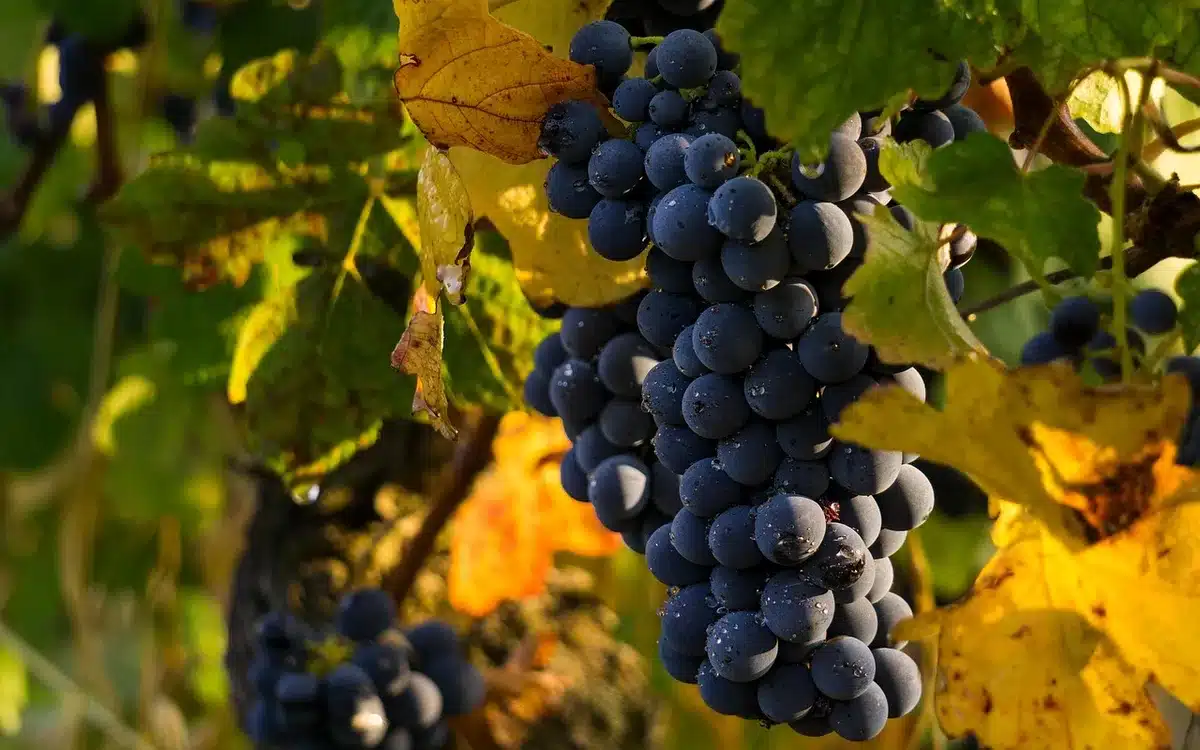
Cal Poly students racing to bring in this year’s grapes faced an unusually early harvest that is already shaping the style of their wines. The shift in timing pushed sugar levels higher than normal, forcing instructors and interns to adjust lab work and fermentation plans on the fly.
The university’s Center for Wine and Viticulture runs a hands-on program where students handle everything from research trials to small-batch production known on campus as project ferments. The fruit, donated each season by local growers, arrives on unpredictable schedules, and this year’s accelerated ripening compressed the work calendar.
“We rely on donated fruit, so the timing changes every year,” said Bryn Hober, a senior in wine and viticulture. “When the grapes were ready earlier than expected, we had to reorganize lab duties and be ready at a moment’s notice.”
Ronald McDonald House OKC hits 68-room milestone: new CEO to lead expanded services
Powder mailed to officials before election: man charged after hundreds of letters
What an early harvest means for the cellar
Grapes harvested ahead of schedule often register higher on the sugar scale — measured in Brix — which can translate to fuller-bodied, higher-alcohol wines unless managed differently. Winemakers respond by altering yeast choices, fermentation temperatures and aging plans to preserve balance.
At Cal Poly, that means interns trade typical class hours for dawn checks and laboratory monitoring. The workload is exacting: a single misstep in measuring pH or temperature can affect an entire batch.
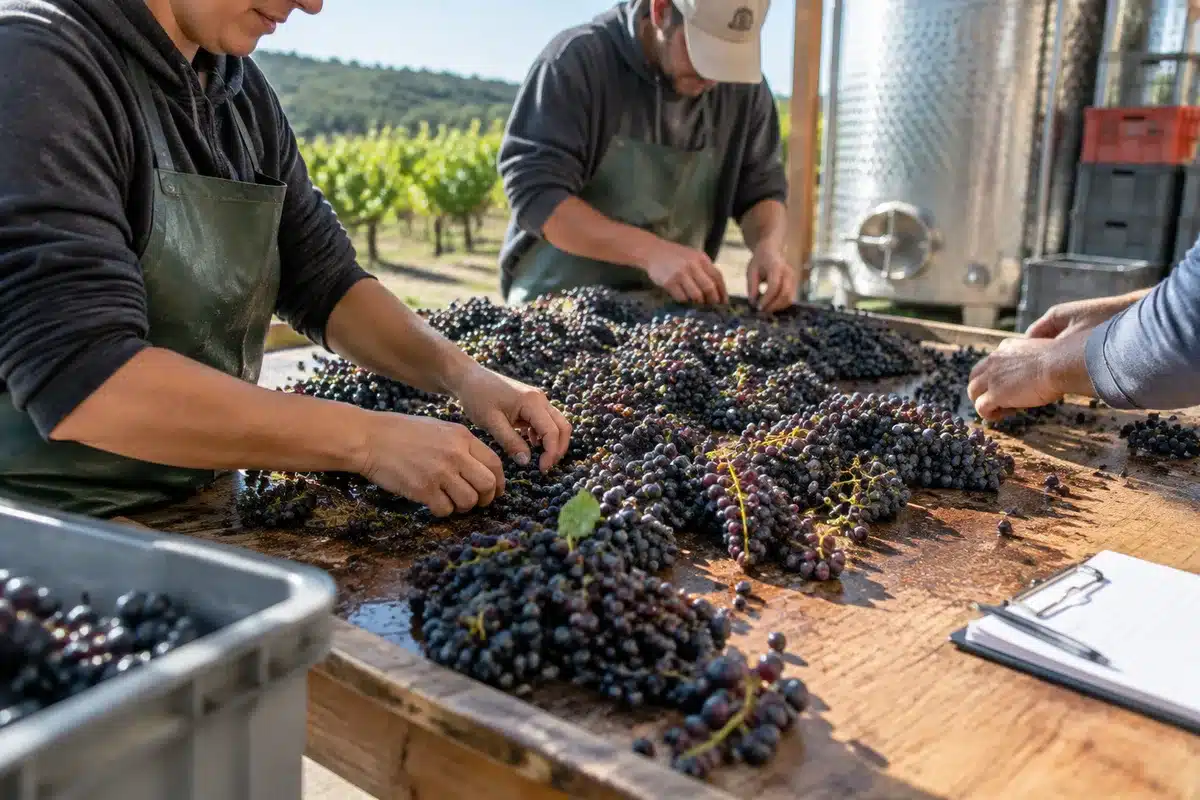
- Sorting: Remove underripe or damaged fruit by hand to protect flavour integrity.
- Pressing: Gentle extraction to separate juice from skins without introducing off-flavors.
- Brix testing: Determine sugar content to set fermentation targets.
- pH and temperature control: Critical for yeast health and microbial stability.
- Inoculation and monitoring: Add yeast and track fermentation progress over days and weeks.
- Racking and aging: Move wine off lees and plan barrel or tank ageing before bottling.
Students often start before sunrise to complete these tasks. “We get up early and try to fit everything around classes,” Hober said. “It’s hands-on learning in the truest sense — you can’t learn this from a textbook alone.”
Learning under pressure
The program emphasizes both technical skill and decision-making. Faculty and the winery manager guide interns through troubleshooting — for example, whether to halt fermentation early to preserve acidity, or let it run longer for more body. Those calls affect not only the current batch but the educational outcome for the students.
Winery Manager Jim Shumate oversees logistics and advised students on adapting to the compressed schedule. The team says the final character of the vintage will become clearer after fermentation and the standard ageing period; many campus-produced wines are usually ready a few months after bottling, depending on the style.
Beyond campus, the trend of earlier ripening has implications for regional winemakers. Faster sugar accumulation can change harvest windows and require different vineyard practices, so students working now are seeing first-hand how climate and seasonal swings alter the craft.
For the Cal Poly interns, the payoff is practical expertise. Months of meticulous work — sorting, testing and monitoring — will culminate in bottles that reflect both the fruit and the rapid learning curve the season demanded.