
Show summary Hide summary
Oklahoma state officials and education leaders are pressing ahead with a statewide effort to boost reading skills among young students, framing literacy as a top priority for classroom practice and early intervention. The renewed push aims to move promising programs into wider use so more children reach grade-level reading sooner.
Why this push matters
Ronald McDonald House OKC hits 68-room milestone: new CEO to lead expanded services
Powder mailed to officials before election: man charged after hundreds of letters
Reading proficiency in the early grades shapes classroom success, graduation chances and long-term job prospects. For families and schools, small differences in early literacy can compound rapidly, so states are increasingly focused on preventing reading difficulties rather than remediating them later.
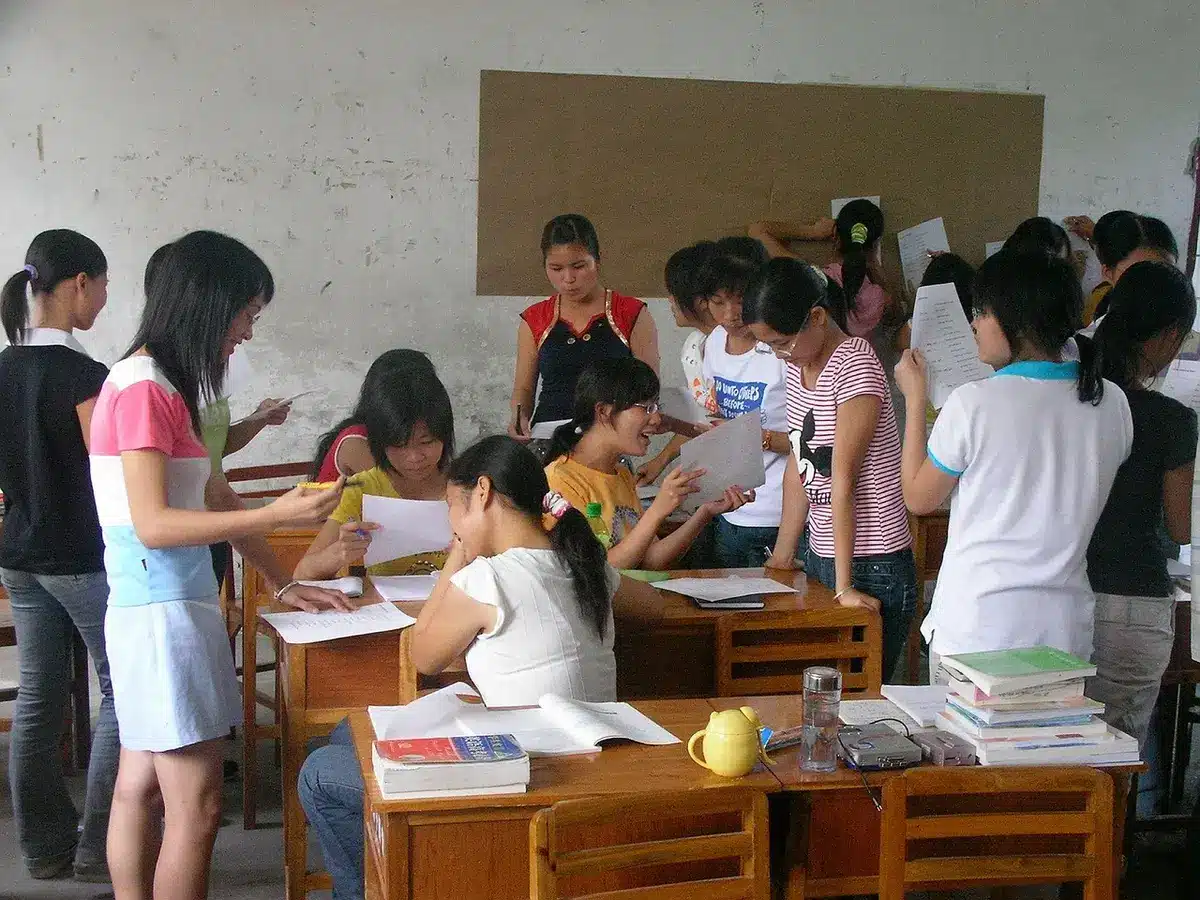
State leaders say the current phase emphasizes scaling what works: quicker screenings, consistent instruction methods and support for educators. That shift responds to growing demand from districts for clear, practical tools they can use across diverse classrooms.
On-the-ground priorities
Education officials have signaled several areas of emphasis that districts can expect to see more of this year. These lines of work are intended to be complementary rather than sequential: schools will likely be asked to adopt multiple elements at once.
| Focus area | What it looks like in practice |
|---|---|
| Early screening | Short, regular assessments to identify students who need help before gaps widen. |
| Evidence-based instruction | Classroom routines that emphasize phonics, vocabulary and comprehension in structured lessons. |
| Teacher development | Targeted training and coaching so educators can use proven reading techniques consistently. |
| Targeted interventions | Small-group or one-on-one support that accelerates progress for struggling readers. |
| Family engagement | Resources and guidance that help caregivers reinforce reading at home. |
What districts will face
Implementation is rarely straightforward. Many school systems must balance new literacy practices with existing curricula, staffing limits and tight budgets. Rural districts may struggle to provide frequent coaching or access specialized intervention programs.

Still, proponents argue that a coordinated approach reduces long-term costs by lowering the need for intensive remediation later in students’ education. Educators caution that success depends on both consistent classroom practice and follow-through from district administrators.
Early signals to watch
- Adoption of standardized, frequent literacy screenings in kindergarten and early elementary grades.
- Professional development programs tied to classroom coaching rather than one-off workshops.
- Allocation of resources toward small-group interventions for students falling behind.
- Materials and guidance for families to support reading at home.
For Oklahoma families and teachers, the immediate question is how quickly districts will translate state-level direction into classroom routines. Over the coming months, look for local school boards and superintendents to outline concrete rollout plans, training schedules and measures of student progress.
While scaling literacy work takes time, officials emphasize that early action—focused on screening, training and targeted support—offers the clearest path to improving reading outcomes across the state.