Cal Poly has retired its long-serving live mustang and introduced a successor: Chase II will now carry the university’s mascot duties, preserving a visible tradition at home football games while expanding hands-on learning opportunities for students. The handover matters because it keeps a public symbol of campus life active and gives animal science students practical experience in equine training and public engagement.
Chase II joined Cal Poly’s herd after being purchased from a Nevada correctional facility three years ago, according to faculty involved with the program. Since his arrival, student handlers and instructors have worked to prepare him for the sensory overload of stadium crowds, photographers, and on-field ceremonies.
Training the next mascot
Midwest City High School under emergency response: firefighters on site, classes disrupted
Cal Poly football unveils Chase II: live mascot tradition returns to campus
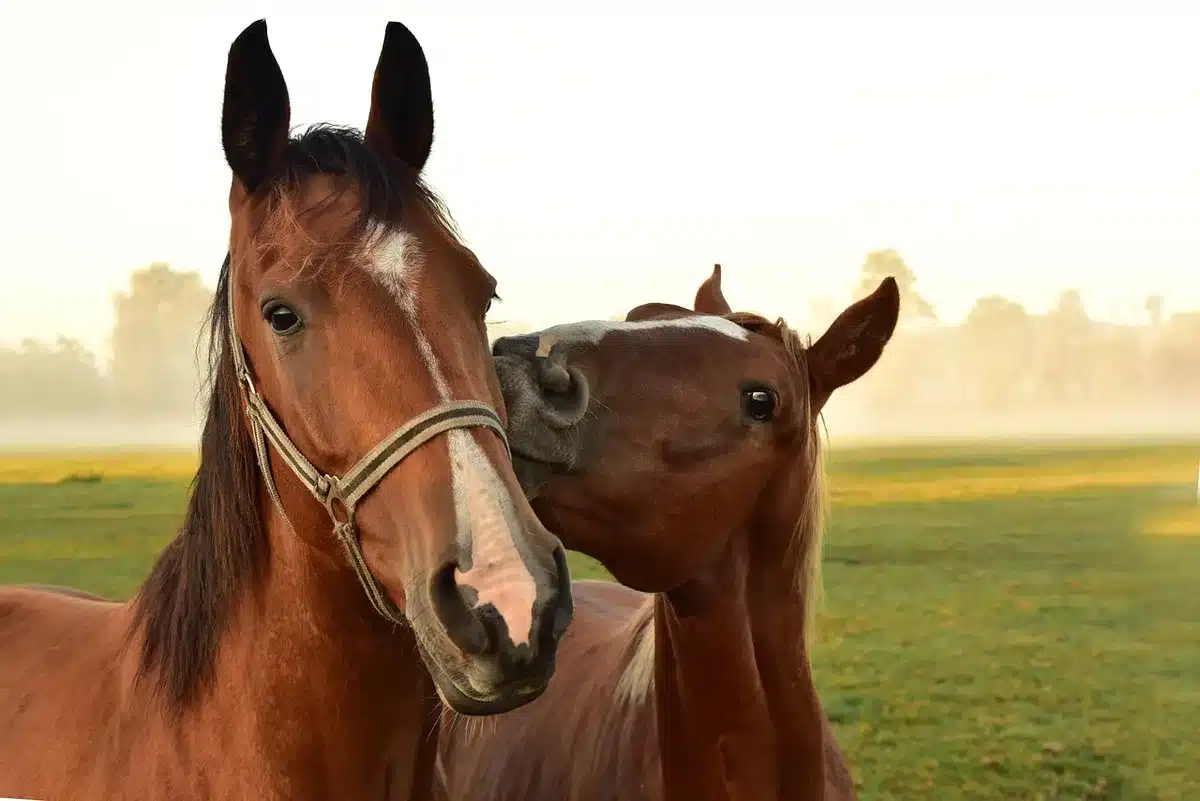
Initial steps focused on basic handling and socialization — grooming, exposure to crowds and new settings, and building trust with people. Once comfortable, Chase II moved to mascot-specific work: being led on a halter, learning to be ponied (led alongside another mounted horse), and rehearsing the run across the field that fans now expect.
Those exercises were paced to let Chase II acclimate rather than forcing him into high-intensity environments too quickly. Instructors and equine center student managers noted the animal’s aptitude for the job and his steadier temperament compared with other horses tested for the role.
- Arrival: Purchased from Nevada facility; joined campus herd three years ago.
- Socialization: Grooming and familiarization by animal science students.
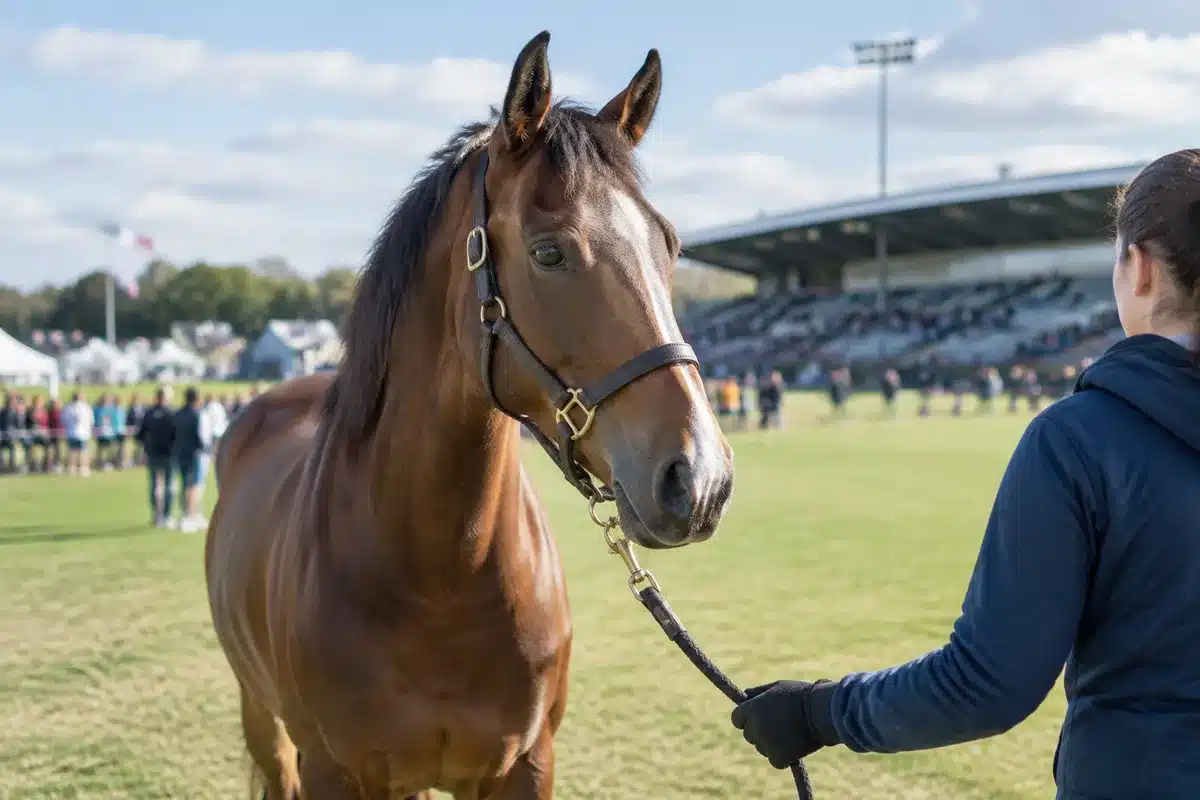
- Handling drills: Halter work, ponying alongside a handler’s mount.
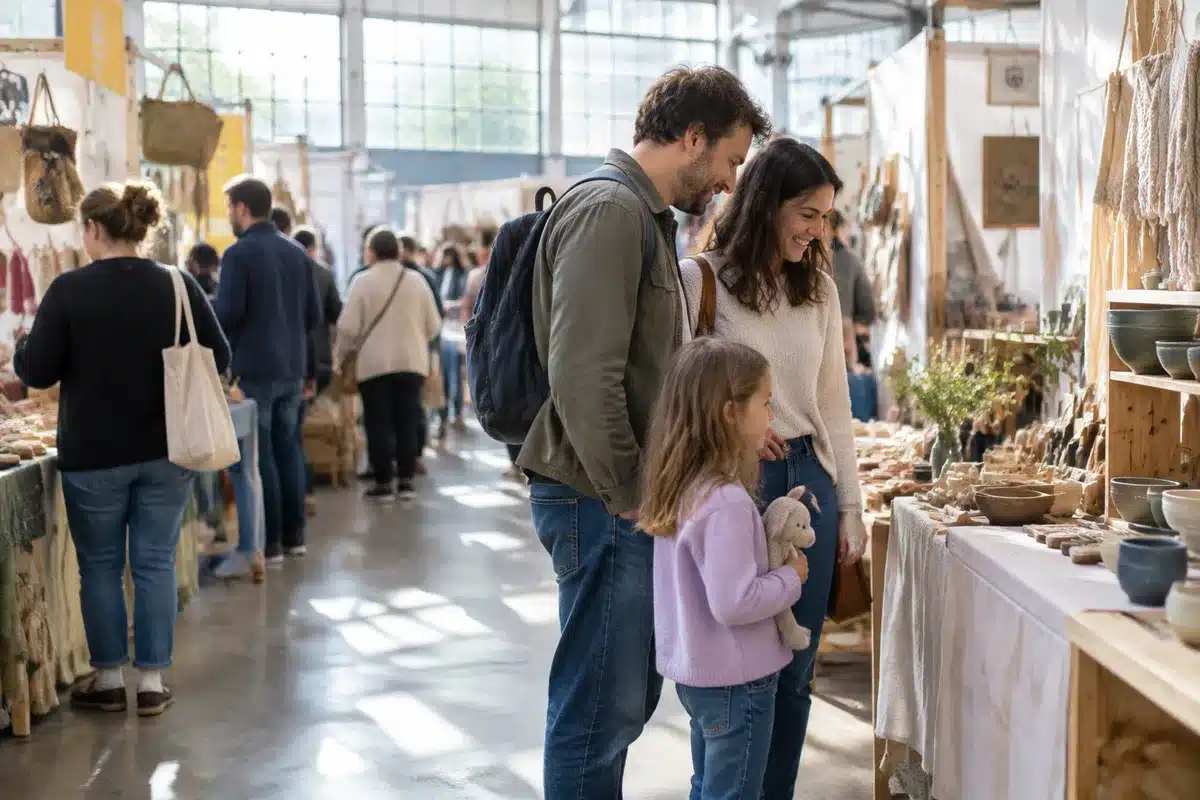
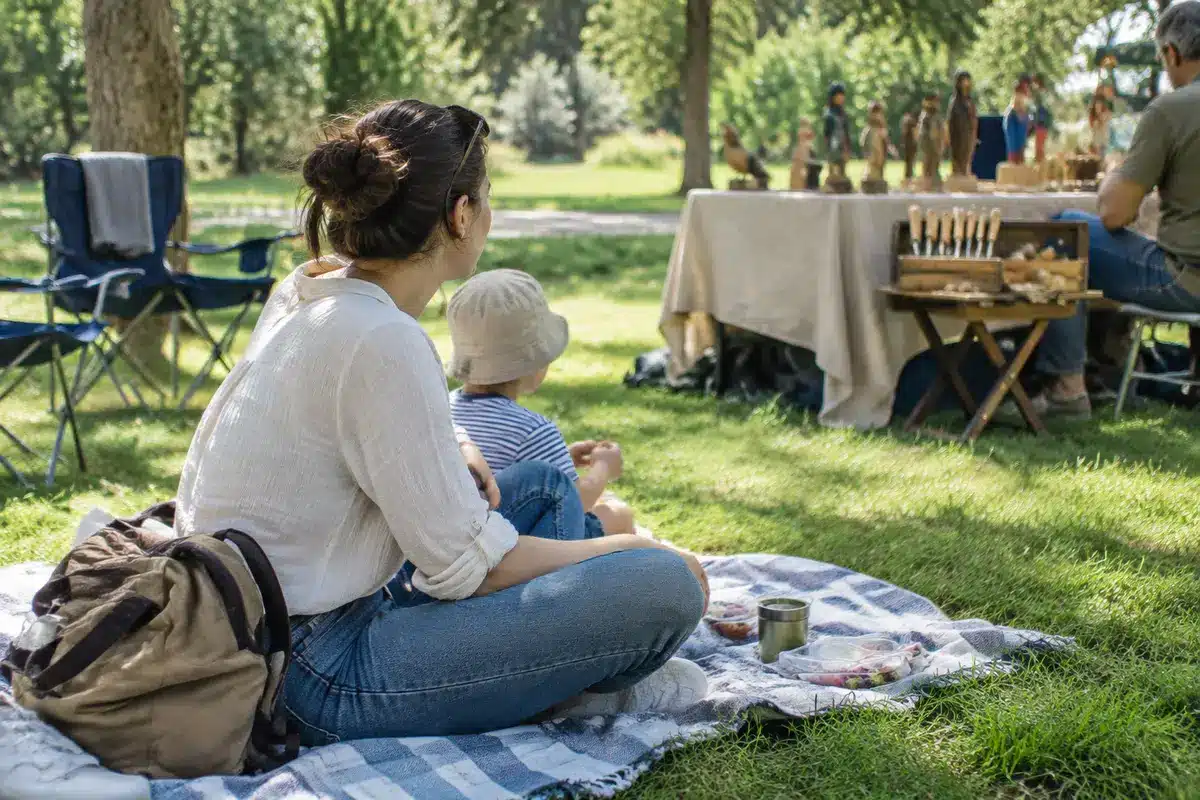
- Public debut: Introduced at the Year of the Horse Farmers’ Market on Feb. 19.
- Support horse: Niño runs alongside Chase II during field appearances.
Students say Chase II learned rapidly and grew noticeably more confident as training progressed. Working with the mascot has become a practical extension of Cal Poly’s Learn by Doing ethos, allowing students to apply classroom knowledge to live-animal care, crowds, and media situations.
Not every horse is suited to being a live mascot. Faculty overseeing the program emphasize temperament as the deciding factor: the ability to remain calm amid loud bands, cheering crowds and spontaneous photo opportunities is essential. Chase II’s composure set him apart during evaluations and helped secure the role.
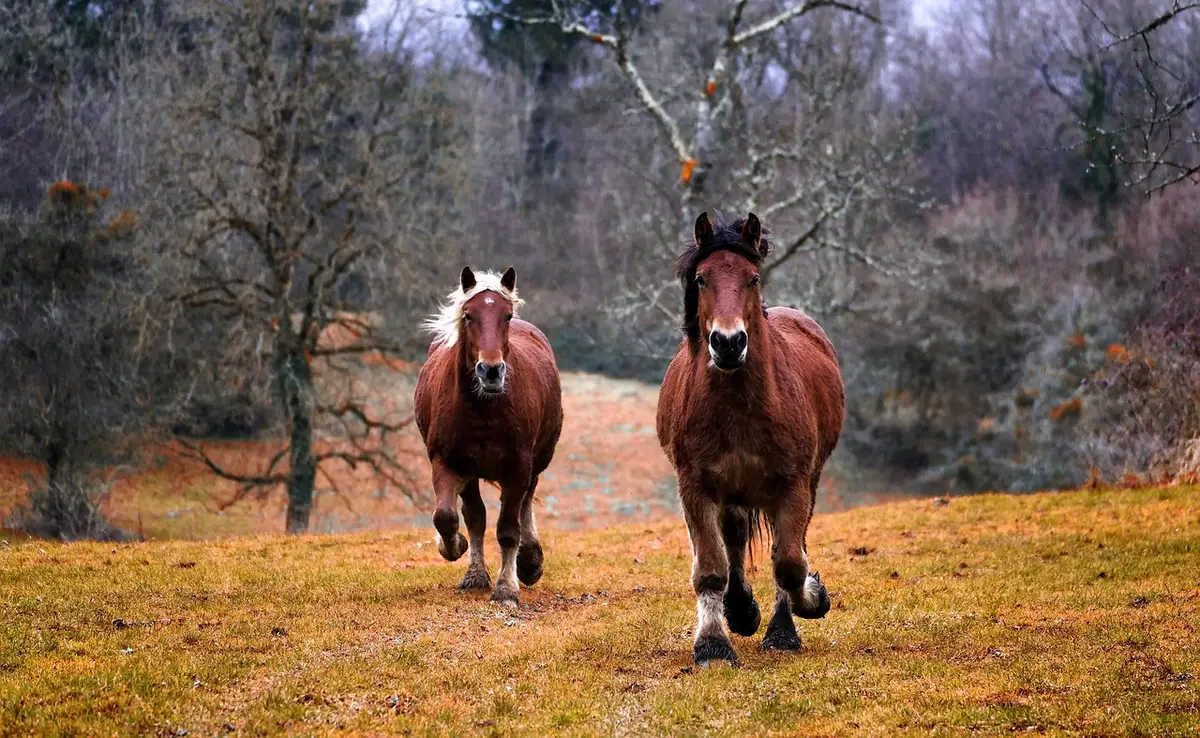
The program also relies on a companion mount, Niño, who accompanies Chase II during runs and helps steady the procession. Handlers gradually increased the complexity of exercises — from quiet paddock work to rehearsals on the field — so the duo could synchronize pace and behavior before game-day appearances.
Beyond spectacle, the mascot transition has practical benefits for students in the equine program: routine care, public handling, safety protocols and event planning are all part of the curriculum when a live mascot is involved. Faculty members, including Lou Moore-Jacobsen, who advises the equestrian team, describe the process as both instructional and community-facing.
For fans, Chase II offers continuity: a familiar presence with a similar temperament and camera-ready manner to his predecessor, who served for a decade. For the campus, he represents a living link between tradition and training, one that keeps students front and center in the university’s public life.