Show summary Hide summary
When San Luis Obispo recorded a sweltering 107°F on Sept. 9, the temperature spike did more than break records—it exposed a campus unprepared for prolonged heat. Students and staff faced canceled classes, sleepless dorms and urgent debates about whether Cal Poly’s facilities and policies are keeping pace with a warming climate.
For many on campus, the week made an abstract climate trend suddenly and personally consequential: rooms without cooling, nights that did not cool down, and campus leaders weighing expensive retrofits against long-term sustainability goals.
Classrooms and residence halls felt the strain
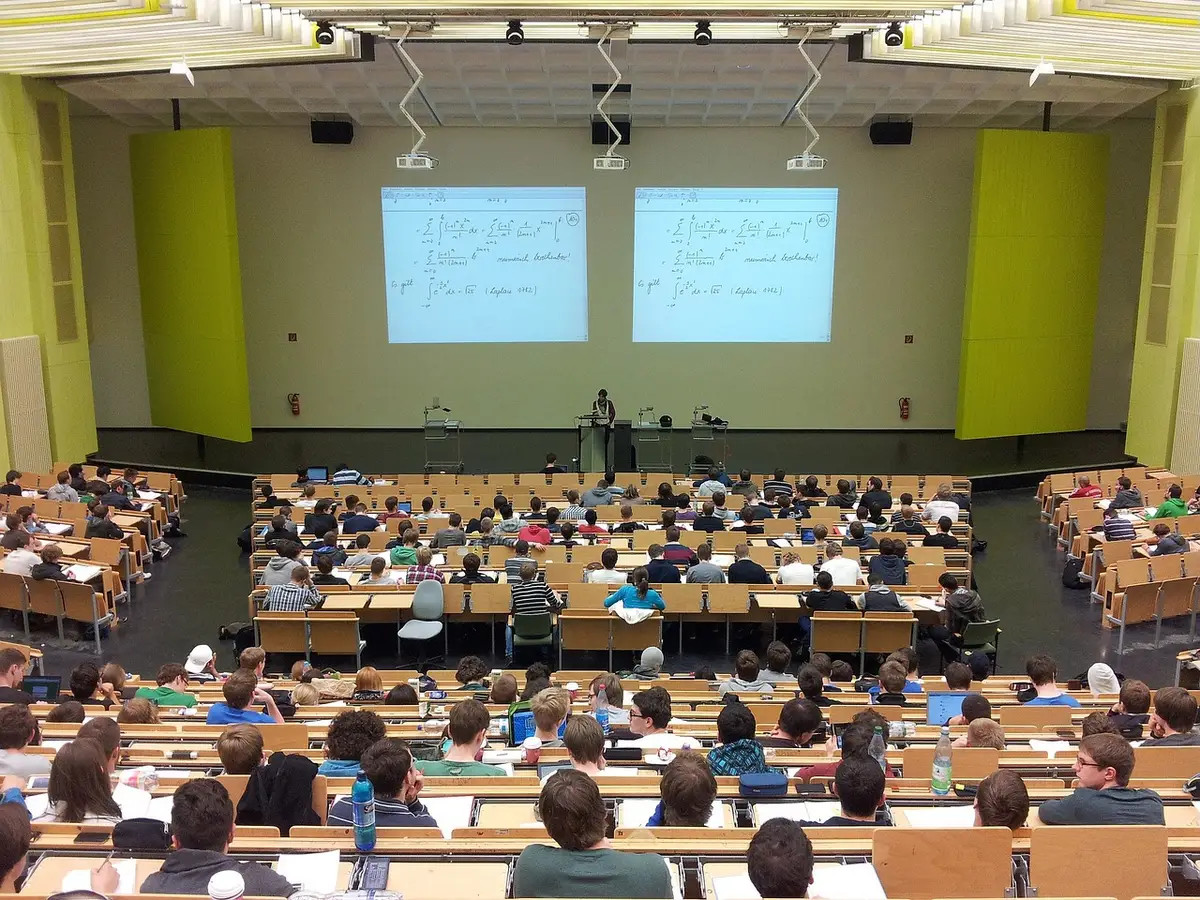
Benjamin Solano, an environmental engineering junior, said he struggled to concentrate in a classroom that offered no relief from the heat. Several instructors either called off classes or moved instruction online for the rest of the week. In residence halls and apartments, students reported that temperatures stayed high through the night, forcing some to sleep with ice packs.
Ronald McDonald House OKC hits 68-room milestone: new CEO to lead expanded services
Powder mailed to officials before election: man charged after hundreds of letters
“It just didn’t cool at all overnight,” said Ella Vowell, a sophomore living in Poly Canyon Village. She described waking to an apartment in the mid-80s and finding normal rest impossible.
Resident advisors improvised: Alina Arroyo organized an impromptu ice-cream social to help residents cope, while other students were directed to campus buildings with mechanical cooling.
Weather drivers and the bigger pattern
Forecasters pointed to a mix of strong Santa Lucia winds and moisture left from Tropical Storm Marie as drivers of the spike. Those winds, which blow inland from the northeast instead of off the ocean, compress and warm air as they descend—conditions that can produce sudden, extreme heat.
Geography professor Geoffrey Andrew Fricker placed the event in a broader trend, noting that recent months and the year so far rank among the hottest on record nationally, according to the National Centers for Environmental Information. “These extreme heat days are part of the larger pattern of a changing climate,” he said, warning that such conditions will likely recur.
Kai Fries, a commuting student who rode in a car without working air conditioning, said she nearly fainted in a classroom that received direct sunlight. “My professor opened her lunch box and handed me an ice pack,” she recalled.
Why it matters now: Summer and early-fall heat extremes are becoming more frequent and intense, raising immediate health and academic concerns while forcing universities to confront costly infrastructure decisions.
What the university is doing — and not doing
Cal Poly’s spokesperson, Keegan Koberl, said the university does not have a plan to install air conditioning across every classroom and residence hall. Retrofitting older buildings often requires upgraded electrical service, ventilation work and changes to campus utility systems—projects that add complexity and cost.
The Kennedy Library renovation included a new HVAC system with cooling, and some campus buildings already have full or partial air conditioning. The student housing program includes new residence halls and phased renovations for existing red-brick halls, with new buildings slated to open between fall 2026 and 2032. Work on the South Mountain halls could begin in 2027 or 2028, Koberl said.
Officials are also evaluating a potential upgrade to the campus central plant, which would increase cooling capacity across multiple facilities. Koberl described that project as a high priority but did not provide a firm timeline.
During the heat event, the university monitored National Weather Service alerts and directed students to cooler spaces such as the Kennedy Library, the University Union and the Recreation Center.
- Immediate responses: Some classes moved online; students were steered to existing cooled buildings.
- Planned projects: New residence halls and phased renovations with mechanical-system evaluations during design.
- Longer-term infrastructure: Possible central plant upgrade to expand campus cooling capability.
Costs, priorities and trade-offs
Fricker said Cal Poly’s historical temperate climate meant there was little demand for widespread cooling in the past. Now, administrators must decide which buildings to prioritize for upgrades while balancing energy efficiency, operating costs and campus sustainability commitments.
Retrofitting tends to be expensive because it can require new electrical feeds, ventilation improvements and updates to building controls. Planners also weigh a building’s intended use and lifespan before adding mechanical cooling.
Students argue cost should not trump safety. Fries suggested moving classes online when county heat advisories are issued—an approach used during the pandemic. Others asked for emergency cooling protocols and more consistent communication during heat events.
Campus sustainability aims complicate the debate
Cal Poly has publicly committed to long-range climate goals, having signed the Second Nature Climate Leadership Commitment and targeting net-zero greenhouse gas emissions by 2050. The campus’s 4.5-megawatt Gold Tree Solar Farm supplies roughly a quarter of the university’s electricity, and the school reports a 31% reduction in water use since 2013.
Those sustainability achievements frame the conversation: adding air conditioning broadly can increase energy demand and operational emissions unless paired with clean energy and efficiency measures. That tension helps explain why leaders prioritize new-build cooling and campus-wide infrastructure upgrades rather than rapid, campuswide retrofits.
Students and faculty say their voices matter in shaping timelines and priorities. “Change happens when people push for it,” Fricker said. Some on campus are also calling for more sustainability education integrated into majors and clearer waste- and resource-management guidance for incoming students.
Next steps and student expectations
Administrators will need to balance immediate safety measures with long-term investments in campus systems. Students are watching for concrete timelines on housing renovations, central plant upgrades and classroom cooling, and many say they expect clearer emergency policies for heat events.
Small behavioral steps—proper waste sorting, choosing sustainable options provided by the university, and staying informed—can help, several students said. But the consensus among students and faculty was that institutional planning and funding decisions will determine whether the campus is prepared for more frequent extreme heat.
Key questions remaining:
- Which buildings will be prioritized for cooling upgrades?
- When will the central plant decision and funding be finalized?
- Will the university adopt formal thresholds for shifting classes online during heat advisories?
The recent heat wave made one point clear: rising temperatures are no longer a distant policy issue—they are an operational and health concern for campus life today.