More than 150 business, education and community leaders across the Greater Oklahoma City area have spent recent months examining how schools, training programs and employers interlock — and why those connections matter now as the region adds jobs and investment. The findings, collected through stakeholder meetings and Design Labs run with CivicLab, point to a practical challenge: strong programs exist, but they rarely form a single, continuous pathway from learning to long-term employment.
That gap is the focus of Talent OKC, an initiative led by the local chamber to align K–12, CareerTech, higher education and workforce systems. Organizers say the goal is not to replace existing efforts but to knit them together so students and workers move more efficiently into in-demand roles.
Why this matters today: Oklahoma City is expanding its economic footprint. Without clearer links between training and hiring, employers may face shortages while residents miss opportunities for stable, higher-paying careers.
Christa Pike released from hospital after failed execution, attorneys say
Dolly Parton tribute drives Madonna Inn crowds: steakhouse unveils limited menu
Conversations at the Design Labs repeatedly surfaced the same theme: individual programs—whether a community college certificate or an employer-run apprenticeship—work well on their own, yet they often stop short of creating long-term career trajectories.
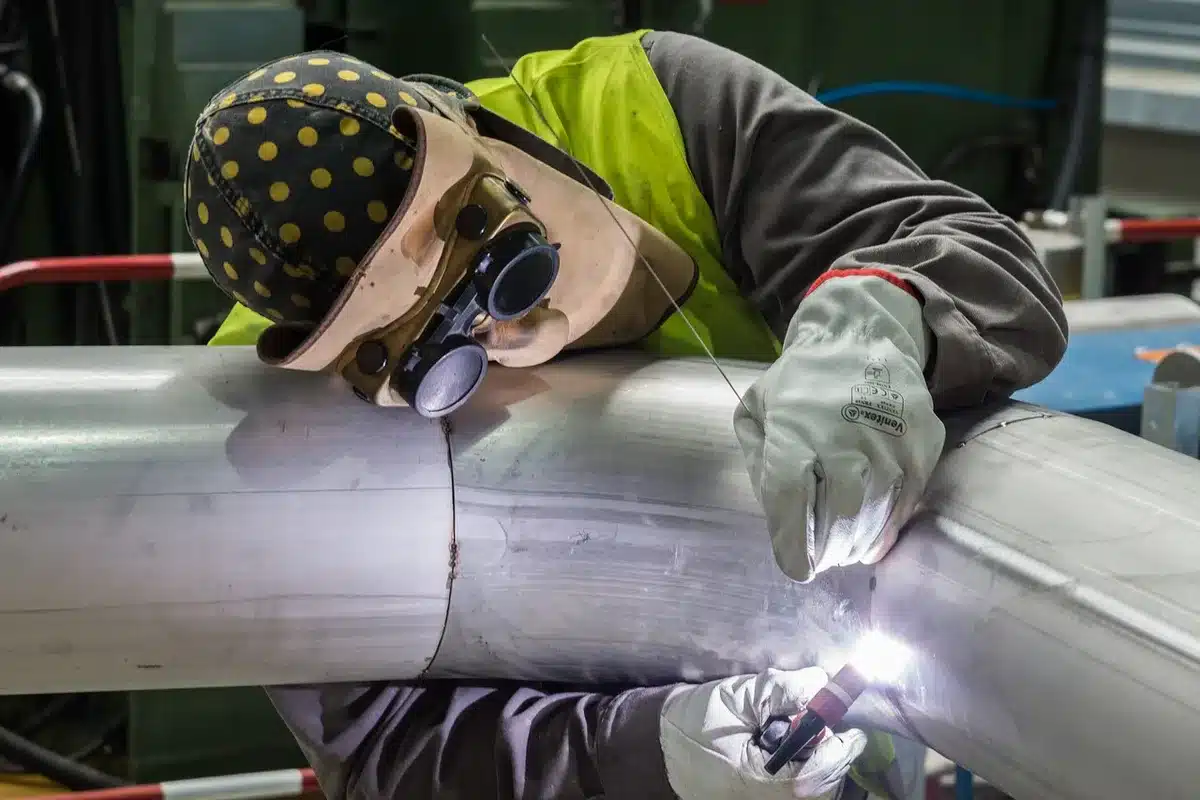
One tangible example is the aviation sector, where project-based partnerships between schools and local employers give students early exposure to industry standards and a visible route into skilled jobs. Those local success stories show what coordinated effort can deliver at scale.

- Align curricula with employer needs — make classroom learning translate more directly into on-the-job skills.
- Create clearer pathways — map steps from K–12 through postsecondary training to specific careers.
- Increase employer engagement — expand apprenticeships, internships and paid work-based learning.
- Share outcomes and data — use common metrics so educators and businesses can track progress and adjust programs.
- Scale proven models — identify successful local pilots and adapt them across neighborhoods and sectors.
The work with CivicLab has also been practical: Design Labs helped surface shared obstacles — from misaligned schedules and unclear credential recognition to limited communication channels between institutions. Participants used those sessions to draft a roadmap that reflects the perspectives of people closest to daily education and hiring decisions.

None of the stakeholders interviewed argued that any single entity could solve the problem alone. Instead, the prevailing view is collaborative: by pooling resources and standardizing how programs connect, the region can build a more reliable talent pipeline that keeps pace with growth.
For residents, the stakes are straightforward. Better alignment means more predictable routes to stable careers and reduced barriers to upward mobility. For employers, it means a more consistent supply of trained workers. And for the region, it supports sustained investment and competitiveness.
Talent OKC is presented as a practical experiment in systems change: not a top-down makeover, but a cooperative effort to join existing strengths into a functioning whole. The coming months will show whether the roadmap born from these conversations produces measurable shifts in how people move from learning into long-term, in-demand employment.