
Show summary Hide summary
Oklahoma’s aerospace and defense sector now drives more than $52 billion in annual economic activity and underpins a quarter-million jobs across the state, a new government-commissioned analysis shows. State and local leaders used the study’s release this week to underscore how recent investments and workforce programs are converting that economic heft into long-term strategic advantage.
The report, issued by the Oklahoma Department of Aerospace and Aeronautics, finds a sharp uptick in payroll and employment since the last statewide review in 2017, signaling an industry that has expanded well beyond its traditional military footprint.
Numbers that matter for jobs and local economies
VeloCity October 2026: major changes and what they mean for riders today
Brent Swadley sentencing: attorney general seeks 10-year prison term
Key findings point to substantial growth in both wages and positions directly tied to aerospace and defense. The sector now accounts for roughly $16.6 billion in annual payroll — and overall economic impact is about $9 billion higher than eight years ago. That growth translates into nearly 56,000 more jobs statewide compared with the prior study.

Much of the expansion is concentrated around major facilities and regional airports, which act as economic anchors and employment magnets.
| Asset | Annual economic impact | Jobs supported |
|---|---|---|
| Tinker Air Force Base | $10.9 billion | 68,848 |
| Will Rogers World Airport | $6.1 billion | 30,692 |
| Wiley Post Airport | $377 million | 1,713 |
| 107 public-use airports (statewide) | $13.8 billion | ~65,000 |
| ~790 off-airport aerospace/defense companies | $16.8 billion | ~61,000 |
Why Tinker matters beyond the fence line
Tinker Air Force Base remains the state’s single largest employer at one site and its maintenance operations have national reach. The base’s mix of direct, supplier and induced employment accounts for the single largest share of the study’s statewide totals.
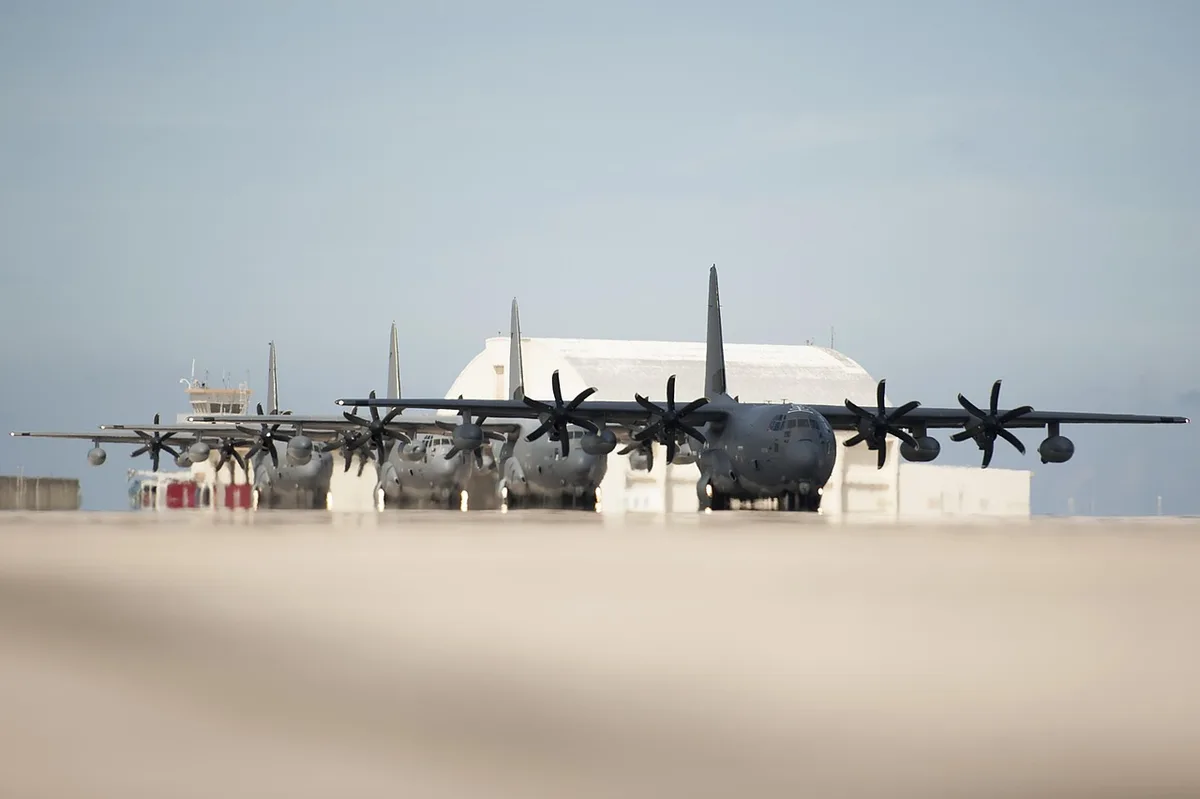
Officials highlighted ongoing construction and upgrades tied to long-range bomber programs, work that will shape depot maintenance and advanced manufacturing needs for the next generation of U.S. Air Force aircraft.
Local leaders also pointed to the FAA’s training and logistics center in Oklahoma City as a steady source of technical and administrative work that supports regional aviation activity.
- Private investment: Pratt & Whitney has opened a major military-engine facility in Oklahoma City, boosting local sustainment capabilities and supplier networks.
- Airport contributions: Combined operations at state airports contribute billions in output and sustain tens of thousands of jobs across sectors such as logistics, hospitality and maintenance.
- Supply-chain footprint: Hundreds of off-airport firms add another layer of economic activity, supporting manufacturing, repair and professional services.
Regional study confirms local momentum
A separate analysis from the Greater Oklahoma City Chamber examines the metropolitan market specifically and arrives at consistent conclusions: the private aerospace sector there directly employs more than 45,500 people and, when supplier and household spending are counted, supports roughly 80,200 jobs and nearly $9 billion in annual output.
The Chamber’s research found private aerospace output in the region grew by about 36% between 2020 and 2025, reflecting robust commercial and contractor activity beyond military spending.
Though the two studies use slightly different methodologies and geographic boundaries, both underscore a shared reality: aerospace and defense are central drivers of Oklahoma’s economic recovery and future growth.
International ties and workforce pipeline
State and regional leaders are also pushing outward: the Chamber recently hosted a delegation of Spanish aerospace and defense companies to explore partnerships and supply‑chain links, signaling an effort to attract foreign direct investment and new commercial relationships.
Workforce development is moving in parallel. State officials noted a rapid increase in high schools offering aviation and aerospace programs — now more than 170 — a gain officials say reflects targeted education initiatives meant to feed local employers and military installations with trained technicians and pilots.
Why it matters to Oklahomans: continued investment and training can protect jobs, expand higher-wage technical careers, and preserve the state’s role in national defense logistics.
As one senior state lawmaker put it at the report release, the current combination of facilities, private investment and training programs has put Oklahoma in a stronger position than ever to capture future aerospace work — a view echoed by military officials who say the state will play a central part in servicing next-generation aircraft.
For policymakers and business leaders, the immediate questions are how to sustain this momentum, translate investment into durable middle‑class jobs, and ensure the local education pipeline aligns with employer needs — issues the new studies raise plainly as Oklahoma positions itself for the next decade of aerospace demand.