At the Greater OKC Chamber of Commerce’s State of the Region 2026, business and civic leaders set out a concise agenda for the coming year, tying economic strategy to everyday concerns like jobs, housing and transportation. The event framed local policy choices as immediate levers that will affect how quickly Oklahoma City grows and who benefits from that growth.
Speakers cast the region’s short-term priorities as responses to ongoing change: workforce shifts, shifting energy markets and pressures on housing supply. Rather than distant projections, the discussion focused on decisions the metro can take now to influence investment patterns and quality of life over the next 12–24 months.
What leaders highlighted
Several recurring themes surfaced during the presentation and panel conversations:
Christa Pike released from hospital after failed execution, attorneys say
Dolly Parton tribute drives Madonna Inn crowds: steakhouse unveils limited menu
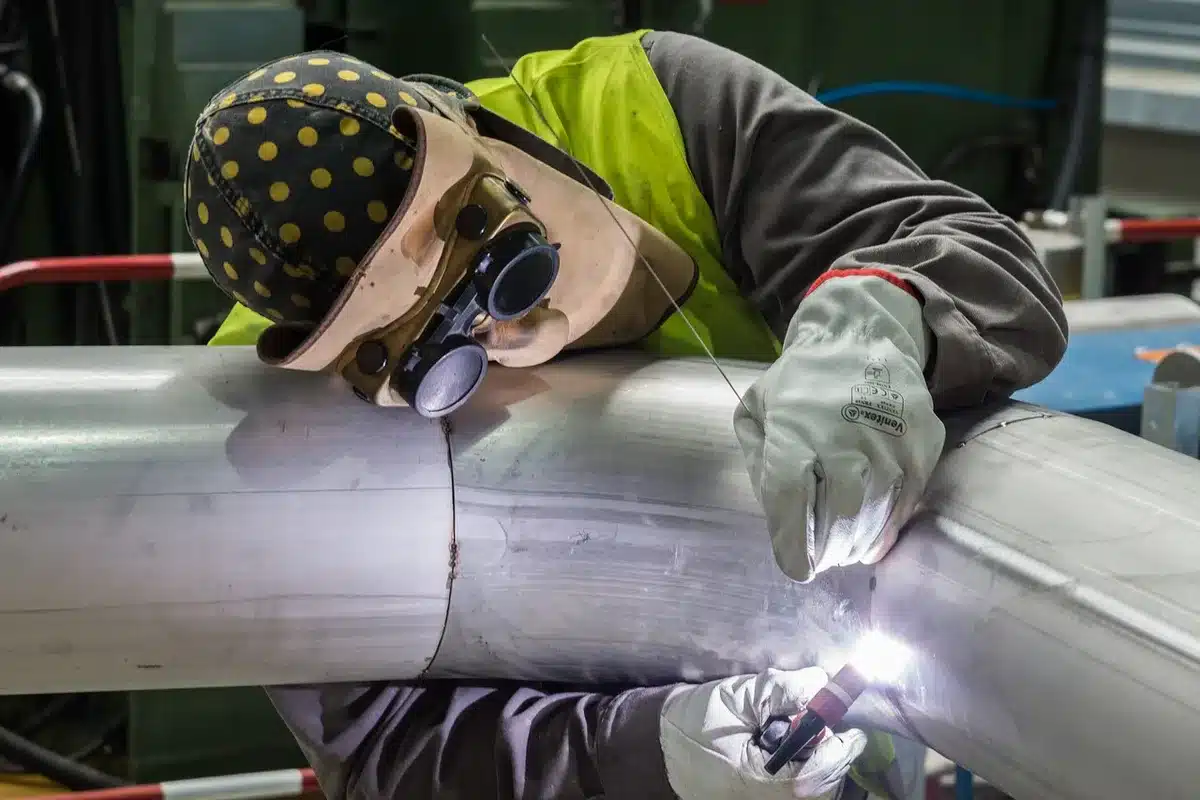
- Investment in workforce development to align training with employer needs, especially in technology and advanced manufacturing.
- Expanding and modernizing infrastructure — roads, transit and broadband — to support commuter flows and remote work.
- Addressing housing supply and affordability through policy incentives and public-private partnerships.
- Supporting small businesses and entrepreneurs to broaden the economic base beyond a few large employers.
- Coordinating economic development with education and workforce pipelines to retain young talent.
How this matters for residents and businesses
For local workers, emphasis on training and apprenticeships could mean more pathways into higher-paying roles without leaving the region. Employers heard a clear signal: the region expects them to be active partners in workforce solutions, from on-the-job training to internships.Homebuyers and renters should watch housing policy moves closely. If the Chamber’s proposals find traction with city and county leaders, residents may see accelerated construction of workforce and mixed-income housing — but changes will take time and will require permitting and financing shifts.
Commuters and remote workers have a stake in the infrastructure conversation. Investments in transit and broadband are framed not just as convenience upgrades but as economic tools to connect talent to opportunity across the metro.
Perspective and context
The Chamber positioned the 2026 agenda as pragmatic rather than ideological: priorities were framed as actionable items — funding mechanisms, partnership models and pilot programs — rather than broad platitudes. That practical bent reflects a desire among local leaders to translate economic optimism into measurable outcomes.Still, success depends on cross-sector cooperation. Business commitments must be matched by public investment and community engagement. The event underscored the political reality that implementation will involve trade-offs — between incentives and public budget priorities, and between rapid development and neighborhood preservation.
Key takeaways for readers
- The region’s near-term focus is on workforce, housing and infrastructure — not speculative sectors.
- Residents could see policy proposals move quickly if public and private leaders align.
- Small businesses remain central to the Chamber’s strategy and may gain more support opportunities.
- Expect follow-up announcements detailing pilot programs and funding plans over the coming months.
Next steps and what to watch
Organizers signaled several immediate follow-ups: public forums to refine housing proposals, requests for proposals for workforce training pilots, and a first round of grant or incentive packages from local economic development agencies. For the public, the practical impacts — new training slots, construction starts, or transit investments — will be the clearest measure of progress.As the 2026 agenda shifts from presentation to practice, the critical question is whether commitments translate into visible changes in employment opportunities, housing affordability and daily commutes across the Oklahoma City region.