Show summary Hide summary
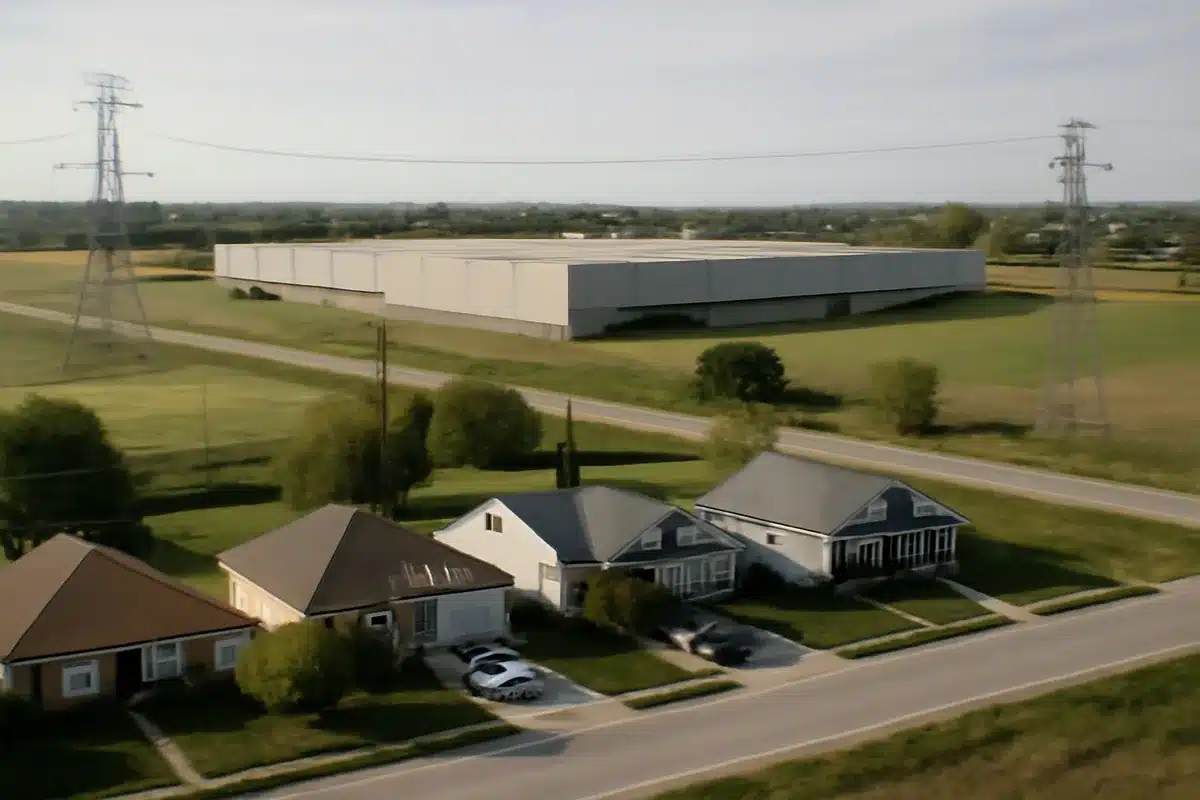
Rapid growth in data center construction across Oklahoma is reshaping some communities—and prompting fresh questions for people buying homes nearby. As large-scale server facilities multiply, prospective homeowners are weighing trade-offs that go beyond price and school districts: from utility impacts to zoning changes and long-term neighborhood character.
Why this matters now
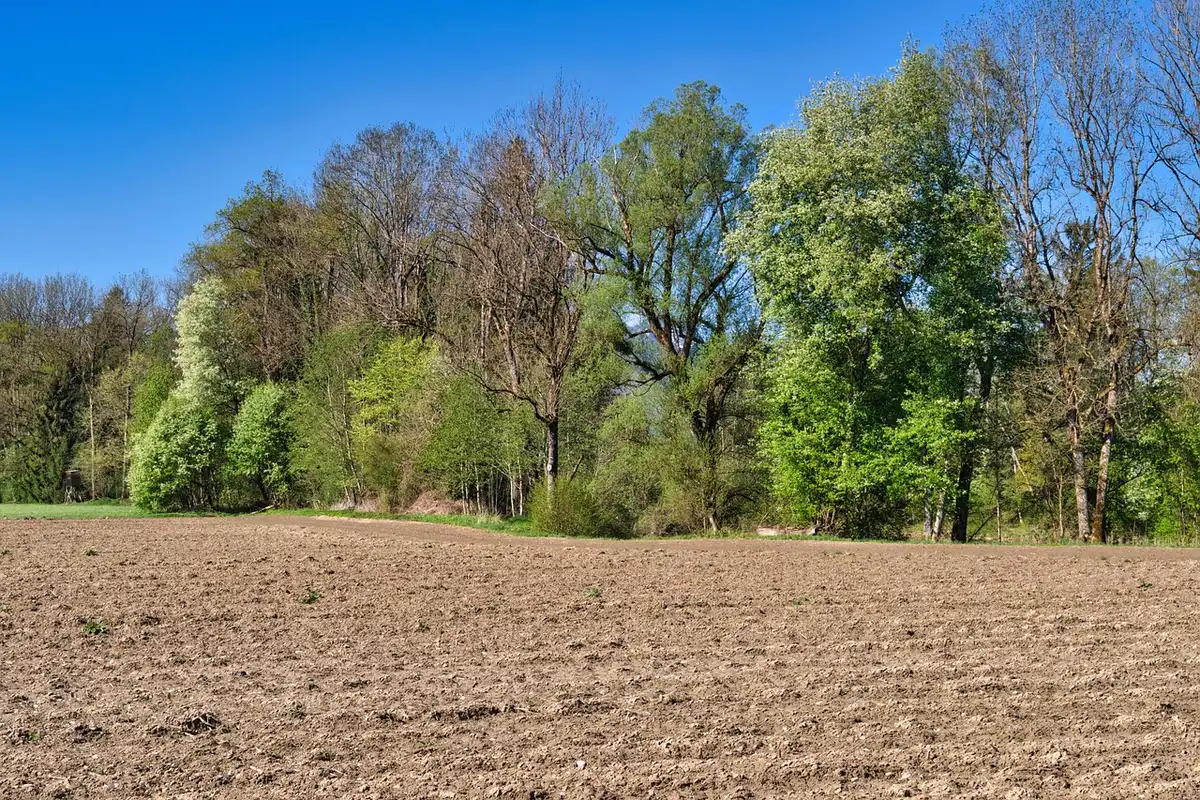
Developers are snapping up land at the edges of cities and in rural areas once valued for quiet and open space. Those deals move quickly and often bring local tax negotiations, new transmission lines and heavy construction traffic. For anyone looking to buy in affected areas, these are practical issues with immediate financial and lifestyle consequences.
Christa Pike released from hospital after failed execution, attorneys say
Dolly Parton tribute drives Madonna Inn crowds: steakhouse unveils limited menu
What data centers bring to a neighborhood
At first glance, a data center can appear as a neutral industrial building. But the facilities carry several knock-on effects that shape nearby real estate.
Most obvious are the short-term changes: noise from construction, larger vehicle flows and sometimes temporary road closures. Over the longer term, utilities and municipal services can be altered to support constant, large-scale electricity and cooling demands.
- Infrastructure upgrades: New substations or transmission lines can reduce local outages but may require easements and visible power corridors.
- Water use and cooling: Depending on the cooling technology, some facilities draw significant water or require special permits affecting local supply.
- Tax negotiations: Cities may offer abatements or incentives to attract investment, which can affect school and municipal budgets in complex ways.
- Employment effects: Construction brings jobs for a season; long-term operations typically hire far fewer people than the size of the buildings might suggest.
Local responses and planning
Municipal leaders often face a balancing act: the promise of increased tax revenue and improved grid resilience versus resident concerns about land use and environmental impacts. Planning commissions are revisiting zoning codes, and some counties have introduced new permitting rules aimed specifically at large data facilities.
Neighbors sometimes push for stricter setback requirements, noise limits, or environmental reviews. In other places, communities establish community benefit agreements to secure funding for parks, roads, or school improvements as part of development deals.
How this can affect homebuyers
For buyers, proximity to a data center can influence both daily life and future resale value. Some people tolerate—and even welcome—industrial neighbors if property taxes stabilize or infrastructure improves. Others may find the aesthetic and operational impacts a deterrent.
Key practical concerns include:
- Potential for increased traffic and heavy trucks during construction.
- Ongoing operational noise from cooling systems or generators.
- Changes to local utility rates or service priorities tied to new grid connections.
- Possible alterations to groundwater or surface water availability where high-volume cooling is used.
Questions every buyer should ask
Before making an offer, talk to the seller, the local planning office and neighbors. At minimum, ask about:
- Permits and projected timeline for any nearby data center projects.
- Expected traffic patterns during and after construction.
- Any tax incentives or abatements tied to the facility that could change municipal revenues.
- Environmental assessments, including water usage and noise studies.
- Utility easements, new power lines, or substation plans near the property.
Balancing risks and rewards
Data centers can be transformative: they bring capital and sometimes durable infrastructure upgrades. But the benefits are uneven and often concentrated in municipal budgets rather than household incomes. Buyers should weigh short-term disruptions and long-term planning decisions against potential improvements to services or property tax outcomes.
For many prospective homeowners in Oklahoma, the question is not whether data centers are coming—they already are in many counties—but whether the trade-offs align with their priorities: quiet and rural character, or stronger utility networks and economic development.
Talking with city planners, reviewing local zoning changes, and requesting copies of environmental and traffic studies will give homebuyers the clearest picture of what to expect—and what to negotiate for—before signing on the dotted line.