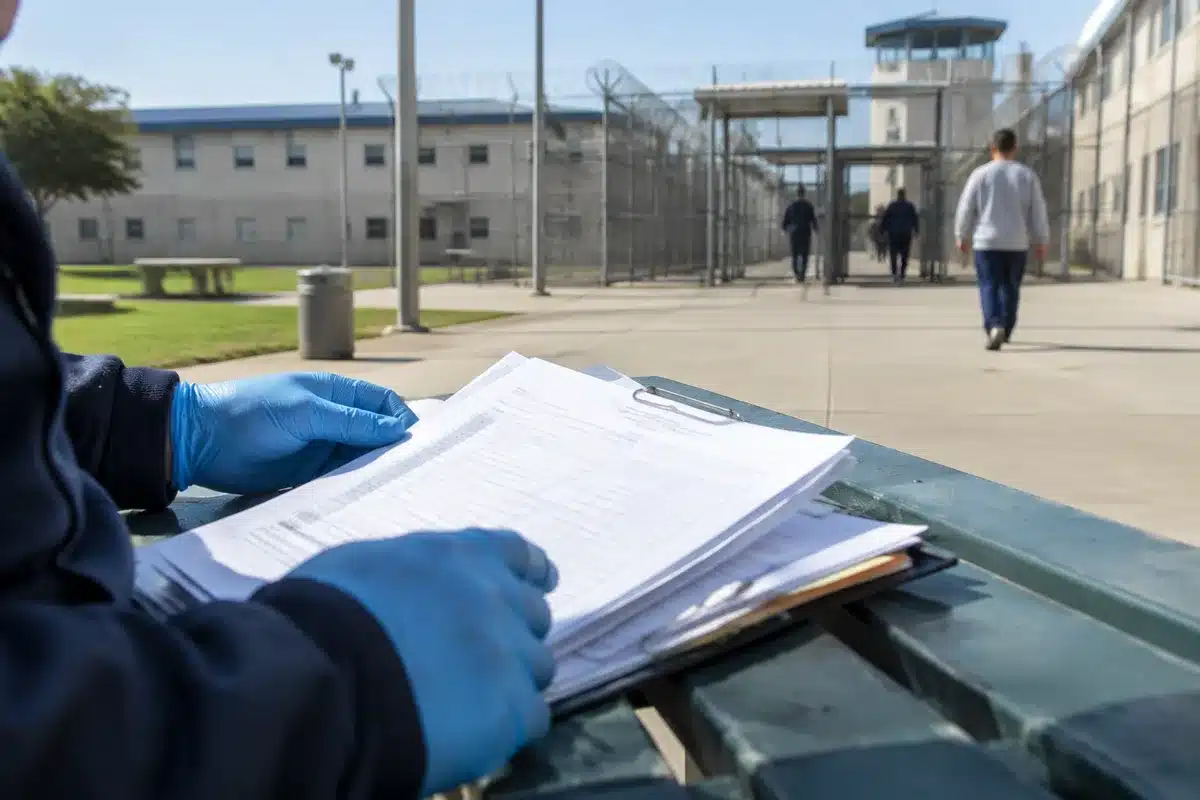
A man convicted in the 2007 murders of a young mother and her child is scheduled to be executed at the Oklahoma State Penitentiary in McAlester at 10 a.m., according to state notices. The case, now more than a decade old, highlights continuing debates over capital punishment procedures and the finality of long-running appeals.
Raymond Johnson was sentenced to death after being found guilty in the slayings of 24-year-old Brooke Whitaker and her daughter. State officials list a lethal injection at the McAlester facility as the method and time for the planned execution.
Legal context and what to watch
Capital cases commonly produce last-minute legal filings, requests for clemency and public statements from both victims’ families and advocacy groups. In Oklahoma, such efforts have on occasion delayed or altered scheduled executions, and authorities typically confirm final logistics only hours before a procedure.
Christa Pike released from hospital after failed execution, attorneys say
Dolly Parton tribute drives Madonna Inn crowds: steakhouse unveils limited menu
Public stakes are practical and emotional: for survivors and relatives, the execution can represent closure or a reopening of pain; for the judicial system, each execution tests procedures, medical protocols and administrative readiness. Observers will be watching for any filings from defense lawyers, notices from the Oklahoma Department of Corrections, or intervention by state officials that could change the outcome.
Key facts at a glance
- Scheduled time: 10 a.m. (local time)
- Location: Oklahoma State Penitentiary, McAlester
- Individual: Raymond Johnson
- Conviction: 2007 murders of Brooke Whitaker, 24, and her daughter
- Sentence: Death
- Method: Lethal injection
Broader implications
Oklahoma remains among the U.S. states that carry out capital punishment, and each high-profile execution tends to revive questions about fairness, evidence standards and the availability of execution drugs. Medical and legal experts have previously criticized aspects of lethal-injection protocols nationwide, prompting policy reviews and, in some instances, temporary moratoriums.
What comes next
Officials at the Oklahoma Department of Corrections are the authoritative source for confirmation of execution timing and any last-minute changes. If no stays or clemency actions are granted, the scheduled procedure is expected to proceed; if petitions are filed, courts could intervene.
As events unfold, journalists and legal observers will track court dockets, statements from attorneys and any public comments from the families involved to provide a clearer picture of the case’s final chapter.