Show summary Hide summary
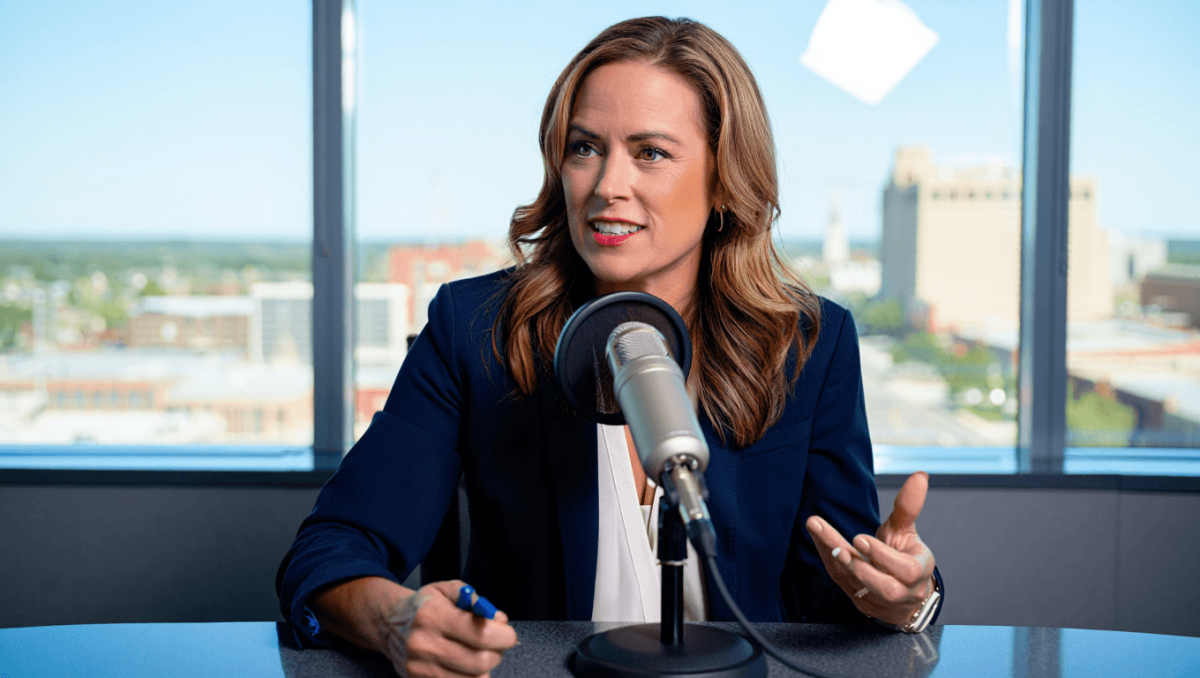
Oklahoma City is drawing fresh national attention after Christy Gillenwater appeared this week on two economic development podcasts to explain how decades of civic projects and a conservative financing approach have reshaped the region. Her interviews outline why those choices matter now — from hosting Olympic events to sustaining job growth in aerospace and defense.
On the Econ Dev Show with Dane Carlson, Gillenwater traced the city’s rise to a voter-driven capital program known as MAPS, which has guided investment in parks, infrastructure and cultural amenities for roughly three decades. Rather than borrowing to start work, the city waits until tax revenue is collected before moving forward with projects — a discipline she says helped avoid heavy debt burdens while delivering a steady stream of civic improvements.
The conversation ranged from program mechanics to the broader consequences for quality of life and long-term competitiveness. Gillenwater argued that a pay-as-you-go model allowed city leaders to sequence projects deliberately and build public support over time.
Christa Pike released from hospital after failed execution, attorneys say
Dolly Parton tribute drives Madonna Inn crowds: steakhouse unveils limited menu
Olympic spotlight and local facilities
On Standard & Works with Zach Silber, the focus shifted to the immediate payoff: Oklahoma City will host events tied to the LA28 Olympic Games, thanks in part to investments made under MAPS.
Facilities such as RIVERSPORT Rapids and Devon Park are scheduled to stage canoe slalom and softball, making Oklahoma City the first community outside a host metro to host two full Olympic sports. That distinction brings a short-term tourism boost and raises the city’s profile for future events and conventions.
- Key MAPS projects: public parks, sports venues, river development and downtown improvements built over three decades.
- Olympic impact: RIVERSPORT Rapids and Devon Park selected as LA28 competition sites, increasing national visibility.
- Economic anchors: major aerospace and defense installations, including Tinker Air Force Base and the Mike Monroney Aeronautical Center, continue to drive employment and attract investment.
Why this matters now
The timing is significant. The Olympic selections create an immediate window for visitor spending and media exposure, while the long-term investments underpin talent recruitment and private-sector interest. City officials frame the MAPS strategy as a foundation that turned isolated projects into a cumulative advantage — one that now converges with federal and industry attention on aerospace, defense and urban amenities.
Yet the approach also carries implicit obligations: maintaining revenue discipline, keeping projects aligned with community needs, and ensuring operational budgets can support new facilities. Gillenwater’s interviews underscore that careful fiscal planning — not rapid borrowing — has been central to sustaining momentum.
Taken together, her recent podcast appearances signal a deliberate effort by Oklahoma City to tell a national audience that its transformation is both planned and durable. For residents and potential investors, the key takeaway is practical: the city’s gains rest on decades of staged investment and a finance model that favors predictability over leverage.