Show summary Hide summary
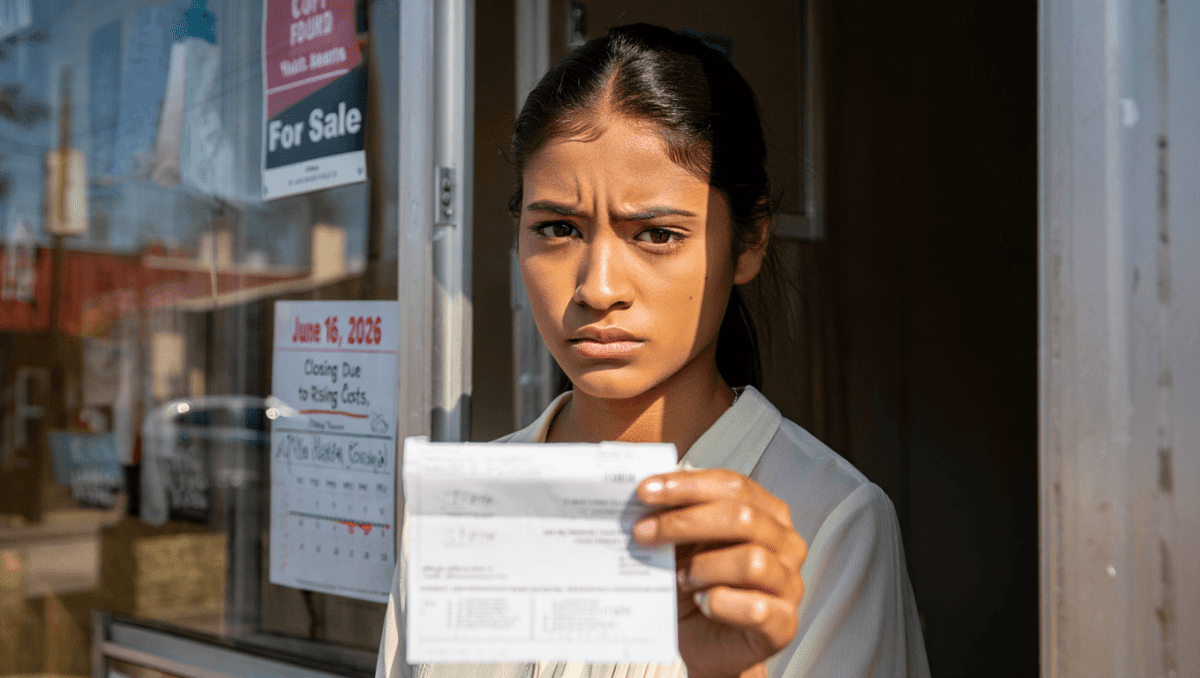
Oklahoma voters will decide State Question 832 on June 16, 2026 — a measure that would raise the statewide minimum wage and rewrite how future increases are set. The outcome will shape paychecks, small-business budgets and the state’s affordability picture for years to come.
The proposal would lift the current $7.25 hourly floor to $15 by 2029 and then link future adjustments to a federal inflation index. Supporters say it guarantees pay raises for low-wage workers; critics warn the speed and automatic nature of the increases could strain local employers.
What the ballot measure would do
At its core, the amendment changes three things: the immediate wage schedule, the group of workers covered by the law, and the mechanism that updates the wage after 2029. Under the plan, annual increases stop being a legislative decision and become automatic.
Christa Pike released from hospital after failed execution, attorneys say
Dolly Parton tribute drives Madonna Inn crowds: steakhouse unveils limited menu
| Year | Proposed Minimum Wage |
|---|---|
| 2026 | $10.50 |
| 2027 | $12.00 |
| 2028 | $13.50 |
| 2029 | $15.00 |
Beginning in 2030, the wage would rise each year according to the CPI-W — the Consumer Price Index for Urban Wage Earners and Clerical Workers — a national inflation measure. Because that index reflects price trends in expensive metropolitan areas as well as lower-cost regions, long-term increases could be larger than many Oklahomans expect.
Who would be affected
The amendment also removes several existing exemptions in the state minimum-wage statute, extending coverage to more part-time, younger and industry-specific workers. The result is a broader application of the wage floor across Oklahoma’s workforce.
Federal data show only a small share of Oklahoma workers currently report $7.25 hourly wages — roughly 5,000 people out of about 1.69 million wage and salary workers in 2024 — but the constitutional change would affect pay rules for a far larger group.
Concerns from the business community
Local employers broadly support higher pay, executives say, but many object to this proposal’s pace and automatic escalation.
For small, locally owned firms with narrow profit margins, the jump to $15 and subsequent annual adjustments tied to a national index are seen as potential pressure points. Labor costs are a leading expense for restaurants, retail shops and other service businesses that hire many entry-level workers.
- Raise prices for customers
- Slow or pause hiring
- Cut employee hours or trim benefits
- Postpone expansion plans
“We back wage growth, but a fast schedule plus an automatic escalator keyed to national data could create ongoing costs that don’t match Oklahoma’s market,” said Mike Jackson, senior vice president for government relations at the Greater Oklahoma City Chamber. His comment reflects a common concern among chambers of commerce and small-business groups in the state.
Why the escalator matters long term
The measure’s automatic update after 2029 removes routine legislative or voter oversight. Because the formula uses a national index, Oklahoma wage levels would rise with inflation measured across the country — including expensive coastal cities — rather than with local economic indicators.
Analysts note that under typical inflation scenarios, that type of escalator could drive the effective minimum well above $15 within a decade, potentially reaching into the mid-to-high twenties per hour by 2040. Such an outcome would reshape labor costs across multiple sectors.
Context: wages are already changing
Market forces have pushed many entry-level wages in Oklahoma’s urban areas above the statutory floor. In places like Oklahoma City, starting pay for many positions is often in the low- to mid-teens, reflecting competition for workers rather than the current law.
The debate, therefore, centers less on whether wages should rise and more on how quickly and by what mechanism increases should occur.
What voters should weigh
State Question 832 packages a rapid, near-term increase with broader coverage and an indefinite, index-based climb thereafter. Voters will need to balance the immediate benefit to workers against the potential for sustained cost pressures on employers and the risk of reducing entry-level opportunities.
A middle path favored by many business groups would spread increases more gradually or tie future adjustments to state-level economic indicators instead of a national CPI measure. That approach aims to preserve affordability while still raising pay.
On June 16, Oklahomans will decide whether to enshrine a new wage formula in the state constitution — a choice that will affect household budgets, small businesses and the long-term economic profile of the state.