Show summary Hide summary
On its one-year anniversary, Oklahoma City’s new mental health response team has taken on thousands of crisis calls, offering a non‑police option for residents facing behavioral-health emergencies. City officials say the program is shaping how first response works locally and will factor into decisions about funding and expansion this year.
A new option for crisis response
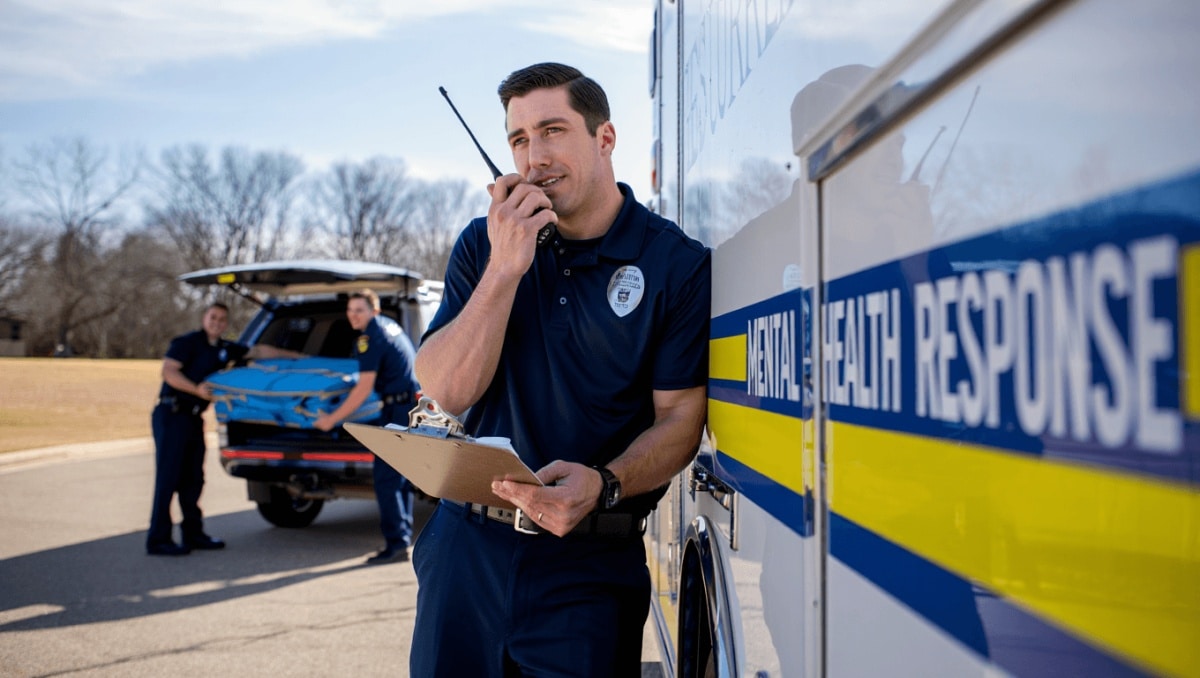
The mental health response team was launched to send trained clinicians and crisis workers to certain 911 calls instead of—or alongside—law enforcement. The goal: de-escalate situations rooted in mental illness, substance use or acute distress and connect people to care rather than move them into the criminal justice system.
Christa Pike released from hospital after failed execution, attorneys say
Dolly Parton tribute drives Madonna Inn crowds: steakhouse unveils limited menu
Officials report the unit was dispatched to thousands of incidents during its inaugural year. In many cases, responders were able to stabilize callers on scene and arrange follow-up care without arrest or emergency-room transport.
What the team does on the ground
- Responds to behavioral-health-related 911 calls and welfare checks
- Provides crisis counseling and short-term stabilization
- Links individuals to community services and outpatient treatment
- Coordinates with police and EMS when safety risks require co-response
Those activities aim to reduce the pressure on police patrols and hospital emergency departments while offering care tailored to mental-health needs. City leaders emphasize the program is not a replacement for officers where immediate safety concerns exist, but an alternative when crisis intervention is the priority.
Early results and community reaction
Community advocates and some city officials have praised the team’s ability to reach people who might otherwise cycle through jails or ERs. Preliminary reporting suggests callers often respond better to clinicians than to uniformed officers, improving chances for voluntary follow-up treatment.
At the same time, stakeholders note limitations: follow-up services remain patchy, staffing the unit is challenging, and outcomes data are still being compiled to measure long-term impact.
Challenges ahead
Maintaining and expanding the program will hinge on several practical issues. Funding must be sustained beyond initial startup grants, and hiring clinicians with crisis experience has proven difficult in a tight labor market. Record-sharing and coordination between city departments, hospitals and community providers also require more work to ensure people get continuous care.
Officials say they will present a one-year review to the city council that outlines performance metrics, cost comparisons with traditional responses, and recommendations for scaling the model.
Why this matters now
As cities nationwide reassess how emergencies are handled, Oklahoma City’s experience offers an immediate test case: can non-police responders safely and effectively manage a significant share of behavioral-health calls? The outcome will influence budget decisions, public-safety priorities and the availability of humane crisis care for residents.
What to watch next:
- City council review and any vote on permanent funding
- Published metrics on call outcomes, including hospital transports and arrests
- Plans to broaden coverage hours or increase staffing
- Community-provider agreements to improve follow-up care
The first year has shown that a clinician-led response can be a meaningful complement to traditional emergency services. The coming months will determine whether the program grows, adapts, and becomes a lasting component of Oklahoma City’s public-safety and health strategy.