Show summary Hide summary
The dispute over pay increases at the Oklahoma County jail may be decided at the trust’s next meeting, a move that could render a pending court fight unnecessary and clarify who approved the raises. The outcome, now set for a May 11 vote, carries immediate implications for county accountability and potential legal costs for taxpayers.
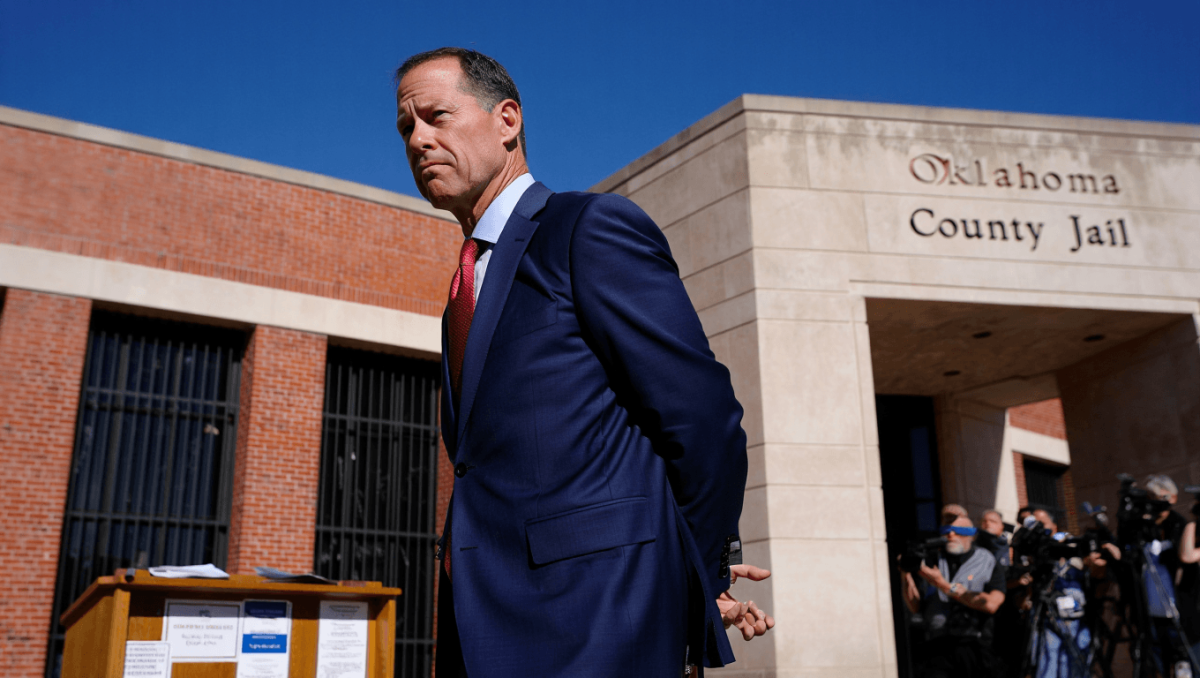
At a hearing Thursday, April 30, trustee the Rev. Derrick Scobey told a judge he will place the contested salary action on the jail trust agenda in an effort to resolve litigation over whether the raises were authorized. The announcement came during a hearing tied to a temporary restraining order and injunction filed by activist C.J. Webber-Neal (also known as Chad Neal) against trust chairman Jim Holman.
Neal’s petition — filed April 6 — alleges that raises were implemented without proper authority. The move to put the item to a public vote stems from those concerns and from trustees’ earlier decision in January to freeze pay increases.
Christa Pike released from hospital after failed execution, attorneys say
Dolly Parton tribute drives Madonna Inn crowds: steakhouse unveils limited menu
Neal said he plans to ask the court to dismiss his suit regardless of the trust’s decision, but he has kept another front open: a formal complaint with the Oklahoma Bar Association alleging that the trust’s attorney, Aaron Etherington, went beyond legal argument in court filings and launched a personal attack by citing Neal’s criminal past.
Why the issue matters now
Transparency and process are at stake. If the trust votes publicly on the raises, the record would show who approved — or rescinded — the pay actions and when. That clarity could halt the litigation and limit further legal expenses for the county.
At the same time, the ethics complaint could trigger an independent review of conduct by the trust’s lawyer, a separate process that may continue even if the underlying dispute ends by vote.
Key facts and timeline
Briefly, here are the developments that have led to this moment:
- Jan. 9: Jail administrator Tim Kimrey notified staff of intended raises set to take effect Jan. 21, according to a memo obtained by news outlets.
- Jan. 12: The jail trust voted to freeze salaries three days after the memo was issued.
- April 6: Neal filed for a restraining order and injunction alleging unauthorized spending and lack of documentation for the raises.
- April 17: An initial court proceeding took place; Holman did not appear.
- April 30: At a hearing over the restraining order, trustee Derrick Scobey said the trust will vote on the raises at its May 11 meeting.
Neal has maintained he cannot find public records that show who approved the raises or whether they were formally rescinded. Jail officials later told trustees the raises had been rescinded or converted to comp time, but Neal says he has not seen supporting documentation in the public record.
Possible outcomes from the May 11 vote
- Vote to reject the raises: Would likely remove the primary basis for Neal’s injunction and could prompt him to drop the case.
- Vote to approve the raises: Could revive the legal challenge and prompt further court scrutiny of the trust’s process.
- Formal documentation recorded: Either decision, if documented in minutes or formal action, would create a public paper trail that Neal says is missing.
- No decisive action: If the trust fails to settle the matter, litigation and related disputes — including the Bar Association complaint — would likely continue.
Legal technicalities have complicated Neal’s case. He initially filed under the name of his nonprofit, the Neal Center for Justice Inc., representing the organization “pro se.” The trust’s attorney challenged that approach because corporations generally cannot represent themselves in court. Neal then refiled in his own name; a judge signaled such procedural issues would need to be addressed if the dispute proceeds.
The other central controversy involves the tone and content of the trust attorney’s filing. According to court documents, the attorney cited Neal’s prior felony convictions and accused him of seeking publicity. Neal labels those passages an improper, prejudicial attack and has cited rules of professional conduct in his grievance to the Bar.
The Oklahoma Bar Association’s Office of the General Counsel can respond in several ways — open an investigation, request additional information, ask the attorney to respond, or decline action. The association’s website says responses generally take a few weeks.
Whether the dispute is resolved by the May 11 vote or carried into further proceedings, the episode raises questions about public record-keeping, internal controls at the jail trust, and the costs of resolving governance disputes in court. For county residents — the ultimate payers for litigation and jail operations — the stakes are immediate: clarity on how public funds and personnel decisions are handled, and whether the trust’s procedures meet public expectations for transparency.
District Judge Sheila D. Stinson heard the matter on April 30. The jail trust’s next meeting, where the vote will be held, is scheduled for May 11.