Show summary Hide summary
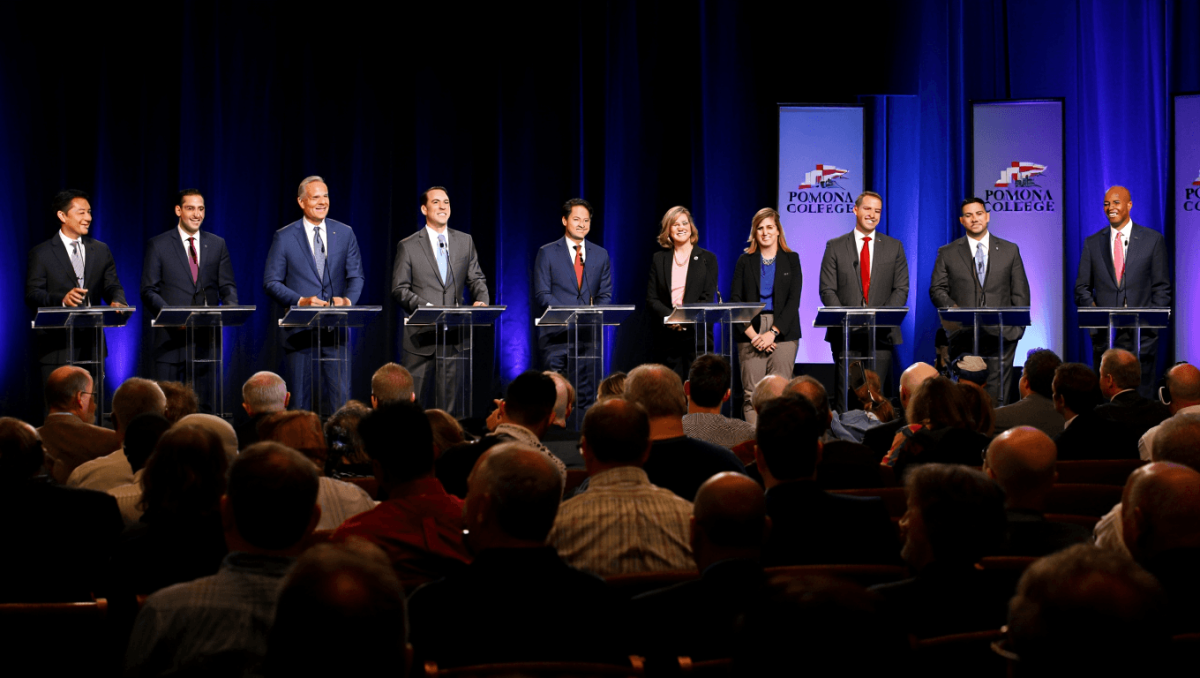
California’s second televised gubernatorial debate on April 28 will gather eight leading contenders at Pomona College’s Bridges Auditorium, offering voters one of the last high-profile opportunities to compare policies before ballots start arriving. With the June 2 primary less than six weeks away, the event could sway undecided voters and clarify sharp contrasts on health care, housing and public safety.
Who will appear on stage
- Xavier Becerra (D) — Former U.S. health secretary and state attorney general, emphasizing broader access to care and ambitious health-policy reforms.
- Chad Bianco (R) — Riverside County sheriff focused on boosting law enforcement resources and tougher penalties for repeat violent offenders.
- Steve Hilton (R) — Former media commentator and political adviser advocating major tax changes, including lower rates for most earners.
- Matt Mahan (D) — San Jose’s mayor proposing short-term tax relief measures aimed at easing cost-of-living pressures.
- Katie Porter (D) — Ex-congresswoman and consumer advocate who joined the gubernatorial contest after a 2024 Senate bid.
- Tom Steyer (D) — Investor and prior presidential candidate pushing for federal-state clashes over immigration enforcement and health coverage expansion.
- Tony Thurmond (D) — State superintendent of public instruction who qualified for the forum based on poll standing and ballot access.
- Antonio Villaraigosa (D) — Former Los Angeles mayor returning to a statewide race with a focus on housing and energy infrastructure.
Christa Pike released from hospital after failed execution, attorneys say
Dolly Parton tribute drives Madonna Inn crowds: steakhouse unveils limited menu
Organizers originally invited nine candidates; Democrat Betty Yee withdrew after accepting the invitation. Earlier this month, former Rep. Eric Swalwell left the race amid allegations of sexual misconduct, which he has denied.
Format, hosts and selection rules
The 90-minute debate is hosted by the Asian Pacific American Public Affairs Association in partnership with CBS and Pomona College. The college has presented the venue as politically neutral; APAPA and the broadcasters say candidates were chosen using explicit criteria.
To qualify, campaigns had to be active, candidates had to appear on the ballot, and each contender needed to register at least 1% support in two independent statewide polls — the Emerson College and the LA Times/UC Berkeley surveys. That threshold narrowed the field to those demonstrating minimal voter backing.
Why this debate matters now
County election officials will begin mailing ballots on May 4, compressing the window for voters to review positions. In California’s open primary system, the top two finishers—regardless of party—move on to the November general election, so small shifts in voter sentiment during April and May can be decisive.
Policy contrasts likely to draw attention include proposals on health care financing, state and local tax plans, strategies for addressing homelessness and housing affordability, public-safety funding, and where California law should stand in relation to federal immigration enforcement.
Key moments to watch
- How candidates defend or detail proposals for health-care expansion and affordability.
- Responses to public-safety questions, including plans for policing and repeat-offender enforcement.
- Specifics on housing — whether candidates offer short-term relief measures or long-term infrastructure investments.
- Fiscal plans that would change taxes or create new revenue rules affecting middle-income Californians.
- Interactions that reveal which contenders can broaden appeal beyond their core base ahead of the primary.
The first debate, held April 22 at KRON4 in San Francisco, featured six candidates. A third televised forum is scheduled for May 5 on CNN. Broadcasters in Los Angeles, San Francisco, San Diego, Sacramento, Fresno and Santa Barbara will carry the April 28 event, and local station websites will stream it live.
With ballots hitting mailboxes shortly after, the Pomona debate is likely to be one of the last major moments for voters to measure candidates side by side before making their choices in the June primary.