Show summary Hide summary
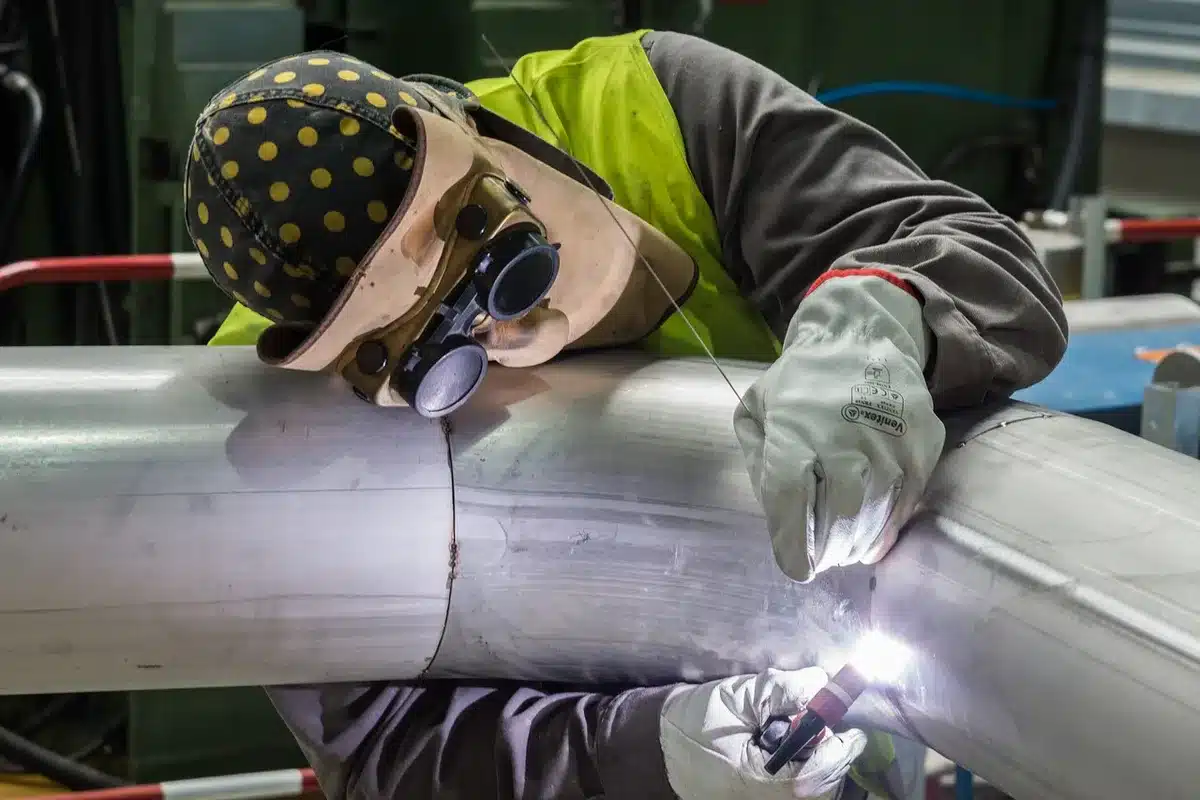
As workers around the globe recognize May Day, renewed attention has landed on U.S. labor history and current organizing after a group of U.S. mayors this spring marked the Haymarket centennial with a new declaration supporting labor rights. The day matters now because organizers and local leaders are using the anniversary to press for stronger workplace protections and to mobilize events—small and large—across the country.
What May Day commemorates
May 1, widely observed as International Workers’ Day, traces much of its symbolism to the 1886 labor struggles in Chicago known as the Haymarket Affair. The protests that year, part of a nationwide push for an eight-hour workday, escalated into violence and helped shape labor movements in the decades that followed.
Christa Pike released from hospital after failed execution, attorneys say
Dolly Parton tribute drives Madonna Inn crowds: steakhouse unveils limited menu
In April 2026, Chicago’s mayor and several other city leaders publicly acknowledged the anniversary by signing the Haymarket Declaration, an act that brought fresh attention to worker demands and municipal support for labor rights. That development has given momentum to organizers who say this generation of labor activism will look different from past campaigns.
How the United States treats May Day
The United States does not observe May 1 as a federal holiday. Instead, Labor Day on the first Monday in September serves as the primary American holiday honoring workers, typically with a focus on celebration rather than protest.
Despite that, May Day still sees activity—particularly from unions, immigrant-rights groups and left-leaning coalitions—which often stage rallies, teach-ins and marches. For most Americans, however, May 1 is a normal workday: schools remain open and government offices operate as usual.
Local scene: Oklahoma this year
There are no major statewide demonstrations scheduled in Oklahoma for this May Day, though the state has hosted hundreds-strong marches in previous years tied to federal policy protests.
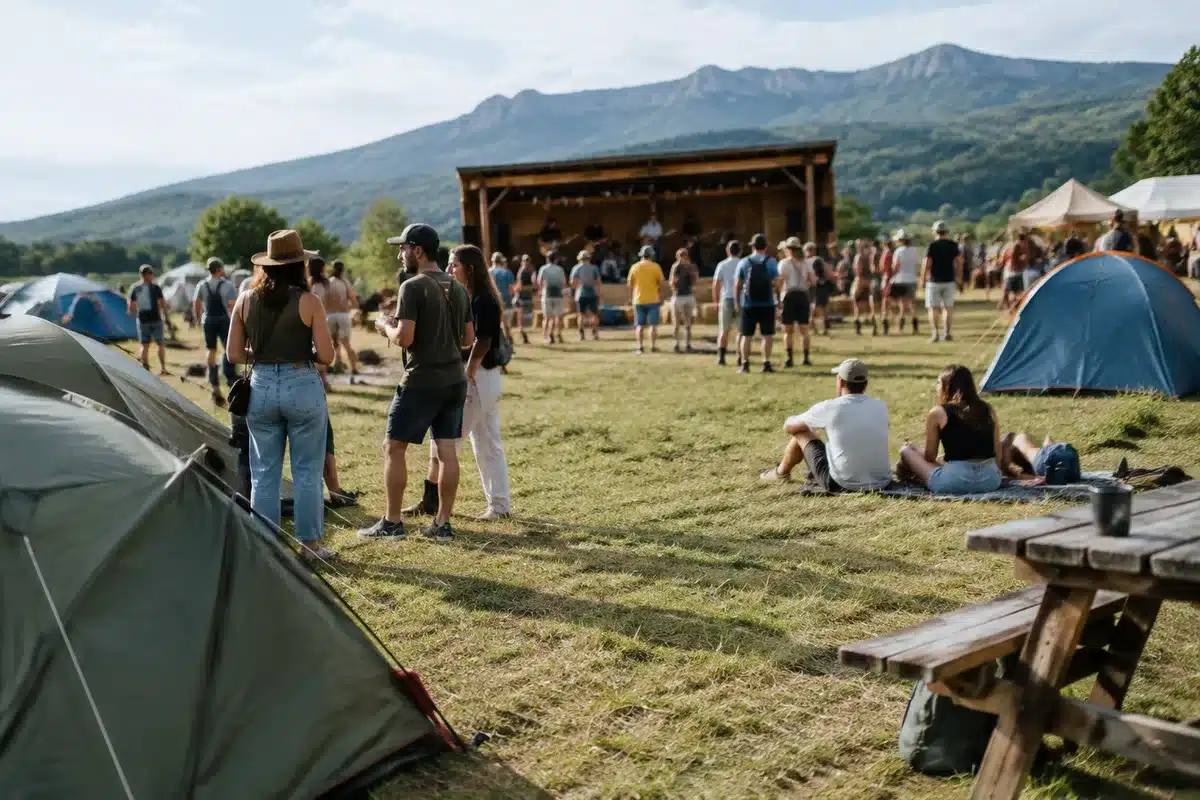
Smaller community gatherings are planned, reflecting the local emphasis on education and outreach rather than large-scale protest. These events are aimed at building solidarity and explaining how labor organizing functions at the neighborhood level.
Notable events to watch
The following local activities have been announced:
- In Oklahoma City, Calle dos Cinco is organizing a two-part program beginning at the Ronald J. Norick Downtown Library from 4:00 to 6:00 p.m. The first segment focuses on the mechanics and goals of labor organizing, including strategies for building class solidarity and long-range plans discussed by participants for a potential coordinated action by 2028. The second segment moves to Calle dos Cinco Plaza for a panel of labor organizers, live music and food offerings.
- In Norman, organizers plan a casual community gathering at Andrews Park from 1:00 to 3:00 p.m., intended to spotlight small businesses and strengthen local ties.
Why this matters to readers
May Day is more than a historical footnote: it’s a recurring barometer of worker sentiment and civic engagement. When municipal leaders publicly back labor causes or when organizers outline long-range plans—like the strategy conversations several groups are now pursuing—it signals shifting priorities for employers, policymakers and voters.
For employees and employers alike, these developments can affect negotiations over pay, scheduling, and workplace conditions. For residents, public events may mean street closures or increased local activism in the weeks that follow.
Quick facts
- Date: May 1 (International observance; not a U.S. federal holiday)
- Origin: Linked to late-19th-century labor struggles and the push for an eight-hour workday
- U.S. holiday equivalent: Labor Day (first Monday in September)
- This year’s context: Recent mayoral recognition of the Haymarket anniversary and local organizing efforts
As May Day events unfold, they provide a window into how labor issues are being reframed for today’s workforce and what organizers and local leaders hope to achieve in the months and years ahead.