Show summary Hide summary
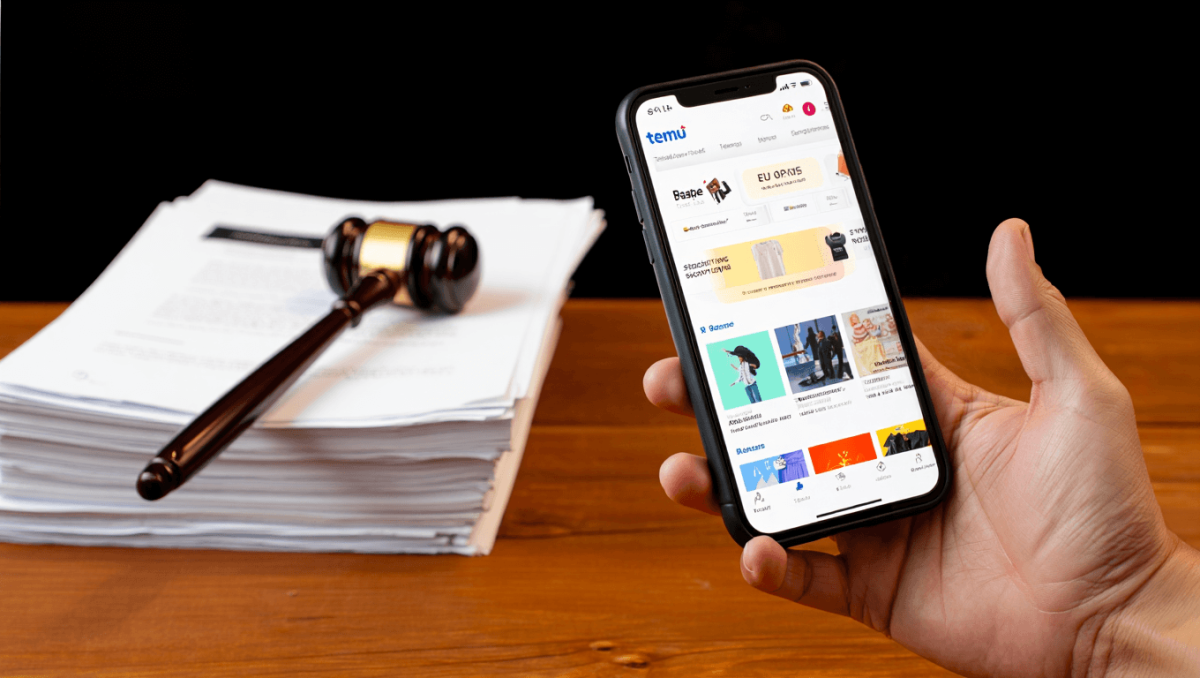
Oklahoma’s attorney general has filed suit against the popular bargain-shopping app Temu, alleging the company secretly harvests sensitive user information and sells counterfeit state-related merchandise. The case, lodged in Cleveland County this month, raises fresh questions about consumer privacy, supply-chain transparency and potential national security risks tied to data flows to China.
What the lawsuit alleges
The complaint, filed May 6 by Attorney General Gentner Drummond, accuses Temu of a range of improper practices that the state says harm Oklahomans and local businesses. Oklahoma’s legal team hired digital forensics experts who, according to the filing, found evidence the app captures private data without clear user consent and is engineered to make that activity difficult for outside researchers to detect.
Key allegations in the suit include:
Christa Pike released from hospital after failed execution, attorneys say
Dolly Parton tribute drives Madonna Inn crowds: steakhouse unveils limited menu
- Unauthorized data collection: Forensic analysis cited in the complaint says the app gathers precise GPS location data, accesses device camera and microphone inputs and records activity from other installed apps.
- Deceptive user recruitment: The state alleges Temu employed “bait-and-switch” sign-up offers that encouraged downloads and referrals with promised rewards that never materialized.
- Counterfeit goods: The lawsuit claims dozens of listings falsely purport to be licensed merchandise for local institutions such as the Oklahoma City Thunder, University of Oklahoma and Oklahoma State University.
- Forced-labor concerns: Oklahoma’s filing also asserts the company failed to disclose ties to supply chains that may involve forced labor from Uyghur communities in Xinjiang, a potential violation of U.S. trade law.
- Links to China-based operations: While Temu’s parent has relocated corporate offices, the suit says substantial operations and subsidiaries remain in China, creating a risk data could be accessed by state actors.
The filing further contends that the app’s architecture appears to be “purposely designed” to avoid detection by third-party security researchers, a claim meant to bolster the state’s assertion that the activity was intentional rather than accidental.
Evidence, corporate response and legal context
Oklahoma’s attorneys rely on expert forensic reports and consumer complaints as the basis for civil claims that include deceptive trade practices and privacy violations. The state is seeking remedies that could include monetary penalties and court orders to change practices or restrict the app’s operation.
Temu has publicly denied the allegations and told reporters it plans to vigorously defend itself. In a written statement, a company spokesperson described Temu as a platform that connects consumers with affordable goods and supports sellers, while rejecting claims of illegal behavior.
The lawsuit arrives amid broader scrutiny of the company. Regulators and attorneys general in multiple states have pursued similar investigations and civil suits: Arkansas brought a high-profile case in 2024, and additional actions were filed in states including Nebraska, Kentucky, Arizona and Texas over 2025–2026. In mid-2023, both Apple and Google briefly removed the app from their stores amid security concerns raised by various news outlets and researchers.
Why this matters now
For everyday users, the case highlights concrete privacy risks: if the allegations are true, commonplace activities on a smartphone could expose location, conversations and other private signals to third parties without clear consent. For local businesses and universities, the complaint underscores the economic harm from counterfeit merchandise siphoning sales and diluting brands.
There are broader implications as well. Oklahoma’s suit explicitly links potential data transfers to Chinese entities, invoking Chinese laws that the complaint says can compel access to information. That element of the case feeds into a larger national debate about cross-border data governance, supply-chain oversight and how governments should respond when apps with foreign connections operate at scale in the U.S.
Political dynamics also surround the filing: Drummond is campaigning for governor and has made limiting foreign influence a campaign issue, meaning the lawsuit carries both legal and electoral resonance.
What could happen next
Procedurally, Temu must respond in court; discovery would follow if the case proceeds, allowing both sides to gather more technical and documentary evidence. Potential outcomes include negotiated settlements, injunctions that change app behavior, or monetary penalties if Oklahoma prevails.
- Possible legal remedies: fines, injunctions, consumer restitution
- Regulatory fallout: additional state or federal probes, app restrictions
- Consumer impact: increased scrutiny of app permissions and data practices
As the lawsuit moves through Cleveland County District Court, observers will watch closely for technical disclosures from both the state’s experts and Temu’s defense. That information will be central to determining whether the case is an isolated consumer-protection matter or part of a broader pattern of risky data practices with international implications.