Show summary Hide summary
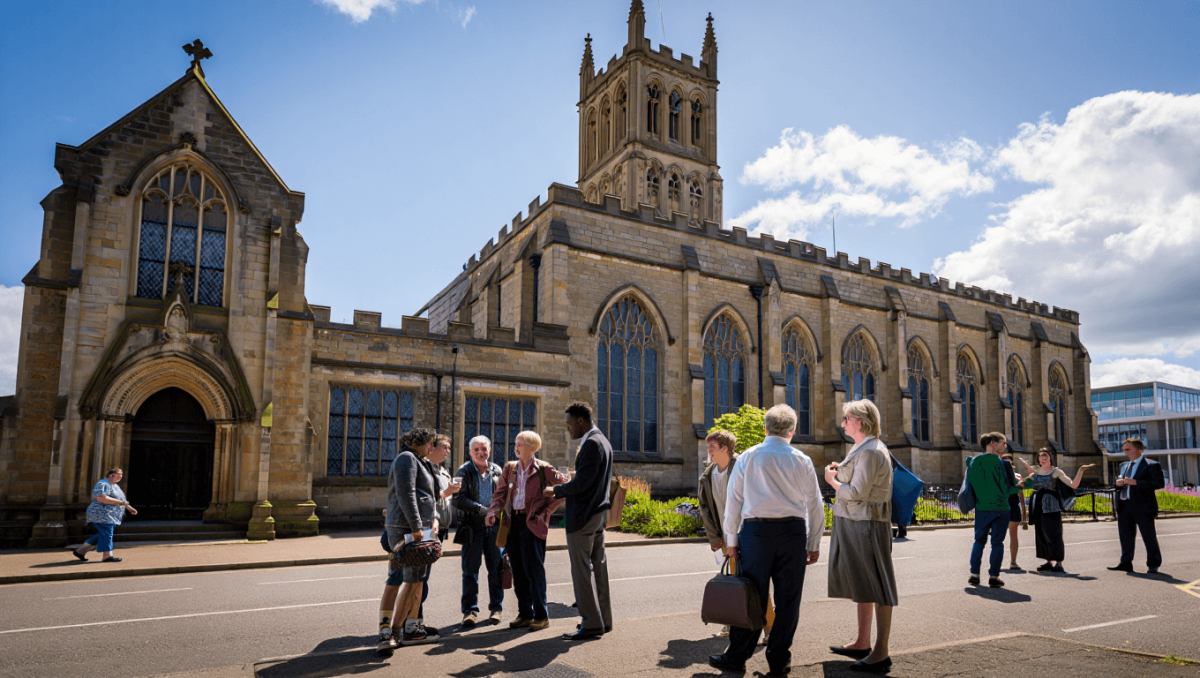
St. Gregory’s has unveiled a plan to repurpose several underused campus buildings into a mix of community facilities, housing and nonprofit space — a move church leaders say is intended to preserve the site while meeting pressing local needs. The proposal, released this week, aims to transform aging structures into active uses that could affect neighborhood housing, services and heritage preservation.
What the plan proposes
Under the proposal, the campus would shift from a largely institutional footprint to a multi‑purpose campus offering public amenities and year‑round uses. Church officials describe the approach as adaptive reuse: keeping the campus’s architectural character while changing how buildings are used.
Christa Pike released from hospital after failed execution, attorneys say
Dolly Parton tribute drives Madonna Inn crowds: steakhouse unveils limited menu
Key elements include converting dormitory-style buildings to affordable housing, creating a community meeting center, and leasing office space to local nonprofits. Several older buildings identified as historically significant would be stabilized and restored rather than demolished.
- New community center with multipurpose rooms for classes and events
- 50–70 units of affordable housing targeted at local workers and seniors
- Co-working and office space for nonprofits and small social enterprises
- Preservation work on the campus chapel and two landmark buildings
- Public green spaces and improved pedestrian access through the campus
Why this matters now
The timing reflects broader trends: rising housing costs in the region, pressure to maintain aging institutional buildings, and a growing appetite for projects that combine social services with heritage conservation. Converting underused religious campus buildings into mixed-community assets is increasingly common, and the outcome here could serve as a model for other congregations facing similar choices.
Funding, approvals and timeline
Church leaders say financing will combine private donations, grant applications for historic preservation, and potential tax-credit financing tied to the affordable housing component. The proposal will now enter permitting and public-review stages with local planning authorities.
| Phase | Major steps | Estimated time |
|---|---|---|
| Planning & community input | Design revisions, public meetings, zoning reviews | 3–6 months |
| Financing & approvals | Grant applications, tax-credit applications, building permits | 6–12 months |
| Construction & restoration | Stabilization of historic structures, adaptive reuse build-out | 12–24 months |
| Opening & operations | Tenant move-in, community programming begins | Dependent on funding |
Community reaction and potential impacts
Early responses have been mixed. Preservation advocates welcome the emphasis on retaining landmark buildings and restoring architectural features, while some neighbors are requesting more details on parking, traffic management and long‑term site maintenance. Local service providers have expressed interest in moving into the planned nonprofit spaces.
The project could yield tangible benefits: increased availability of modest-cost housing, new venues for community programs, and greater foot traffic that may support nearby businesses. At the same time, careful planning will be required to manage construction impacts and ensure the housing component remains affordable long term.
Next steps
St. Gregory’s will hold a public forum next month to present detailed designs and gather feedback. Planners expect formal permitting and funding applications to follow that process. Observers say the outcome will hinge on securing a mix of philanthropic support and public subsidies, plus municipal approvals for the housing proposals.
Whether the campus becomes a neighborhood anchor or stumbles over regulatory and financing hurdles, the proposal puts a public spotlight on how religious institutions can reimagine large properties for civic use. For residents, the stakes are immediate: new services and homes on one hand, and the need to preserve both community character and long-term affordability on the other.