Show summary Hide summary
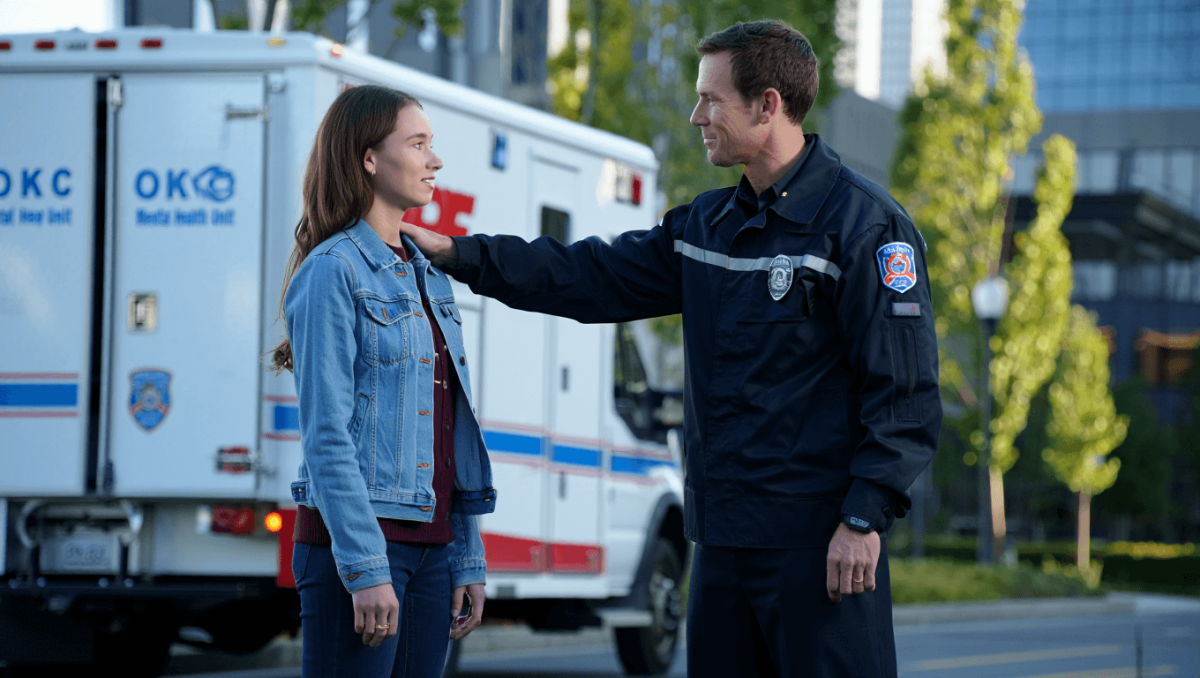
This week Oklahoma City marks the one-year anniversary of its dedicated mental health response unit — a team designed to answer nonviolent behavioral-health calls without routine police involvement. City leaders say the program aims to reshape urgent care for people in crisis and reduce strain on emergency and law-enforcement resources.
What the unit does and why it matters
Launched as an alternative to traditional police responses, the unit pairs licensed mental health professionals with medical personnel to handle 911-originated calls involving substance use, acute distress, suicidal ideation, or other behavioral-health emergencies that do not pose an immediate threat to public safety.
Christa Pike released from hospital after failed execution, attorneys say
Dolly Parton tribute drives Madonna Inn crowds: steakhouse unveils limited menu
Officials argue the model addresses two pressing problems: people in crisis often need mental-health care rather than arrest or emergency-room treatment, and first responders can be better deployed when a clinical team handles nonviolent situations.
- Dispatch triage — Calls are screened by 911 operators; incidents flagged as nonviolent are routed to the mental health response team.
- Team composition — Typical response teams include a crisis clinician and a medical responder; some shifts also deploy peer support specialists.
- On-scene goals — Stabilize the individual, assess risk, offer immediate medical or behavioral intervention, and connect people to follow-up care.
- alternatives to arrest — When appropriate, teams steer individuals toward treatment plans, connecting them with community providers instead of moving toward criminal charges.
- Follow-up — Case management or referral pathways are arranged to reduce repeat emergency calls.
Early impressions and community response
City spokespeople describe growing public awareness and demand. Community advocates have cautiously welcomed a program that emphasizes clinical care, though they stress sustained funding and accountability will be essential to long-term success.
Some residents who have used the service report a more calming experience when clinicians, not armed officers, arrive first. Mental health providers highlight the value of on-scene assessment and immediate linkage to outpatient services, which can prevent escalation and costly hospital stays.
Data, limits and accountability
Officials have said they are tracking call volumes, referral outcomes and whether the unit reduces the number of police responses and emergency-department transports. Those metrics will determine whether the program expands beyond current coverage hours and neighborhoods.
Experts caution that measuring success requires more than tallying calls. Outcome measures should include follow-up care engagement, reductions in repeat crises, and community trust. Privacy rules and interagency data-sharing barriers can complicate such evaluations, city staff acknowledge.
Obstacles and next steps
Staffing and sustainable funding top the list of challenges. Recruiting experienced clinicians willing to work unpredictable shifts, securing continuous training, and maintaining clear protocols for when a police presence is necessary are ongoing priorities.
Leaders say they are exploring partnerships with local hospitals, behavioral-health agencies and peer-support organizations to broaden services and ensure continuity for people after an initial crisis response.
Several U.S. cities have piloted similar models — some tracing inspiration to Eugene, Oregon’s longtime CAHOOTS program — and Oklahoma City officials say they are studying peer programs to refine dispatch rules and clinical practices.
Why this matters now
The unit’s first year comes amid rising attention to alternatives to policing for mental-health emergencies nationwide. For residents, the shift promises quicker, more specialized care for vulnerable people; for municipal budgets, the potential to reduce costly emergency and law-enforcement interventions.
As the city reviews its first-year experience, the stakes are practical: whether the initiative becomes a lasting part of the public-safety and health landscape depends on demonstrable outcomes, stable investment and community confidence.