Show summary Hide summary
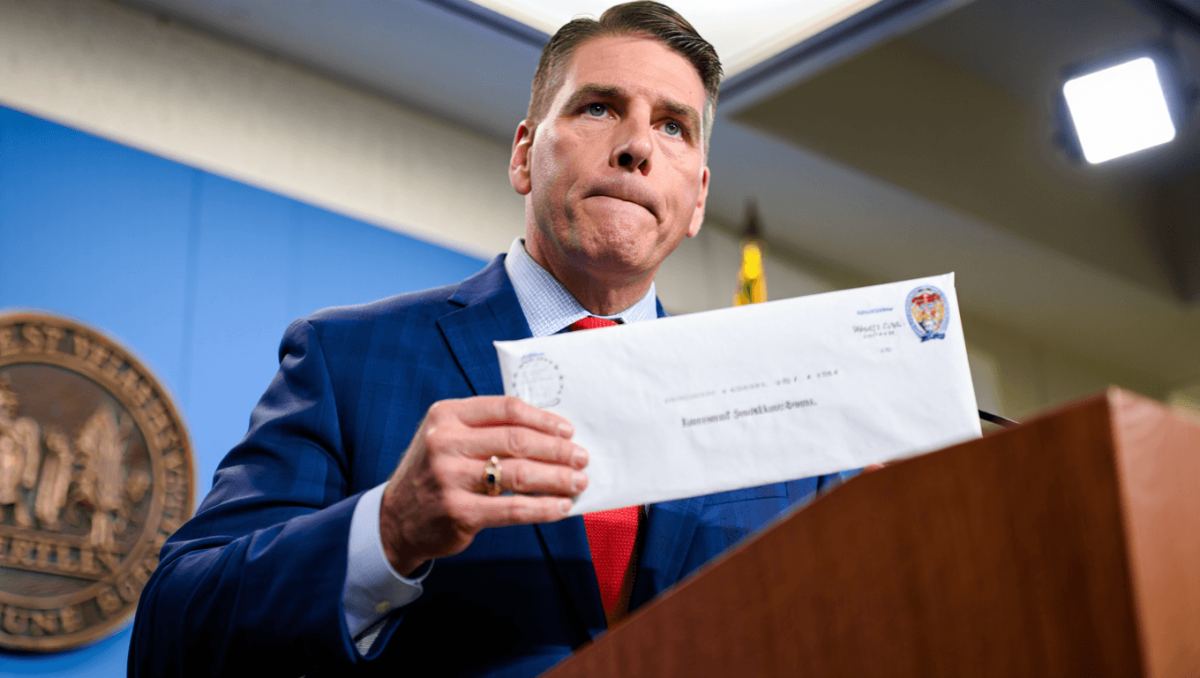
Oklahoma House leader Jon Echols has returned a campaign contribution linked to a donor mentioned in a recent grand jury report, his campaign confirmed. The move arrives as lawmakers face growing scrutiny over ties to individuals whose conduct has drawn official investigation.
Refund follows publication of grand jury findings
Echols’ campaign said the contribution was refunded shortly after the grand jury document was made public. The report, which names or references several private citizens and business interests, prompted immediate reactions across the state political scene as elected officials evaluated whether to keep or return donations tied to those individuals.
Christa Pike released from hospital after failed execution, attorneys say
Dolly Parton tribute drives Madonna Inn crowds: steakhouse unveils limited menu
This is the latest instance in which a sitting lawmaker has sought to distance themselves from a donor after investigative findings raised questions about that donor’s business dealings. While the refund does not equate to an admission of wrongdoing by either party, it signals sensitivity to public perception and ethical concerns.
What this means politically
For Echols, returning the money reduces short-term pressure but does not close the matter. Political opponents and watchdog groups are likely to press for greater transparency about the lawmaker’s donor history and any past interactions with parties named in the report.
- Transparency risk: The refund increases attention on disclosure practices and may prompt additional records requests.
- Campaign optics: Returning funds is a common defensive step intended to limit reputational damage.
- Legal distinction: A grand jury report can raise questions without producing criminal charges; refunded donations do not imply legal liability.
- Voter impact: Constituents often weigh these developments when considering trust and integrity in elected officials.
Broader context and next steps
State lawmakers frequently rely on a mix of small and large donors; when one donor becomes the subject of an investigation, choices about contributions become politically charged. Campaign finance experts say returning a contribution is a pragmatic move, but it rarely ends scrutiny—especially if the refunded amount represents repeated or large-scale support.
Observers will watch whether Echols or other officials named in the report take further steps, such as releasing a fuller list of donors, adopting stricter vetting practices, or calling for an independent review. For now, the refund is a clear signal that the grand jury’s findings are reshaping the political conversation in the state.
Why this matters now: As grand jury documents reach the public, elected officials must decide how to respond quickly to preserve public trust. The choices they make in the coming days could influence legislative priorities, campaign strategies, and voter sentiment ahead of the next election cycle.