Show summary Hide summary
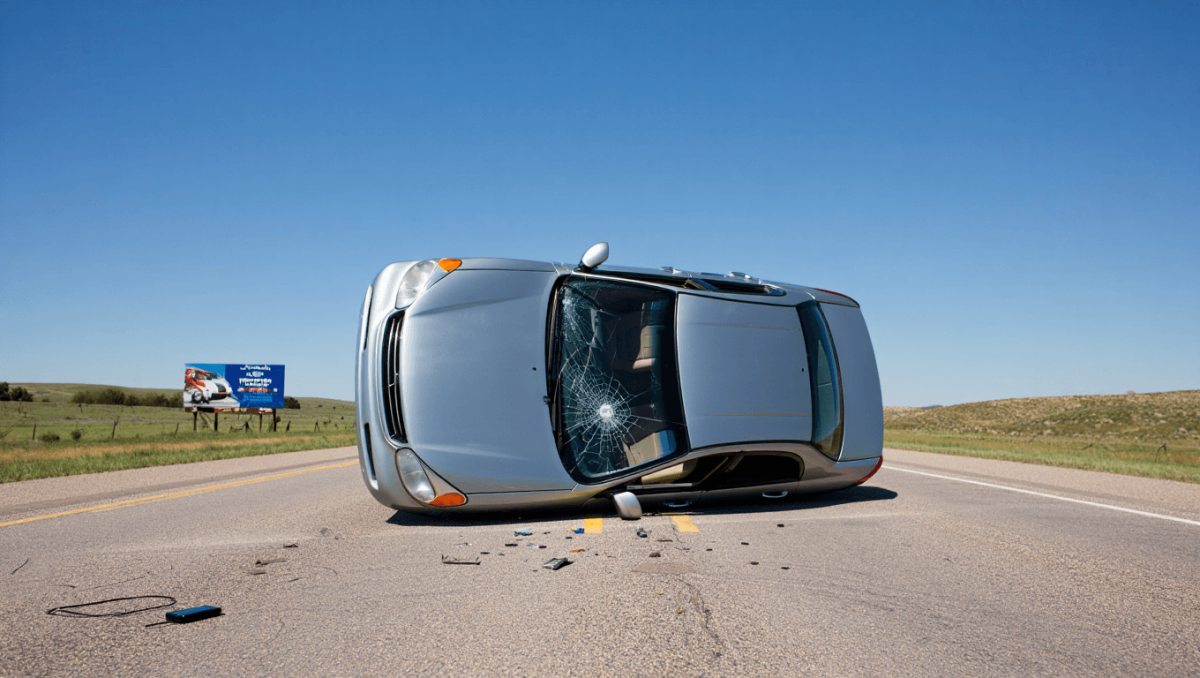
A new analysis released this month places Oklahoma among the top 10 states for deaths tied to distracted driving, a finding that underscores growing safety concerns on the state’s roads. The ranking — produced by cell phone carrier comparison site WhistleOut using federal crash data — highlights a risk many drivers still underestimate.
“I thought we’d be a lot higher, unfortunately,” said MSgt. Eric Kirby, reacting to the report’s findings. Local law enforcement officers and traffic investigators tell reporters they are seeing the same patterns on Oklahoma highways: moments of inattention with often deadly consequences.
What the report measured
Christa Pike released from hospital after failed execution, attorneys say
Dolly Parton tribute drives Madonna Inn crowds: steakhouse unveils limited menu
The WhistleOut study draws on figures from the NHTSA, focusing on traffic fatalities where distraction was listed as a factor. Being ranked 10th means Oklahoma appears in the upper tier of states with fatal crashes linked to driver distraction — a category that includes texting, handling devices, and other behaviors that take attention away from the road.
Distracted driving is typically broken into three types: manual (hands off the wheel), visual (eyes off the road) and cognitive (mind off driving). Any combination can sharply reduce a driver’s ability to respond to sudden hazards.
Why this matters now
The numbers matter because small lapses can produce irreversible outcomes. Even at low speeds, a second or two diverted toward a phone or another task can be the difference between a near miss and a fatal crash. For families, rescuers and first responders, the human cost is immediate; for policymakers and public safety officials it raises questions about prevention and enforcement.
Traffic safety advocates say the ranking should prompt renewed emphasis on education and on technological or legislative tools that reduce in-vehicle distractions. For drivers, the practical takeaway is straightforward: the risk is real and growing.
Steps drivers and communities can take
- Use a phone’s built-in Do Not Disturb driving mode or similar features to limit notifications while behind the wheel.
- Plan routes and set navigation before starting the trip; designate a passenger to handle calls or messages if possible.
- Law enforcement recommends pulling over safely before interacting with a device rather than stopping on the shoulder or in dangerous locations.
- Communities can invest in public education campaigns and partner with employers and schools to reinforce safe driving habits.
Enforcement and policy context
Authorities across the country use a mix of public campaigns, targeted enforcement and laws that limit phone use for certain drivers. Officials say enforcement is challenging because proving distraction after a crash often relies on witness accounts, device records or in-car footage — evidence not always available.
Local traffic leaders are urging drivers to treat distraction as an avoidable, controllable risk. “Many of these crashes are preventable,” one investigator told reporters, emphasizing that small changes in behavior can yield big safety returns.
Being ranked among the deadliest states for distraction-related fatalities puts Oklahoma’s road safety strategies under scrutiny. Whether through stricter rules, better enforcement, or broader behavior change, the report renews focus on how to reduce preventable deaths on the road.