Show summary Hide summary
Name, Image and Likeness deals have unlocked new income for amateur athletes — but recent reporting and interviews show the same policy is exposing young players to predatory deals and poor advice. With fresh data and growing industry concern, families and prospects now face complex legal and financial choices often before they finish high school.
The numbers that matter
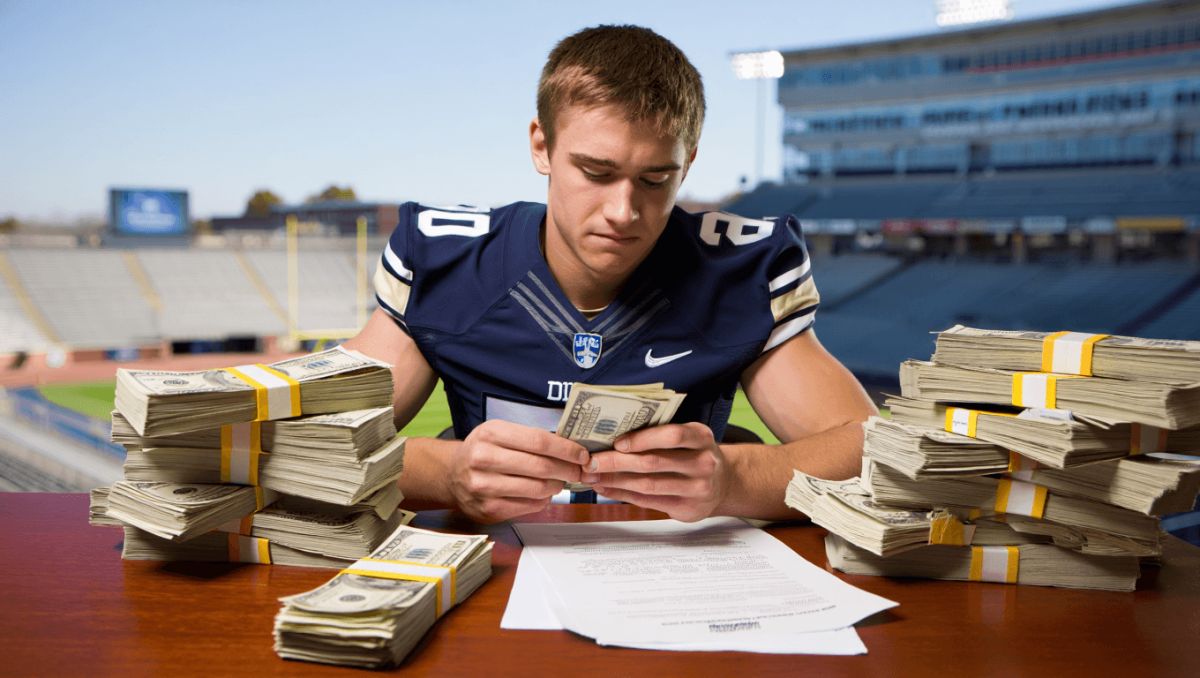
New analysis cited by ESPN has begun to quantify what coaches, agents and families have reported anecdotally: a meaningful share of college athletes received NIL help while still in high school — and many surrendered large slices of future earnings to intermediaries.
- 18% of surveyed college athletes said they had someone help them secure NIL deals while they were in high school.
- 67% of those athletes handed that helper a percentage of the revenue.
- The median cut taken was roughly 20%, a level far above typical professional-agent commissions.
Christa Pike released from hospital after failed execution, attorneys say
Dolly Parton tribute drives Madonna Inn crowds: steakhouse unveils limited menu
Those figures stand out because they contrast with regulated markets: certified agents in pro sports usually work on roughly 3–5% and operate under registration and oversight. NIL, by contrast, has no uniform licensing system, which leaves room for high fees and uneven service.
How exploitation happens
The pattern is familiar to industry veterans: well-meaning family friends, trainers or local coaches — and in some cases unregistered intermediaries often called street agents — step in to monetize a player’s moment. The relationships can blur the line between mentorship and business, making it hard for young athletes to evaluate whether a deal is in their long-term interest.
That dynamic shows up in recruiting and the transfer portal. When immediate money becomes the primary driver, advisers and families can steer players toward short-term payouts instead of situations that maximize development and long-term prospects.
Voices from the industry
Tim Younger, a veteran NFL agent and attorney who has represented high-profile quarterbacks, says NIL hasn’t invented the problem — it’s exposed gaps that already existed. He warns that many intermediaries focus on immediate dollar figures and ignore academic fit, player development and long-term opportunity.
A WME-affiliated agent working in college basketball described the ecosystem as uneven: relationships and representation vary widely, and anyone charging more than 10% is often taking an outsized share. He also stressed that while not every adviser is problematic, the market’s rapid evolution has left families with little guidance on compliance, legal structure and strategy.
At the grassroots level, pressure multiplies
For players from economically vulnerable backgrounds, the stakes are especially acute. A one-time NIL payment can translate to immediate family relief, which creates intense pressure to accept offers that look good in the short term.
That pressure interacts with crowded local networks — AAU coaches, trainers, parents — and can dilute a player’s leverage and clarity. When emotion and money mix, objective decision-making suffers.
Where responsibility falls
The industry insiders interviewed emphasized a shared duty: advisers must be transparent and competent, but athletes and families also need to ask questions and understand the long-term implications of deals.
“Agents work for the talent,” one agent said, while also noting that some players rely on representation to avoid difficult conversations. The result can be incomplete information about fit, development and the athlete’s future earnings potential.
What could change next
Several paths forward are emerging in conversations across the sector:
- Stronger state-level registration and oversight for those brokering deals;
- Industry norms that push commissions closer to pro standards as the market matures;
- Education efforts aimed at high schools, families and young athletes so they can evaluate offers and representation.
Market forces may reduce excessive commission rates over time, but that adjustment will take continued scrutiny and better information for athletes and their support networks.
The bottom line
NIL has created real and lasting opportunity, but it has also amplified an information gap. Today the difference between a beneficial deal and an exploitative one often comes down to who advises the athlete, what they charge, and whether decisions are being made with a multi-year view.
If the next phase of NIL emphasizes education, transparency and appropriate oversight, the benefits can be preserved while limiting the harms. Without that, too many young athletes will continue to make high-stakes choices without the guidance needed to protect their future.