Show summary Hide summary
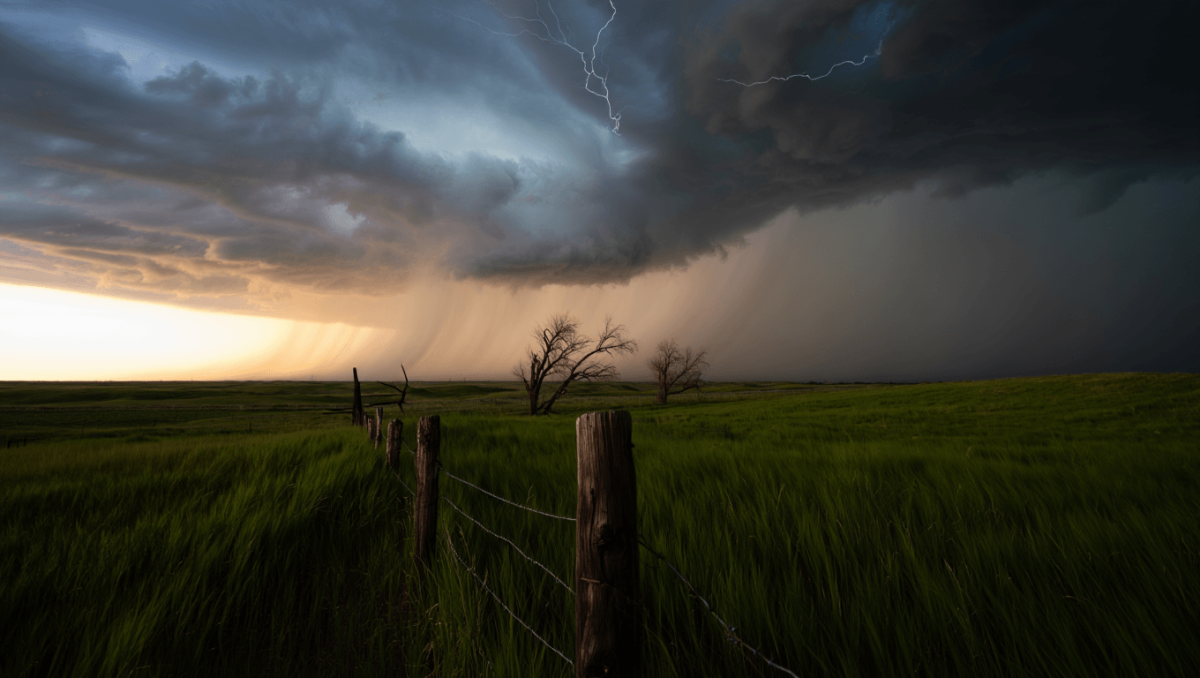
The forecast for this Mother’s Day weekend has shifted: a cold front expected Friday afternoon could trigger pockets of severe weather that would disrupt outdoor plans across parts of Oklahoma and neighboring states. Mustang meteorologist Jon Slater says the main threats are hail and damaging winds, while the likelihood of tornadoes remains comparatively low.
Timing and intensity are still being refined, but the immediate takeaway for families and event planners is clear: monitor updates and be prepared for sudden storms late Friday into the holiday weekend.
What to expect
Forecasters are watching a fast-moving frontal system that should arrive Friday afternoon. Storms could develop along and ahead of the front, with the most pronounced impacts occurring during the late afternoon and evening hours.
Christa Pike released from hospital after failed execution, attorneys say
Dolly Parton tribute drives Madonna Inn crowds: steakhouse unveils limited menu
While a widespread severe outbreak is not predicted at this stage, isolated cells capable of producing hail and strong winds are possible. The overall tornado threat is assessed as low, according to Mustang’s forecast discussion.
| When | Main hazards | Forecast confidence |
|---|---|---|
| Friday afternoon–evening | Hail, damaging winds, heavy rain | Moderate — timing and location could shift |
| Late weekend | Lingering showers; cooler temperatures | Lower — dependent on secondary frontal timing |
Behind the initial front, models hint at a secondary surge that may bring additional showers and a noticeable drop in temperatures across the region later in the weekend. That second feature could reshape travel and outdoor plans, though details remain uncertain.
Why this matters now
Mother’s Day is traditionally a busy period for outdoor dining, ceremonies and family gatherings. Even isolated severe storms can cause local power outages, road hazards from downed limbs, and damage to vehicles or property from hail. Timing matters: storms arriving in the late afternoon could intersect with peak travel and event times.
Local emergency services and meteorologists underscore that forecasts can change rapidly. The difference between a scattered afternoon shower and a localized severe cell may depend on subtle temperature and humidity shifts in the hours before the front arrives.
For the most current conditions, rely on trusted local forecasts and official weather alerts. Mustang’s weather team will continue to update timing, threat locations, and potential impacts as new observations and model runs arrive.