Show summary Hide summary
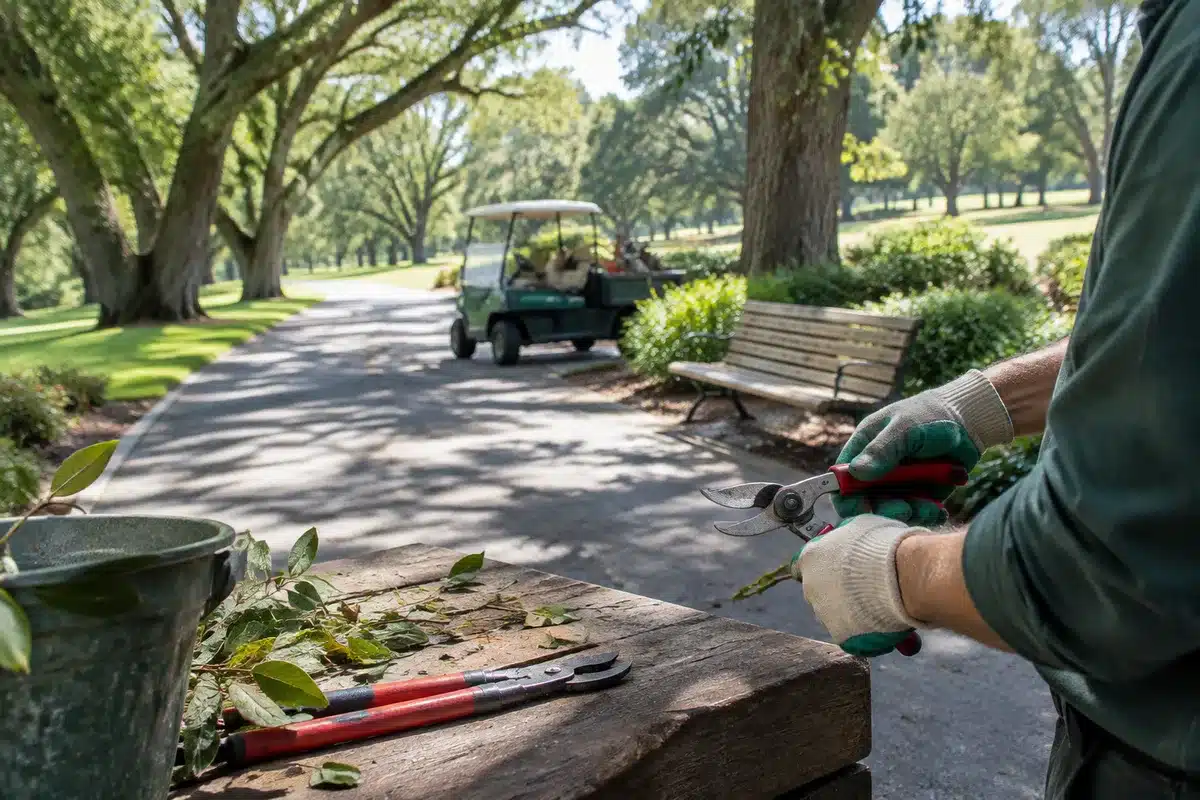
One arborist, a golf cart and nearly 2,500 trees: that’s the scale of the task at Scissortail Park in downtown Oklahoma City, where a single horticulture specialist manages a living collection that is reshaping the city’s downtown climate and public life. The work matters now because the trees are finally maturing into the shade-providers the park’s designers intended — and the choices made today will define the park’s next decades.
From across the globe to the heart of OKC
Sam Grimmett, the park’s lone certified arborist, did not grow up planning to tend an urban arboretum in Oklahoma. He moved to the U.S. from New Zealand more than two decades ago and after years as a commercial climber switched to municipal work following a serious illness.
VeloCity October 2026: major changes and what they mean for riders today
Brent Swadley sentencing: attorney general seeks 10-year prison term
Grimmett’s experience includes canopy work across the metro and care for high-profile local trees. At Scissortail he supervises nearly 2,500 specimens spread over about 85 acres — which, by his calculations, allows him under an hour of direct attention per tree each year.
That math forces decision-making: routine, repeated tasks for many trees, and targeted interventions for the ones that most need help. Over time he aims to put most mature trees on roughly a four-year maintenance rotation for pruning, soil improvements and treatments.
Solving urban soil and water problems
Planting thousands of trees is one thing; coaxing them to thrive on remediated city land is another. Grimmett quickly found the park’s early struggles were rooted in the soil and irrigation rather than the trees themselves.

High soil pH and compaction made iron unavailable to many young trees, leaving them pale and stunted in the park’s first seasons. After introducing a program of targeted soil injections with a fertilizer that unlocks iron, the results were noticeable the following growing season: much healthier foliage and a several-fold increase in annual growth for affected trees.
Grimmett continues to troubleshoot year-to-year — from managing nitrogen-driven leggy growth to treating pests such as bagworms — but says losses have stayed within expected ranges for a landscape of Scissortail’s size, and that the park’s trees are now settling into steady growth.
| Species (examples) | Typical lifespan | Planned maintenance frequency | Common early-care issues |
|---|---|---|---|
| Oklahoma redbud | ~25 years | Trim/inspect every 3–4 years | Transplant stress, slow initial top growth |
| Live oak | Centuries | Prune and soil care every 4 years | Compaction, water management |
| American elm | Fast-growing, variable | Frequent early inspections | Pests, structural pruning needs |
| Blackjack oak | Slow and conservative growth | Minimal intervention; monitor | Establishment lag, drought tolerance |
Every tree tells a story
A fallen trunk at Lower Scissortail has become an unintended bench, a reminder that not every planting will survive but that deadwood still serves the park and its visitors. Grimmett recalls discovering interior rot in some specimens during routine work and making the hard call to remove those trees for safety.
Among the park’s notable features is a propagated copy of the Oklahoma City National Memorial’s famous Survivor Tree. That clone is managed carefully and kept largely untouched because it is designated as the living replacement should the original ever be lost.
Grimmett’s rounds are studded with small, practical decisions: applying a growth regulator to a tree getting too much nitrogen, treating the occasional insect outbreak, and experimenting with floating plant islands built from coconut husk and compost. The horticulture team also maintains pollinator-friendly areas and has participated in monarch tagging, showing how the park’s mission extends beyond trees to overall urban biodiversity.
- Shade development: As canopies merge, the park’s microclimate will cool and understory plant choices will need to change.
- Human benefits: Cooler surfaces and more comfortable public spaces during summer heat waves.
- Biodiversity: Trees support butterflies, birds and aquatic life integral to the park’s ecological design.
What the next decade will look like
From vantage points like Overlook Hill, the park still reads as young — but that will not be the case forever. Grimmett expects large swaths to reach deep shade within 15 to 20 years as crowns join together and form a continuous canopy.
That shift will have practical consequences. Lawns currently dominated by sun-loving Bermuda will give way in the shadiest patches to species that tolerate lower light. Flower beds and maintenance plans must adapt to a changing light regime. And strategically placed trees or shade structures may be added where extreme surface temperatures pose safety or comfort concerns — for example, in playground areas where synthetic surfacing can reach hazardous heat levels.
For park users the most immediate change is already visible: people choosing spots under trees to read, eat or rest. For the arborist, that daily scene is confirmation that the long, incremental work is paying off.
“My goal is simple,” Grimmett says: provide shade and a living place for people and wildlife to enjoy. In time, he wants families to sit beneath the very trees he helped establish, cooling off and watching birds and fish — a small urban forest given back to the community.