Show summary Hide summary
October’s designation as Manufacturing Month puts a spotlight on a sector that still anchors Greater Oklahoma City’s economy: thousands of jobs, billions in output and fresh capital moving into the region. The question for residents and local leaders is simple — how will this momentum shape jobs, wages and community investment in the months ahead?
Size and impact
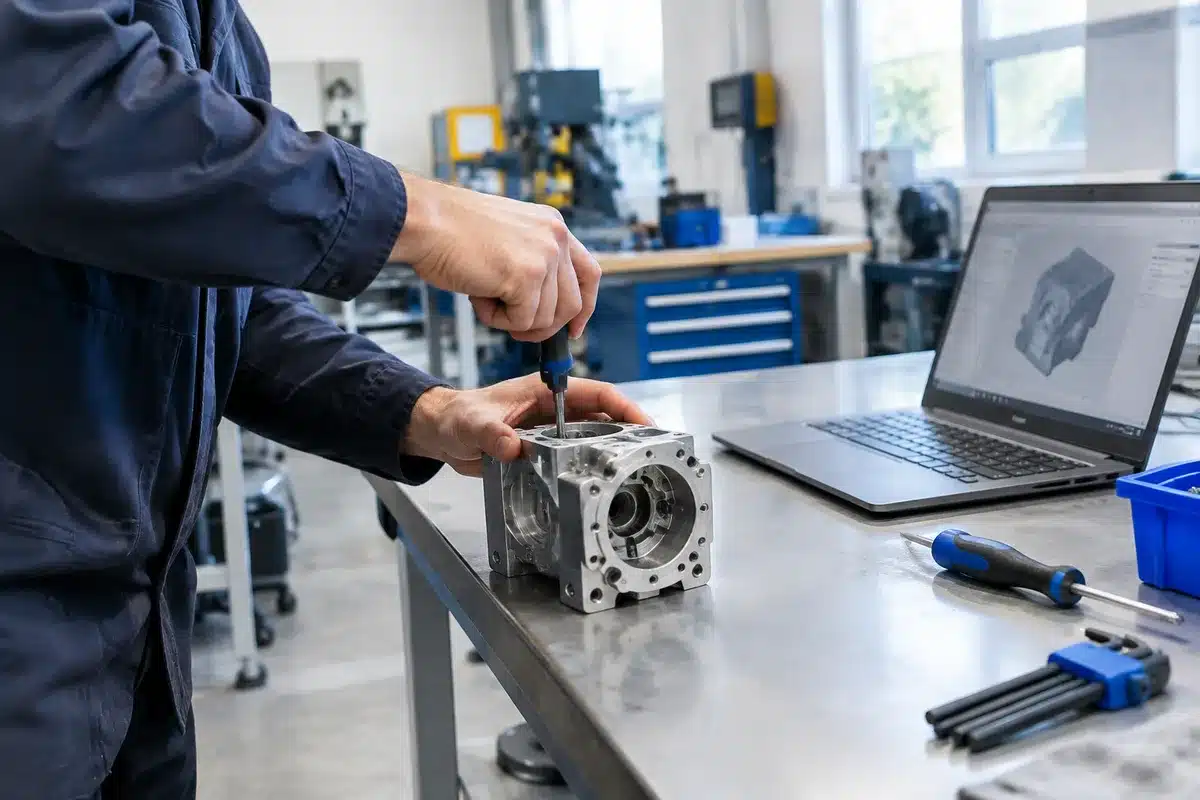
Manufacturing remains a major employer across the metro area, with nearly 42,000 people working in factories, plants and production facilities. Those positions command an average annual wage in the low seven figures per worker, reflecting a sector that pays above many other local industries.
Manufacturing boom fuels jobs and investment in Greater Oklahoma City
Execution video could fuel terrorist recruitment: Johnson warns
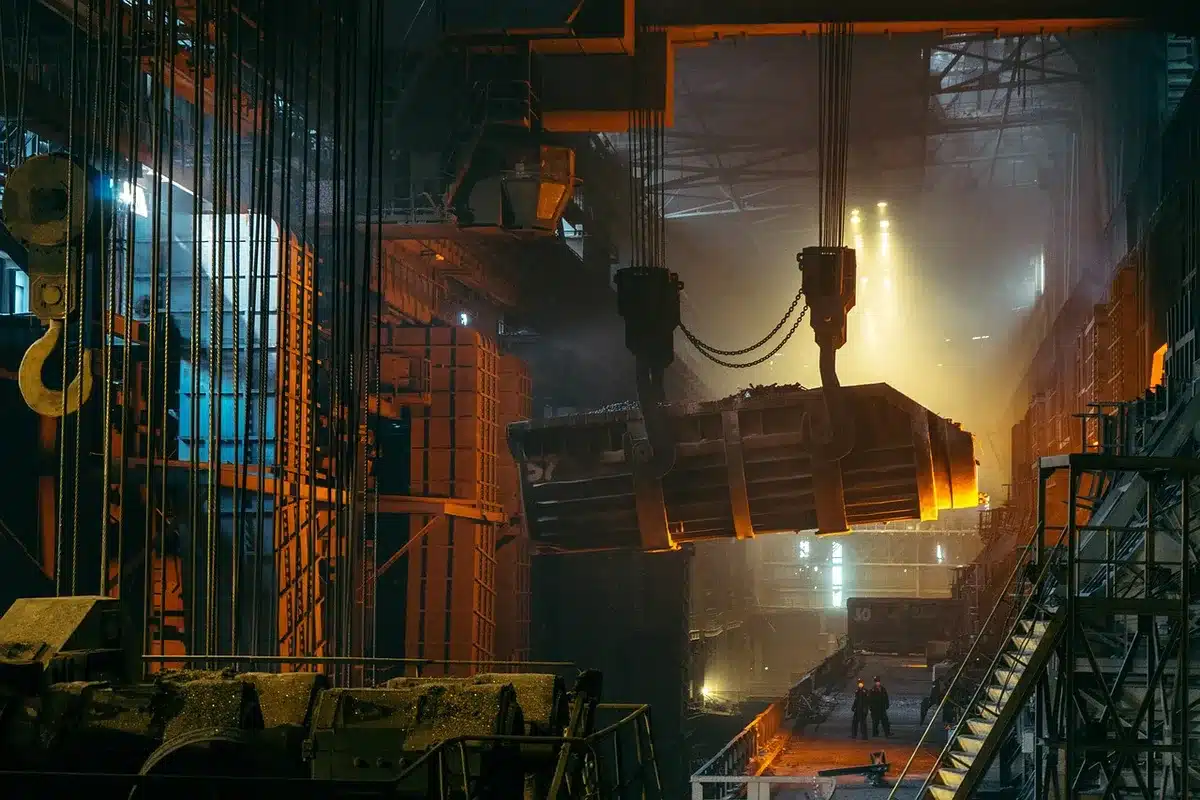
Overall, manufacturers contribute roughly $6.9 billion to the region’s economy, a mix of long-established sectors — metals, machinery and building materials — and growth areas such as food processing and medical device production. That breadth helps buffer the local economy against shocks concentrated in any single market.
- Employment: ~42,000 manufacturing workers in Greater Oklahoma City
- Average annual wage: about $70,821
- Economic output: roughly $6.9 billion
- Recent capital announced: nearly $900 million invested January–August
- Project focus: 70% of active economic development projects are manufacturing; ~50% of those involve aerospace and defense
- Incentives noted: Business Expansion Incentive Program and Foreign Trade Zone #106
Where the money is going
Through the first eight months of the year, local and new-to-market companies disclosed close to $900 million in planned capital spending. That activity reflects both expansions by existing firms and new operations choosing the region for their footprint.
Several practical advantages are driving those decisions: relatively low operating costs, available industrial real estate and an expanding labor pool with relevant technical skills. For economic development officials, those factors make Greater Oklahoma City competitive when pitching projects and winning commitments.
Industry focus and broader implications
Notably, a large share of current projects ties to defense and aerospace supply chains. That concentration carries consequences beyond immediate job creation — it can attract supplier networks, specialized training programs and longer-term federal contracting opportunities.
But reliance on aerospace and defense also underscores the need for diversification within manufacturing. Regional resilience improves when growth spreads across food production, medical devices, construction materials and other subsectors.
Workforce: the critical constraint
The industry’s growth trajectories hinge on people. Employers report rising demand for technicians, machinists, quality-control specialists and workers familiar with automation and advanced manufacturing tools.

Meeting that demand requires sustained investment in training, retention and career awareness. Schools, community colleges and employers are increasingly aligning curricula with industry needs, but scaling those pipelines remains a top challenge for the coming years.
Programs that reduce operating frictions—tax incentives, trade zone benefits and targeted workforce grants—help companies expand locally rather than relocate. Local leaders say these tools are prompting more firms to apply or re-evaluate Greater Oklahoma City as a viable base.
What Manufacturing Month signals
Observing Manufacturing Month is more than ceremonial: it’s a reminder of concrete stakes. For workers, it means job openings and wage potential. For local policymakers and planners, it points to priorities—workforce development, site readiness and maintaining competitive incentives.
If recent investment announcements hold and workforce initiatives gain traction, the region could see steady manufacturing-led growth. That outcome will depend on coordinating training, infrastructure and business support so companies can scale without unnecessary friction.
Recognizing the people behind production—shop-floor employees, technicians and plant managers—matters, but so does continued attention to the systemic work that enables firms to invest and hire. Manufacturing Month offers a timely moment to evaluate progress and close gaps before the next wave of opportunities arrives.