Show summary Hide summary
Oklahoma City has quietly built the infrastructure and partnerships that will put it on the Olympic map in 2028—hosting the softball and slalom paddle events for Los Angeles—after decades of local sports investment and riverfront redevelopment. City leaders say the real challenge now is turning those long-term projects into a smooth, visible experience for athletes, visitors and residents when the Games arrive.
The conversation took place at Oklahoma City University, where Mayor David Holt moderated a panel featuring officials who helped shape the city’s sports profile: Craig Cress of USA Softball, RIVERSPORT founder Mike Knopp and Michael Byrnes, president of Team OKC, the local organizing committee for the Olympic competitions. Panelists traced a history that connects grassroots programs, civic planning and major civic investments to the opportunity arriving in 2028.
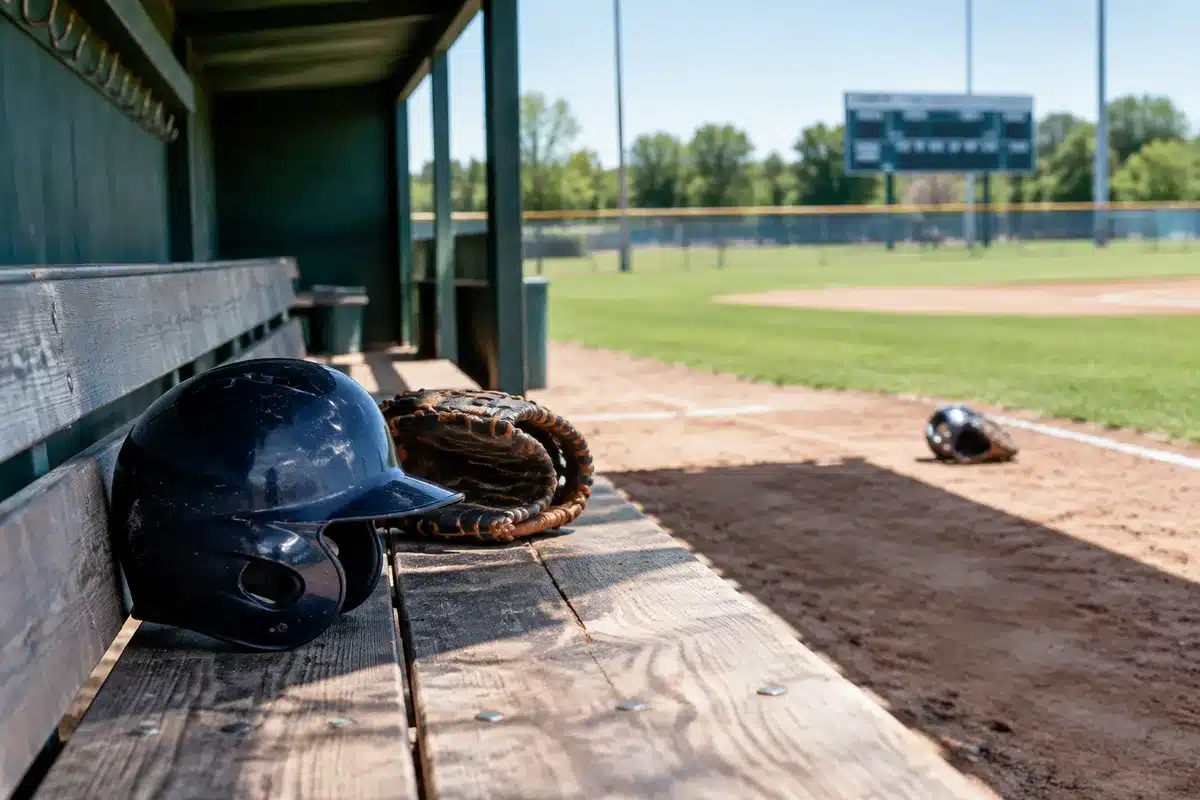
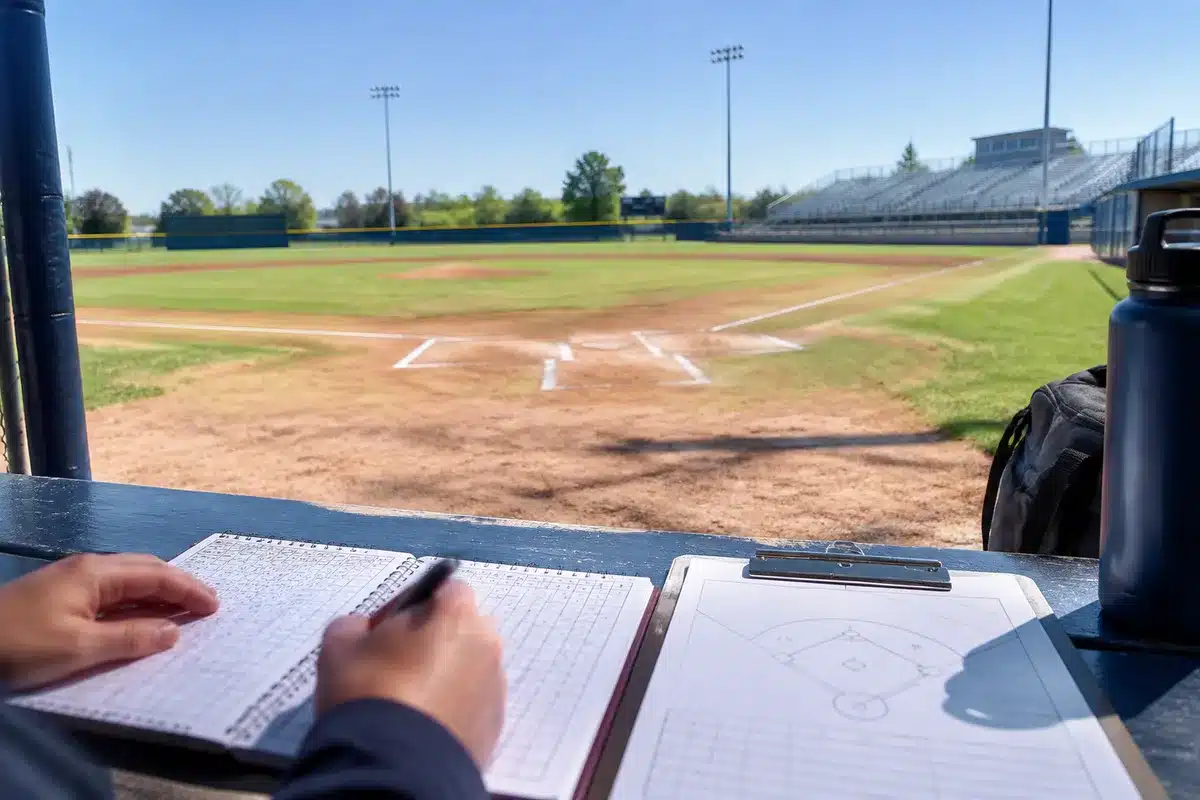
Oklahoma City’s softball credentials began building decades ago when the national governing body relocated to the city and local leaders pursued a consistent NCAA partnership. That steady focus produced purpose-built facilities and a roster of annual events that made the city a logical host for Olympic softball.
Christa Pike released from hospital after failed execution, attorneys say
Dolly Parton tribute drives Madonna Inn crowds: steakhouse unveils limited menu
Water sports took a different route. A rowing program that started at Lake Overholser and a post-1996 impulse to expand aquatic competition led planners to reimagine the Oklahoma River. What was once an unlikely idea—a whitewater course in the heart of Oklahoma City—became a central piece of the riverfront redevelopment plan and a venue for international paddling events.
From local programs to Olympic-ready venues
The progress did not happen overnight. Public initiatives and civic funding packages, including MAPS 3, financed facilities that now meet international standards. The whitewater course opened in 2016 and RIVERSPORT worked to host international competitions, building relationships with the sport’s governing bodies as part of a longer strategy to attract marquee events.

Team OKC has been established to coordinate the city’s operational responsibilities with LA28 and state and local partners. Its scope covers competition logistics, transportation, safety, lodging and the athlete experience—efforts that need to align with Los Angeles’ expectations while reflecting Oklahoma City’s local strengths.
- Competition venues: Maintain and operate softball and slalom sites to international standards.
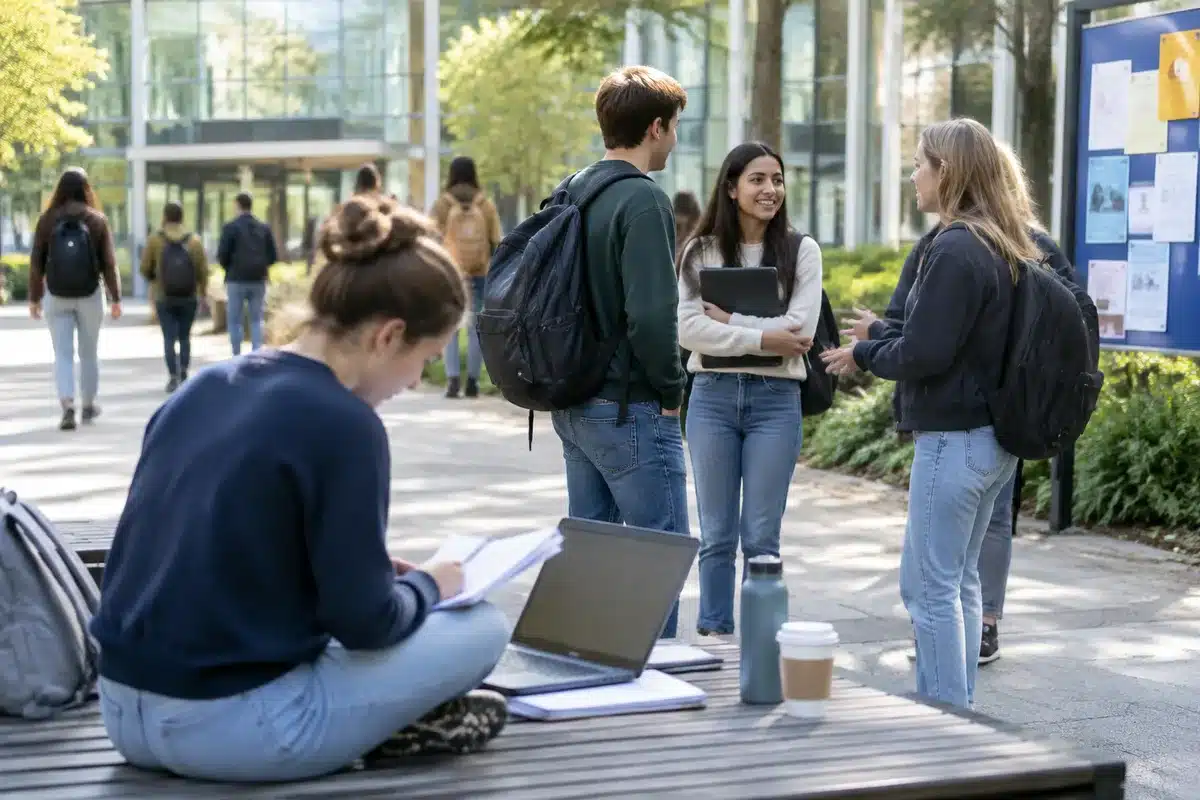
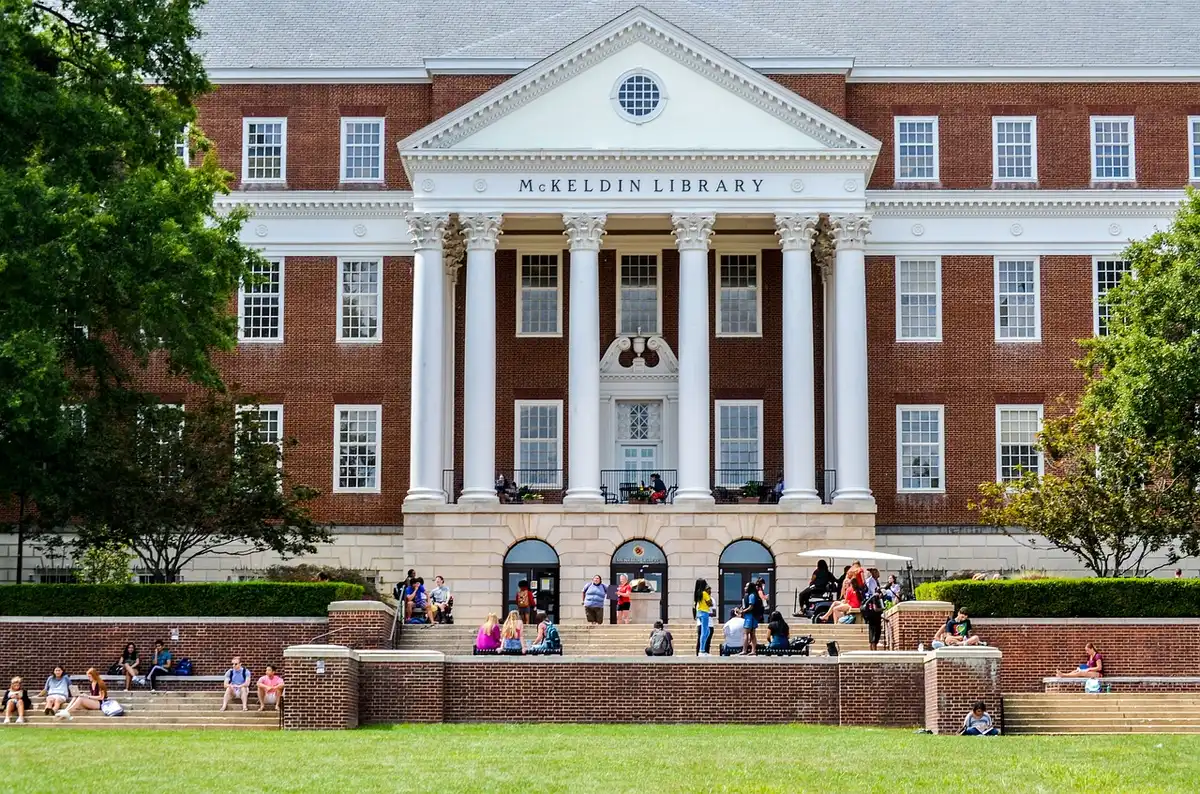
- Accommodations: Oklahoma City University selected to function as the athlete village for its proximity and campus layout.
- Transport and security: Coordinate routes, staging areas and public safety in collaboration with regional agencies.
- Community engagement: Plan public programming—watch parties, arts events and neighborhood activities—to involve residents beyond ticketed spectators.
Officials emphasize that the athlete experience is a priority. LA28 sought parity between athletes staying outside Los Angeles and those on campus in Los Angeles, which helped shape the decision to use Oklahoma City University as a local village. Organizers want visiting competitors to have accommodations and access that reflect the prestige of Olympic participation.
What the Games could leave behind
Beyond the two-week competition window—16 consecutive days across the two sports—city leaders are focused on legacy. Hosting Olympic events is being framed as a chance to raise Oklahoma City’s profile among tourists, prospective residents and investors, and to bolster the city’s reputation for staging major sporting events.
Panelists suggested the exposure from 2028 could lead to more opportunities: additional NCAA championships, more international federations considering Oklahoma City for global events, and a stronger national brand for the city’s riverfront and sporting venues.
| Year | Milestone |
|---|---|
| Late 1960s | National softball organization relocates to Oklahoma City |
| 1990 | City begins hosting NCAA Women’s College World Series |
| 1996 | Post-Atlanta inspiration sparks rowing and river planning |
| 2016 | Whitewater course opens as part of Oklahoma River redevelopment |
| 2028 | Oklahoma City hosts softball and slalom paddle for the Los Angeles Games |
Leaders stress that while much of the athletic infrastructure was already in place, the operational work—security planning, transport coordination, community programming and delivering a polished athlete experience—has to be executed on a tighter timeline. They also say planning must ensure that the benefits of hosting outlast the Olympic fortnight.
As preparations accelerate, the city’s broader aim is clear: convert years of local projects into a demonstrable capability to host world-class competitions and use the Games as a springboard for future events and economic attention. For Oklahoma City, 2028 is not a finish line but the next stage in a long-term civic strategy.